Water conservation and reuse initiatives at CNH plants in Latin America, resulted in savings of 206,400 m³ of water used in industrial processes between 2018 and 2025. This is the equivalent of daily water use of approximately 822,000 people, based on an average of 250 liters per person.

“In practice, this figure means less water withdrawal from rivers and aquifers, less pressure on public water supply systems, and greater resilience during periods of water scarcity. In a scenario where water is becoming increasingly strategic for communities and for industry itself, reuse is a fundamental decision,” emphasized Fabio Belasco, CNH’s EHS Manager in Latin America.

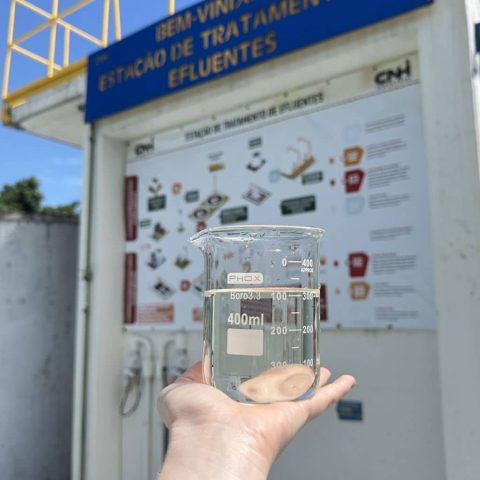
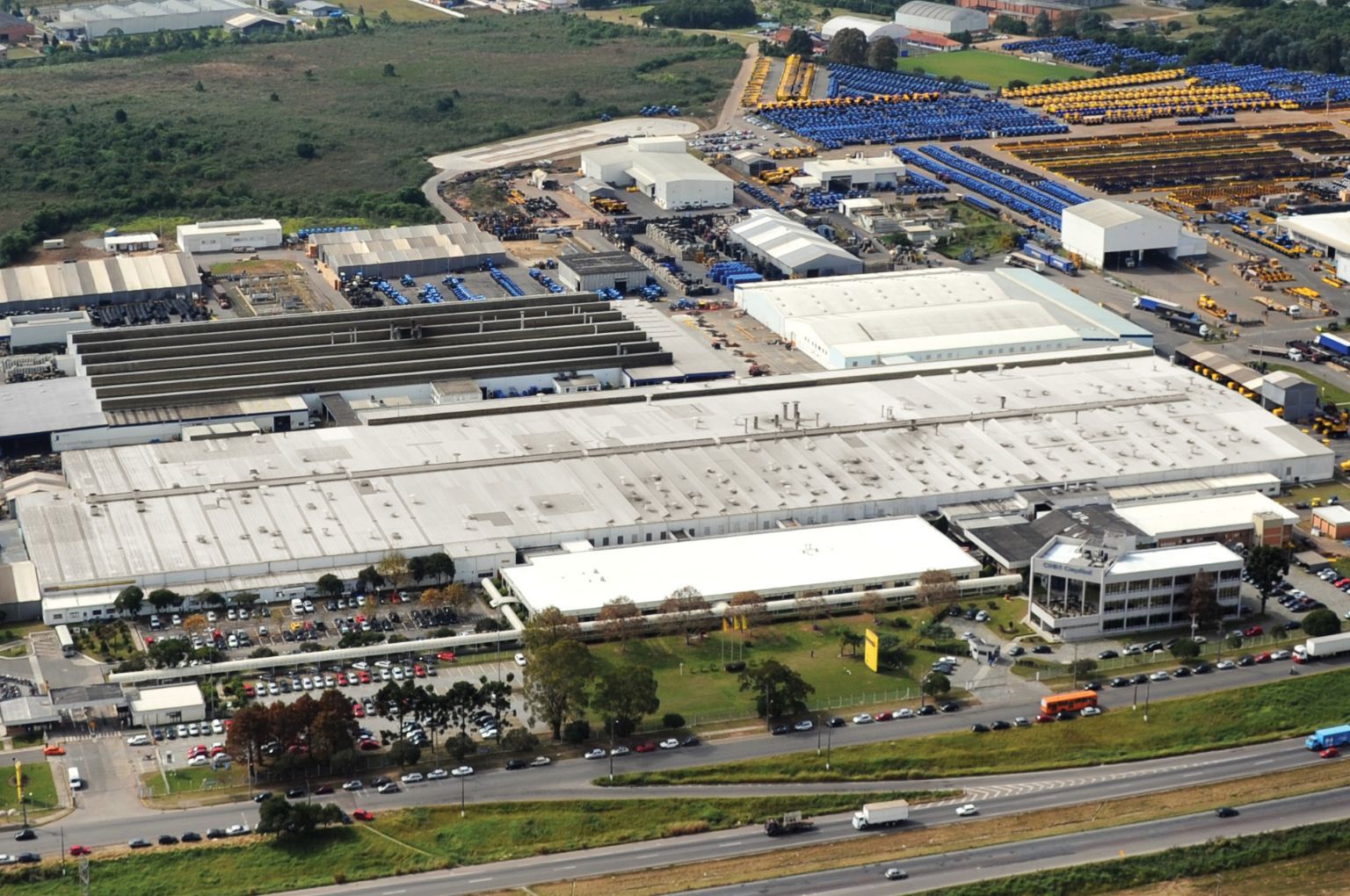
Among the projects implemented to ensure a more efficient use of water is the installation of a reverse osmosis system at the Curitiba plant in Brazil, a system that has enabled the supply of reclaimed water to industrial compressors. The system has reduced the consumption of 800 m³ of potable water in just four months. It also enabled the system to achieve 70% reuse of water and reducing the plant’s potable water consumption by 10%.

At the Contagem Unit, 40 telemetry points were installed at the factory and the Logistics Center, enabling real-time monitoring of water use and immediate action in cases of irregular usage. The measure already represents an estimated reduction of 1,000 m³ per month in water consumption, in addition to financial gains resulting from increased operational efficiency. The plant also implemented a system for using treated water in activities such as floor cleaning and supplying the flotation tank. The initiative reduces dependence on potable water and increases the reuse rate in industrial processes.

Simple yet high-impact solutions

The installation of water-reuse faucets in operational areas and at the Wastewater Treatment Plant eliminated the use of potable water for non-essential activities, reducing consumption by up to 25 m³ per month in certain operations. At the Piracicaba facility, replacing conventional urinals with waterless models reduced potable water consumption by 7%. Meanwhile, expanding the water reuse system to all restrooms in the plant resulted in an additional 30% reduction in consumption.

Employee engagement, through the creation of a Water Committee, also strengthened governance on the issue. Regular meetings with representatives from production areas identified opportunities for improvement and resolved critical issues, such as leaks, toilet flushing failures, and waste in washing areas.

“These initiatives demonstrate that the combination of technology, management, and behavioral change can generate tangible environmental impact. By reducing the withdrawal of drinking water, expanding reuse, and increasing the efficiency of treatment systems, the company contributes to the preservation of water resources, reduces pressure on water sources, and reinforces its commitment to sustainability and the communities where it operates,”  Belasco concludes.

Highlights

“Agritechnica Asia live” is approaching

From 24-26 August, Agritechnica Asia Live 2022 will be held in Can Tho City, Vietnam. At Agritechnica Live, machinery will be demonstrated in the field. Concurrently there’s an exhibition with a seminar programme. The previous edition was held in Myanmar, which attracted visitors from across South E...

“I wanted to disrupt the industry”

Craig Rupp is a self-made man. The founder and owner of US based Sabanto, has a clear vision on automation in agriculture. “I wanted to disrupt the industry,” he says. And so, he did. Craig developed the Steward retrofit kit, making tractors operate autonomously. It eases the workload for farmers. B...

“Let the future begin”

The global ag machinery market is continuously evolving. AGCO aims to be in the forefront of new technology. Serving their own customers, but also mixed fleet operations. With new solutions in precision ag, autonomous vehicles and engines running on clean energy. Always with full focus on the farmer...

“Agricultural robots” today at Agritechnica digital

“Agricultural robots” is the first topic in new webinar series on startup technologies, presented in Agritechnica digital. Free-to-attend ‘AgTech’ events explore topics shaping startup innovation scene: robotics, digitalization, circular economy and soil health. Today, 18 January 2022, Agritechnica ...

“Cotton King” high clearance tractor

Kazakhstan, Kyrgyzstan, Tajikistan, Uzbekistan and Turkmenistan in Central Asia, are rich in cotton production. In order to meet technological constraints, Lovol launched the high clearance TX1104-H “Cotton King” tractor, specifically designed for cotton production in these countries. Th...

Related articles

BKT broadens partnership in Rugby

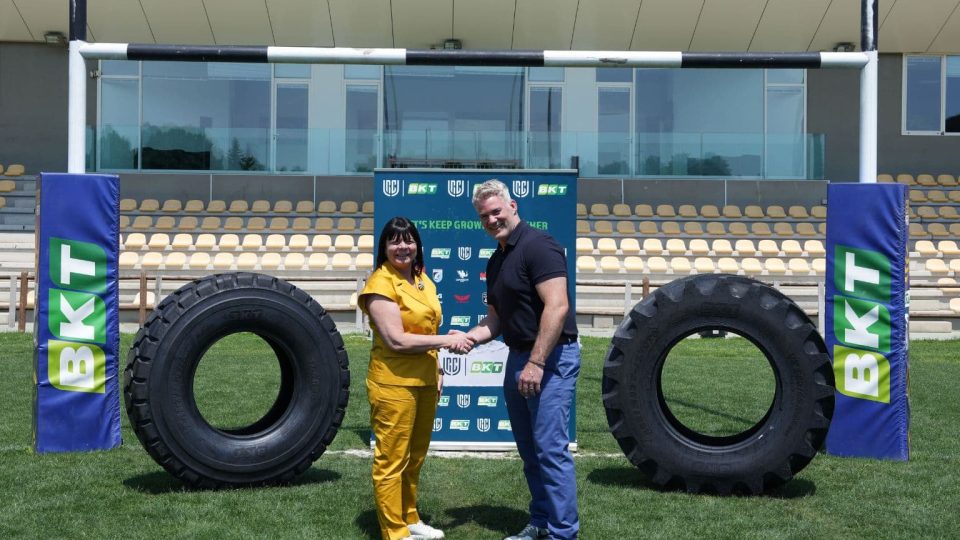
BKT and the United Rugby Championship (URC) have extended their partnership until 2030, featuring a renewed scope and positioning. BKT now becomes the official global tyre partner of the tournament, broadening its reach across all URC territories: Ireland, Italy, Scotland, Wales and South Africa. Th...

World Agritech moves to Italy

The global news portal you are currently viewing, is moving to a new owner. Five years after its launch, World Agritech has been acquired by Italian publishing house Vado e Torno. Acquisitions are not uncommon in the global agricultural machinery business. And now the same applies to dev.world-agrit...

Jacto expands in Farming Simulator

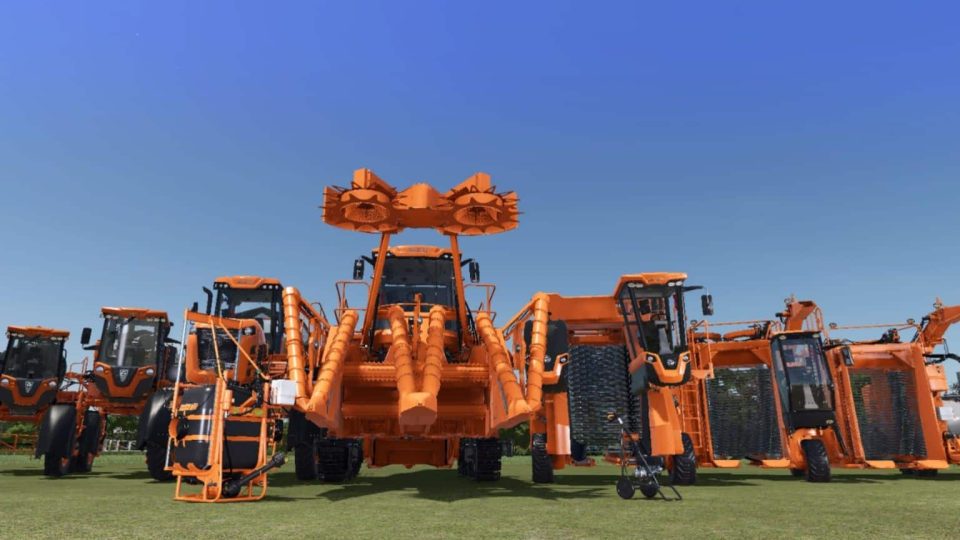
New Jacto machines are available in Farming Simulator 25. Among the new features is the Meridia 200 Peanut planter. Available with six planting rows, the machine supports both no-till and conventional farming systems, offering solutions tailored to different field requirements. The company’s e...

Rice farming in the streets of Italy

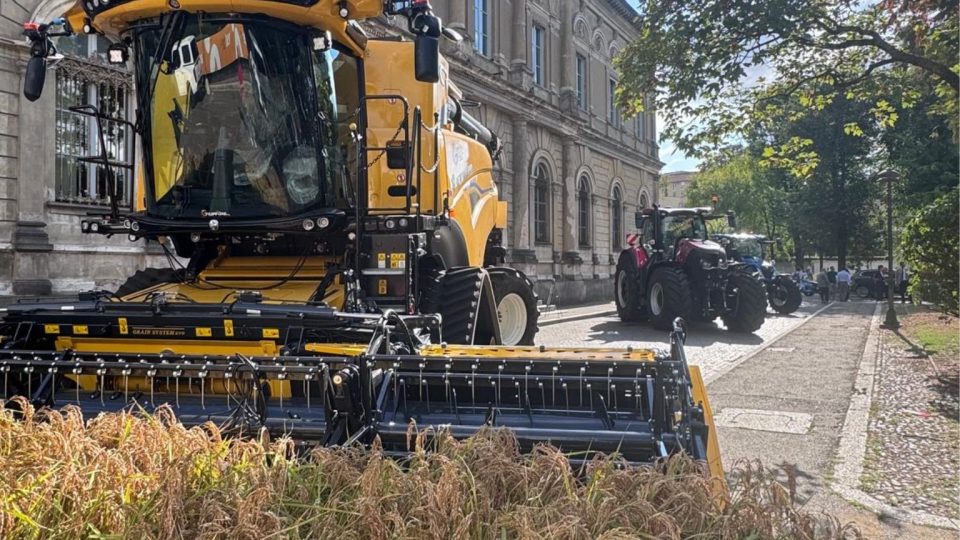
As part of the RISO’ international rice festival, currently taking place in Vercelli, Italy, a display of specialized machinery for rice field operations has been set up. From tractors to levelling machines and weed-control robots, the Italian industry develops technologies to manage every stage of ...