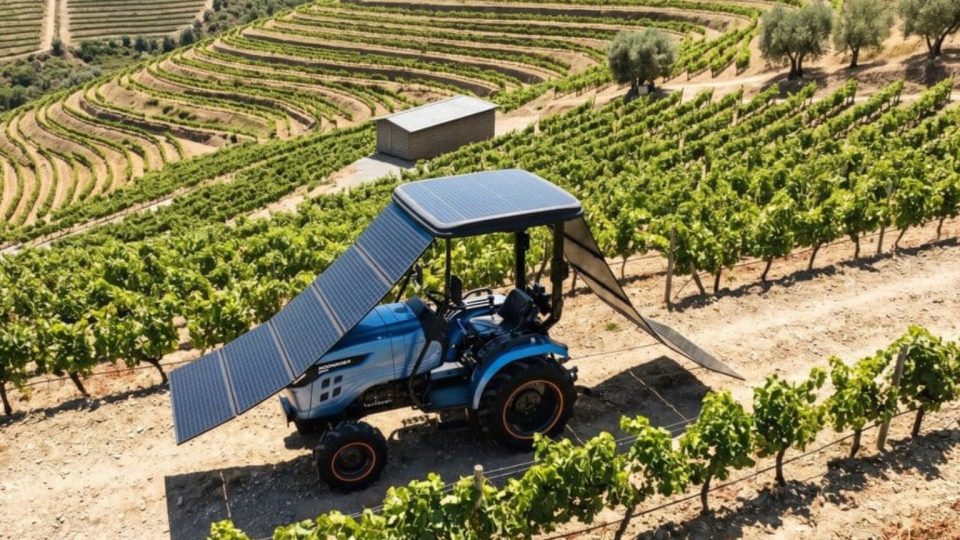
Farmers are long-time innovators. From the earliest plows to today’s cutting-edge machinery, farmers have continually refined their methods in pursuit of greater efficiency, higher yields, and sustainable growth. One constant remains: farms of all sizes are essential to feeding the world. Nowadays with the useful aid of precision agriculture, even for smallholder farmers. Such as Topcon’s Value Line.
By Doug Schmuland, senior director & global OEM coordinator at Topcon Agriculture

Over the past two decades, precision agriculture has become an indispensable ally to farmers, cutting costs and increasing yields, benefiting to farms of all crop types and sizes, with the market evolving to offer solutions tailored to meet these diverse needs.
Historically, this technology has been more accessible to higher-acreage and commercial-scale farms, which have been better positioned to overcome the initial cost barrier. This is now changing as manufacturers develop new, more affordable solutions that address the unique needs of smaller farms, helping to drive the entire industry forward.
Small farm, big impact
Smallholder farms produce over a third of the world’s food on just 12% of global agricultural land. In some regions, smallholders account for an even larger share. The equation then is simple: a financially, physically, and environmentally sustainable small hold farming sector supports a healthier, more resilient food system and contributes to a more nourished and prosperous planet.
Ensuring smallholders have access to precision agriculture technology is critical in feeding an ever-increasing population. But with smallholders facing the same challenges as the rest of the sector – a lack of workers, climate change and increasing costs, to name a few – embracing precision technology becomes a trickier proposition.
Farmers have seen countless new tools come and go over the years, but the ones that last share the same key qualities: they increase productivity, reduce costs, and save time. For precision technology to succeed in supporting smallholders, it must deliver these essential benefits at a price point that fits within the tight budgets available – because for them, return on investment is non-negotiable.
Changing the game
Precision technology is having a profound impact on farms of all sizes, enabling large-scale farmers to adapt and thrive while empowering smallholders to tap into niche markets and specializations – alongside making significant cost savings.
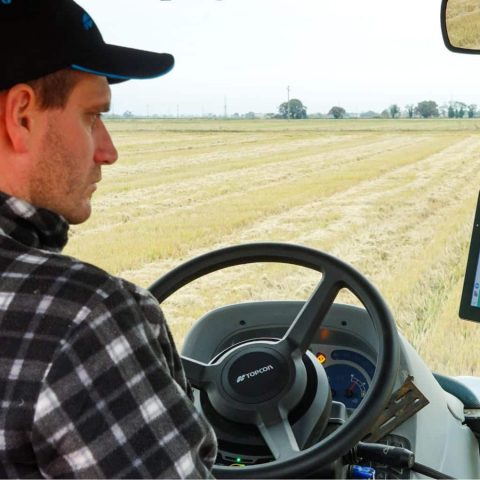
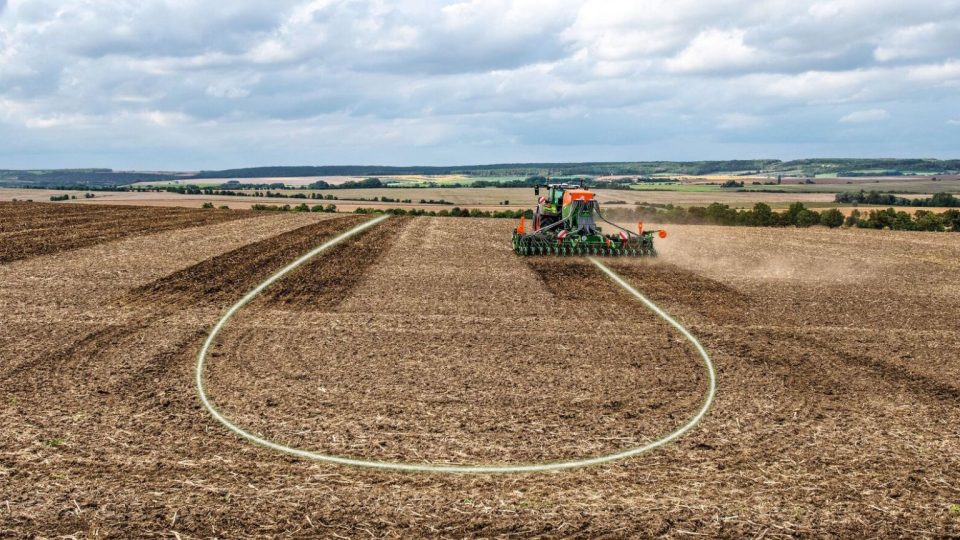
The Value Line by Topcon brings autosteering technology to small and medium-sized farms at much lower cost, compared to full-scale hardware and software suites. This universally compatible system enables farmers to sow or spread with greater accuracy, eliminating overlap and re-work.
These cost savings and margin improvements are particularly transformative for smaller farms where every penny counts. For instance, a 100-foot cultivator that overlaps by a foot wastes 1% of its output. But the same overlap on a 30-foot cultivator wastes three times that – the smaller you go, the greater the percentage waste.
This principle applies to nearly all farming resources, large or small, driving up efficiency and bringing down fuel, inputs and more.
Changing perceptions
Technology is not only improving efficiency in the fields; it’s also transforming the way farmers manage their businesses. The traditional 80:20 labor-to-management ratio in agriculture has been upended, with farmers now considering more variables and analyzing more data than ever before when making planting decisions. Precision agriculture technology, combined with workflow management platforms, brings insights together in a clear, intuitive way, giving farmers a more detailed, real-time view of their work.
Though transitioning to a fully digital workflow may seem daunting for some farmers, the shift towards tech brings significant soft benefits that will support smallholders in particular. The skills gap in agriculture is a growing challenge, as older farmers retire and fewer young people enter the industry. By shifting perceptions of what a career in farming looks like, precision technology and digital workflows will help give more young people the agriculture bug and help to reverse this trend.
A more sustainable industry is also a more attractive one for young people. Farmers have always been stewards of the land, environmental pioneers working to leave it in better condition with each new crop cycle.
Today, sustainability is more critical than ever, as farmers face growing scrutiny from both consumers and regulators to meet rising demand while reducing inputs and emissions. Precision technology can help farmers meet these goals, enabling them to reduce waste, optimize resource use, and lower their environmental footprint. This move toward tech-driven, sustainable farming also offers an exciting opportunity for the next generation of agricultural professionals.
A social success
Despite ongoing challenges across the industry, new opportunities are emerging for smallholders. Food markets are diversifying fast, with consumers increasingly seeking higher-quality, specialized products. While larger farms may struggle to pivot to these niche markets, smallholders are uniquely positioned to adapt and succeed. This shift isn’t only driven by agri-tech; it’s also fueled by the power of social media and the internet, which allow farmers of all sizes to showcase their produce and share their stories with a broader audience, unlocking new business opportunities.
The convergence of a new market space, appealing prospects for a younger generation of farmers, and accessible precision technology could create a winning formula for smallholders – and the impact of widespread adoption in this critical segment would be transformational.