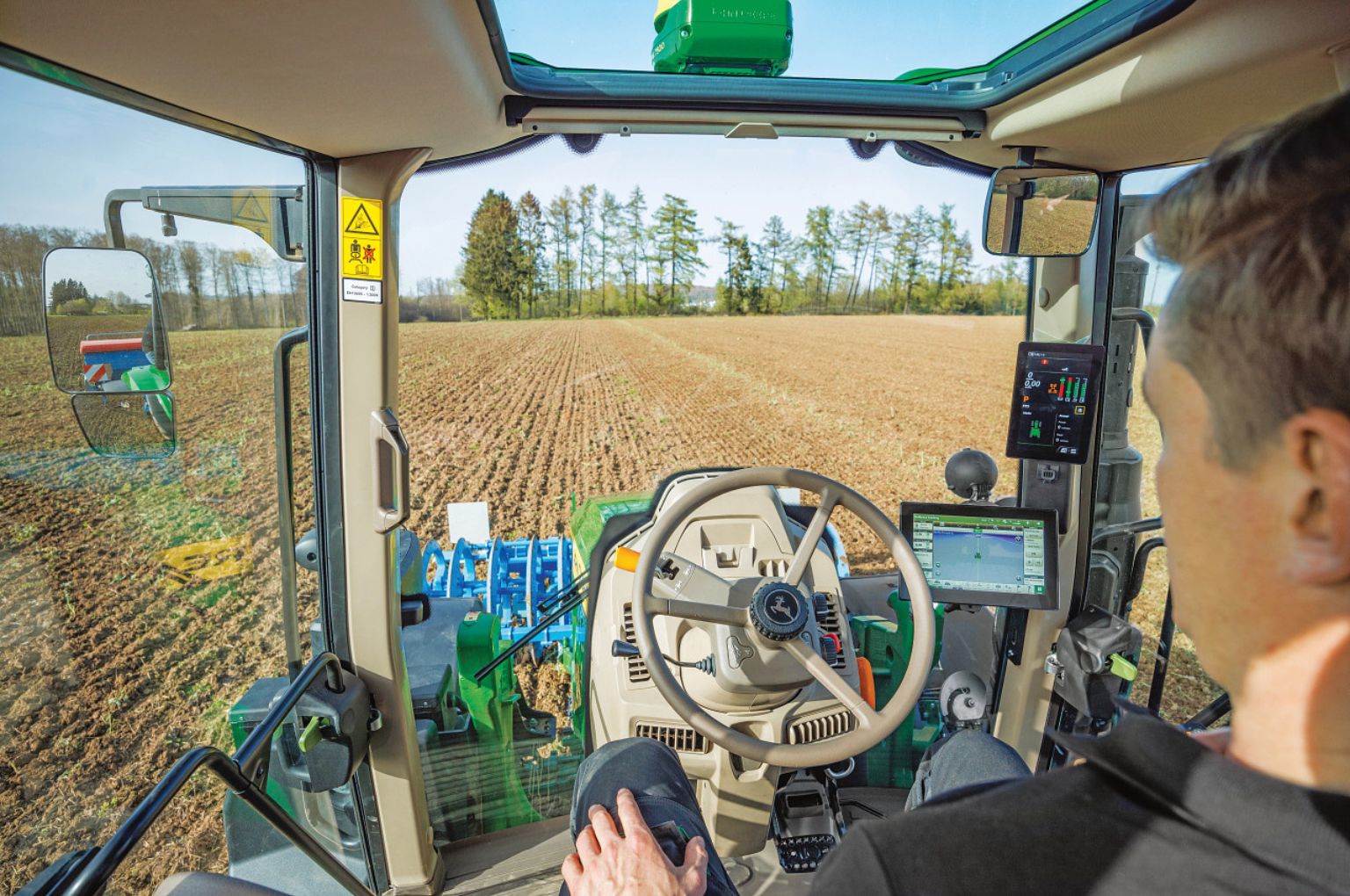
AgXeed is well known for its autonomous ag robots (agbots). Use of the software the company developed for this purpose, is now also making tractors autonomous. To do this, AgXeed introduces a Vehicle Control Unit (VCU). A Tool Control Unit (TCU) monitors whether the work process is proceeding smoothly.

By Arend Jan Blomsma

Routing an agbot in the field is crucial for AgXeed. Hence it is now expanding the routing capabilities within its cloud-based TraXwise program. This program is not only used for planning, but also for monitoring the robots and managing data. It can also be used for tractors and, in the future, perhaps for other vehicles as well.

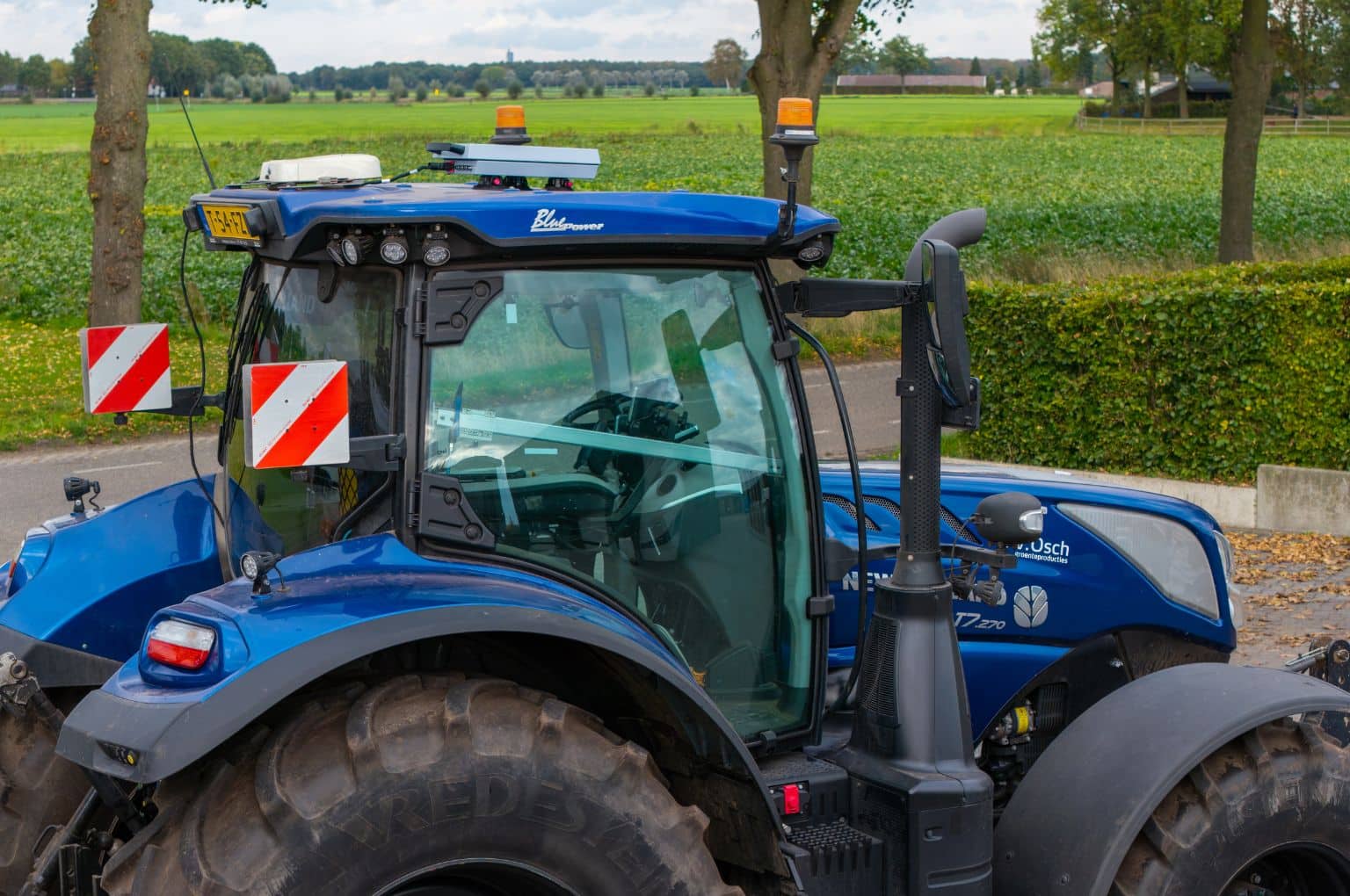
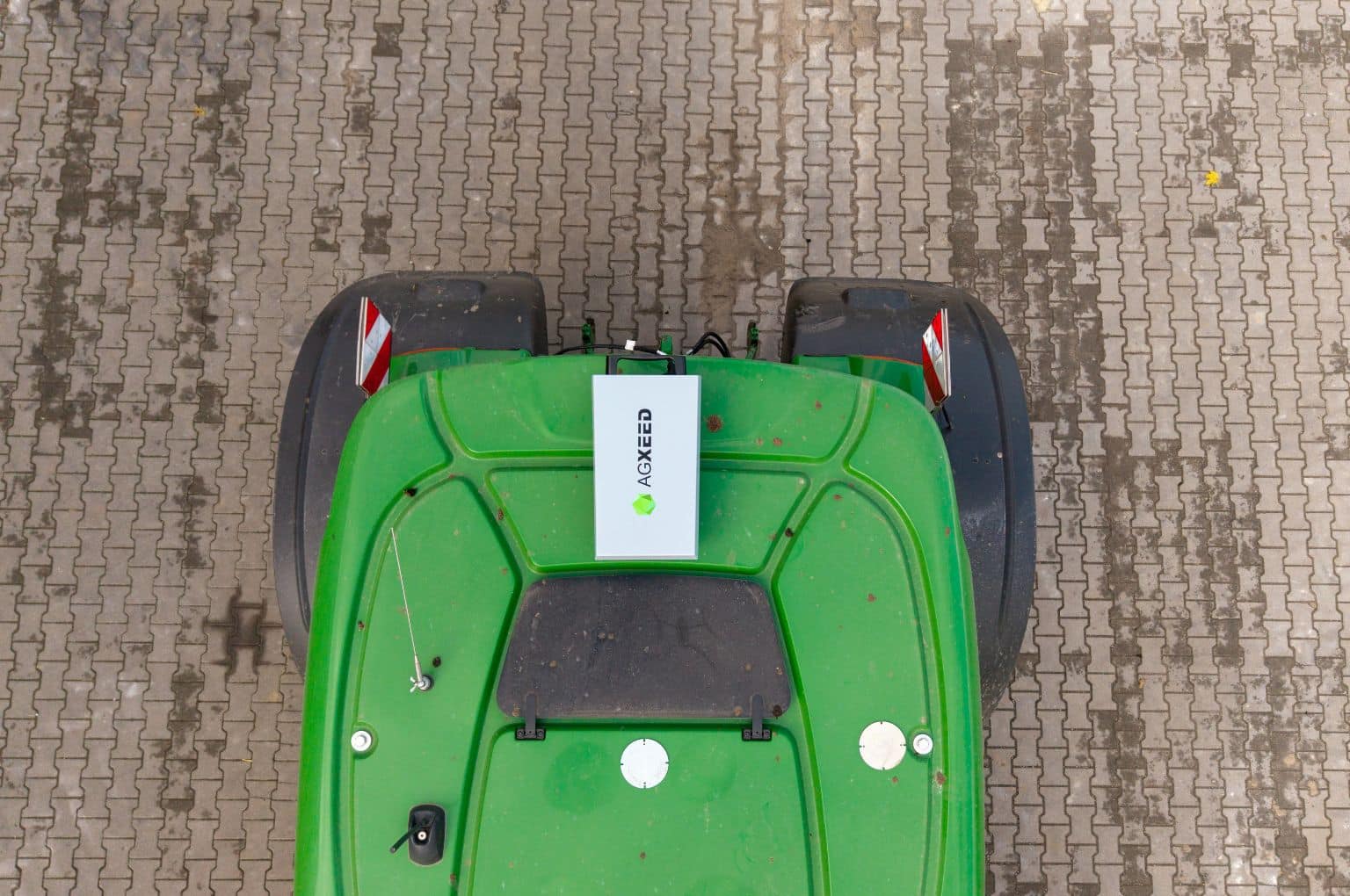
Planning is done in the office by someone who knows exactly which are the requirements and how the operation is supposed to be carried out. The plans are saved in the cloud. These can be loaded by the robot, but also by a tractor, provided it is equipped with the Vehicle Control Unit (VCU) developed by AgXeed. This VCU takes over both the steering and control of the tractor, based on a task from TraXwise. A prerequisite is that the tractor features an ISOBUS connection with TIM functionality. Normally, the implement controls the tractor, but the VCU, in combination with TraXwise, also uses this capability to control the tractor. In addition to the VCU box on the tractor, a tablet is installed in the cab to serve as the control interface for the VCU. However, the driver and the owner can also monitor the tractor via an app, one of the benefits of a cloud-based program.


Precise surveying

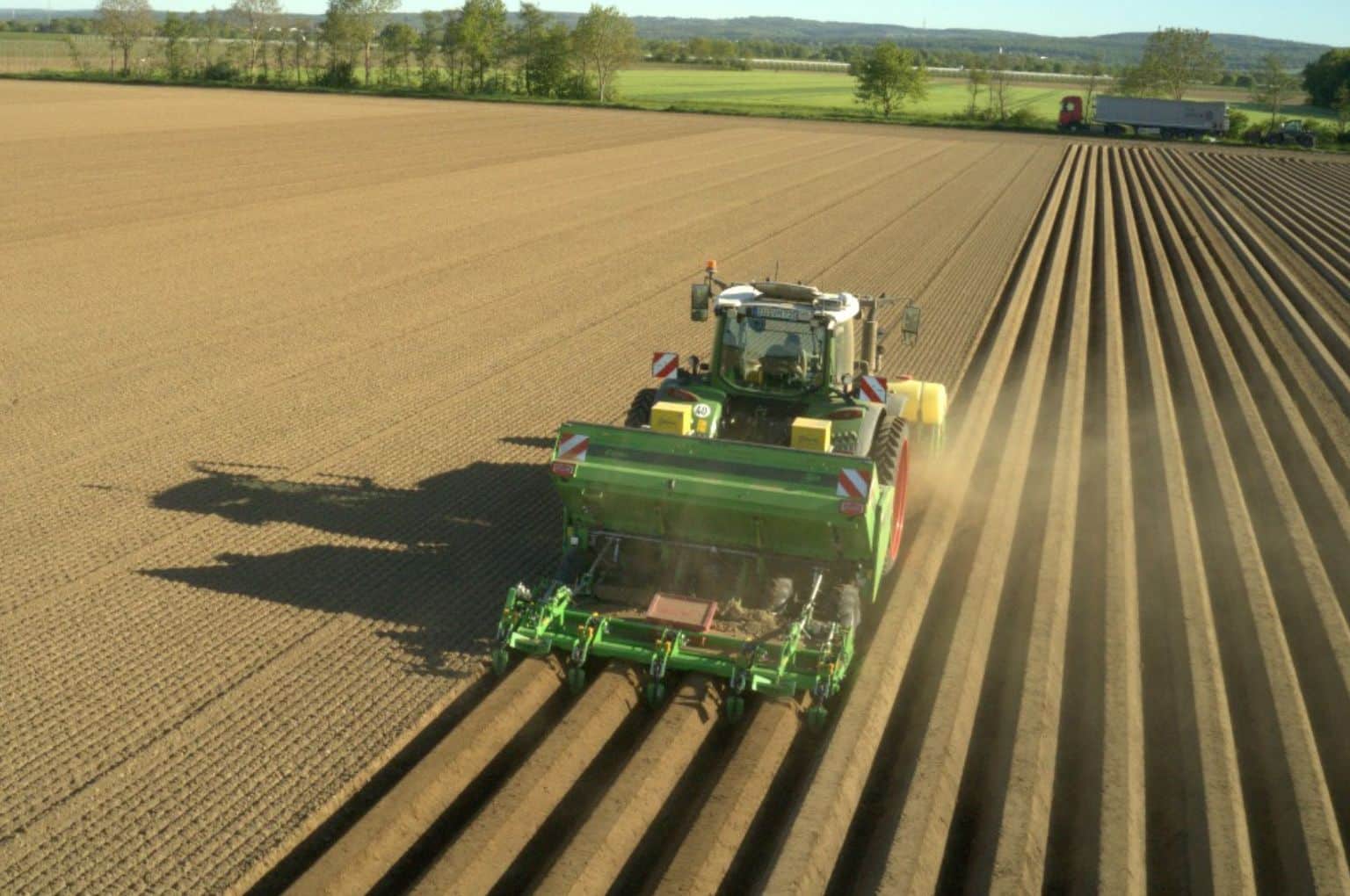
Before TraXwise can plan a route, the field must first be surveyed using RTK. This is extremely important, because only with exact field boundaries can a good and, above all, safe route be set. That is why surveying must be performed by certified personnel, ensuring that precise boundaries are used and that there are no cutting corners, for example, in corners or around overhanging branches. Planning is possible for all possible plot shapes. The user can specify where to turn around at the headland and whether to skip passes, as well as how many passes should be skipped. The system attempts to avoid driving in reverse as much as possible. In particular, automatic reverse driving is not yet supported for tractors, even though the feature is part of ISOBUS TIM (Tractor Implement Management).

In addition to the field, the implement must also be measured. This involves not only the working width, but also the dimensions of the machine, the difference in height and distance between the attachment points of the lift arms and the top link, and between the point where the implement exactly touches the ground relative to the attachment point. Only then is precise fine-tuning at the headland possible.

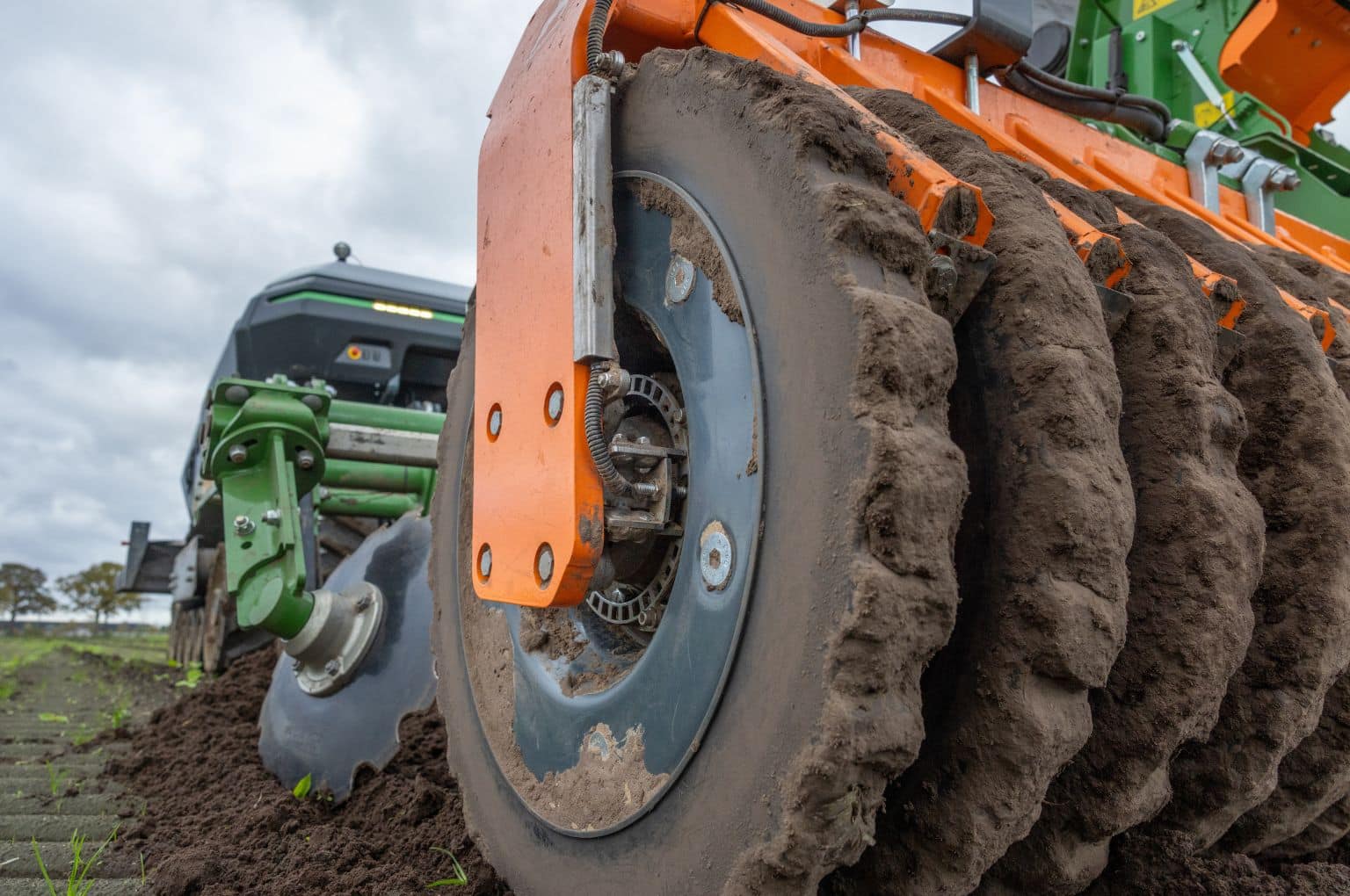
We observed this in the field while working with a rotary harrow behind a tractor. When the harrow was lowered, the point where the tines touched the ground was marked, and when it was raised, the point where the trailing roller left the ground was marked. This created a difference that is particularly noticeable when driving back and forth, as the implement’s entire working action becomes clearly visible.

Control via tablet

In Germany, we had the opportunity to drive a New Holland, a John Deere, and a Claas tractor, all equipped with the TraXwise steering system via a VCU. While working, all steering is controlled via the tablet. If the driver wants to change something, such as the driving speed, this is done via the tablet rather than the tractor. There were slight differences in the controls across the three tractors, primarily related to how the TIM functionality is activated in each tractor. In most cases, the tractor must be driven a short distance so the system can recognize the direction in which it is traveling. AgXeed has a partnership with Claas, which means that TraXwise is integrated into Claas Connect.  As a result, the user no longer sees the TraXwise logo on the tablet, but the Claas Connect logo instead.

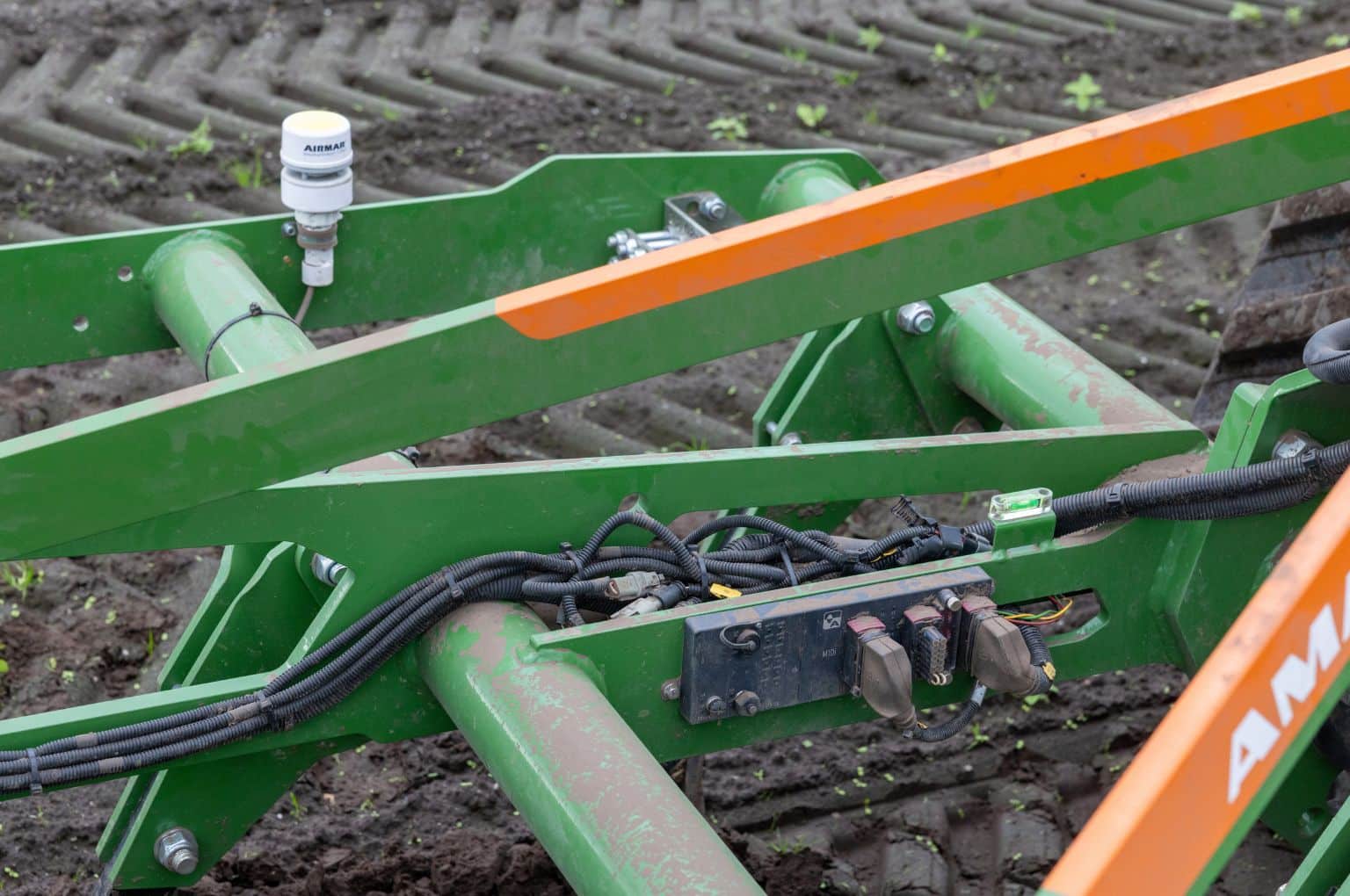
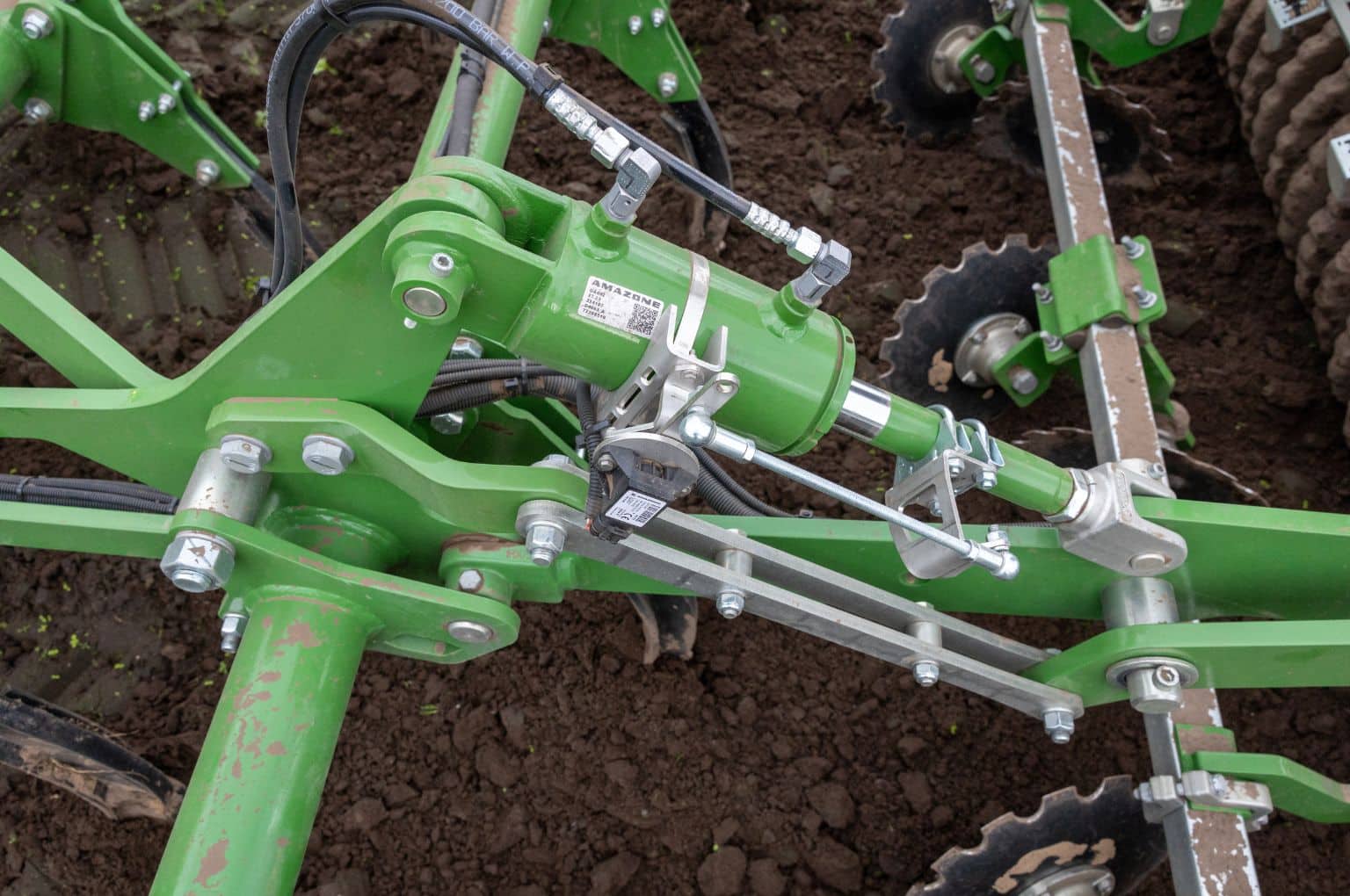
Of course, the tillage is what it’s all about, and to monitor it to some extent, AgXeed has also developed a Tool Control Unit (TCU). Sensors monitor key points in the process. If the RPM drops below a certain value, the user receives a signal. If the RPM drops even further, the tractor stops. The user sets the threshold values by himself. These can vary for each task. The harrow also features sensors that measure the incoming PTO speed and the outgoing speed after the overload protection. Here, too, if the threshold values are exceeded, the user receives a warning or the tractor stops. Additionally, there are sensors on cultivators that detect when a shear bolt breaks. The TCU prevents a tractor from continuing to run for too long while the implement is not functioning.


Just under 160 AgXeed agbots are currently in operation in nearly every part of the world. The company uses the insights gained from the experience with these machines, to continuously improve both the hardware and the software. TraxWise is one such example, enabling AgXeed to take the next steps toward autonomy.

Highlights

“Cotton King” high clearance tractor

Kazakhstan, Kyrgyzstan, Tajikistan, Uzbekistan and Turkmenistan in Central Asia, are rich in cotton production. In order to meet technological constraints, Lovol launched the high clearance TX1104-H “Cotton King” tractor, specifically designed for cotton production in these countries. Th...

“Agritechnica Asia live” is approaching

From 24-26 August, Agritechnica Asia Live 2022 will be held in Can Tho City, Vietnam. At Agritechnica Live, machinery will be demonstrated in the field. Concurrently there’s an exhibition with a seminar programme. The previous edition was held in Myanmar, which attracted visitors from across South E...

“I wanted to disrupt the industry”

Craig Rupp is a self-made man. The founder and owner of US based Sabanto, has a clear vision on automation in agriculture. “I wanted to disrupt the industry,” he says. And so, he did. Craig developed the Steward retrofit kit, making tractors operate autonomously. It eases the workload for farmers. B...

“Agricultural robots” today at Agritechnica digital

“Agricultural robots” is the first topic in new webinar series on startup technologies, presented in Agritechnica digital. Free-to-attend ‘AgTech’ events explore topics shaping startup innovation scene: robotics, digitalization, circular economy and soil health. Today, 18 January 2022, Agritechnica ...

“Let the future begin”

The global ag machinery market is continuously evolving. AGCO aims to be in the forefront of new technology. Serving their own customers, but also mixed fleet operations. With new solutions in precision ag, autonomous vehicles and engines running on clean energy. Always with full focus on the farmer...

Related articles

Real-time optimizing berry harvest

Oxbo is unveiling AutoHarvest, an integrated machine-learning technology bringing real-time harvest optimization to berry growers. Designed for Oxbo berry harvesters, AutoHarvest continuously analyzes harvesting conditions and automatically adjusts machine functions, helping achieve consistent resul...

Fendt tractors operate autonomously

Guidance systems and numerous assistance systems have become established in agriculture. By combining various assistance functions, Fendt tractors achieve Level 3 autonomy today. With the “OutRun Grain Cart” and “OutRun Tillage” retrofit kits, Fendt tractors can be used autonomously for grain harves...

John Deere reveals AI assistant

For more than a decade, John Deere Operations Center has helped farmers connect their field, machine, and operational data in a centralized platform. Now this technology is being taken to the next level with “JD”, the artificial intelligence (AI) assistant built into Operations Center. The new JD as...

Electric tractor charging off-grid

A tractor doing the work without using diesel fuel and no engine noise. That’s the idea behind the Moonrider T 27, an all-electric tractor designed for farmers who want a quieter, lower-cost alternative to traditional compact tractors. It can even be charged off-grid. GoSun in the US is partnering w...