Circular agriculture in action
CEMA, the association representing the European agricultural machinery industry, issued a paper entitled “Renewable and low-carbon fuels for climate-smart EU agricultural machinery: circular agriculture in action”. The paper outlines the different options to deliver a significant reduction of agricultural equipment’s CO2 footprint. The assumption is that conventional fuel is still a contributor to the overall […]
CEMA, the association representing the European agricultural machinery industry, issued a paper entitled “Renewable and low-carbon fuels for climate-smart EU agricultural machinery: circular agriculture in action”. The paper outlines the different options to deliver a significant reduction of agricultural equipment’s CO2 footprint.
The assumption is that conventional fuel is still a contributor to the overall agricultural carbon footprint. Agriculture can only become sustainable when it overcomes its major dependency on fossil fuel.
How then, do manufacturers propose to do so? Through an intelligent and effective use of all the available options within the agricultural production process. This includes a smart use of machinery to increase the energy efficiency of production processes, electrification of the fleet and the use of renewable and low carbon fuels.
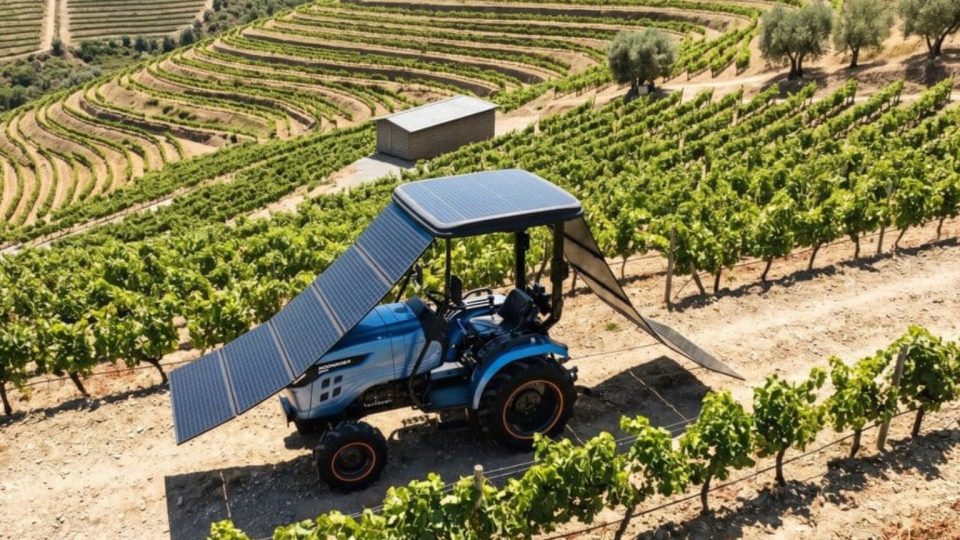
Agricultural equipment is characterised by its extremely robust and reliable construction, resulting in a long service life. To plan any transition of engine technologies and energy solutions, it is key to consider the high average age of the current agricultural machinery fleet powered by a combustion engine. Currently, due to the nature and complexity of agricultural production, there is no single technology or energy carrier capable of entirely replacing conventional technology. There may not be ‘one size fits all’ solution. A mix of technologies and energy carriers, most suitable for a given production system, certain region, farm size and condition, will have to be identified and applied. In this framework, farmers will have a key role to play as both producers and consumers of energy, since they will be able to contribute to energy production with solar panels, windmills, oil mills/mini-refineries and biogas/ biomethane plants.
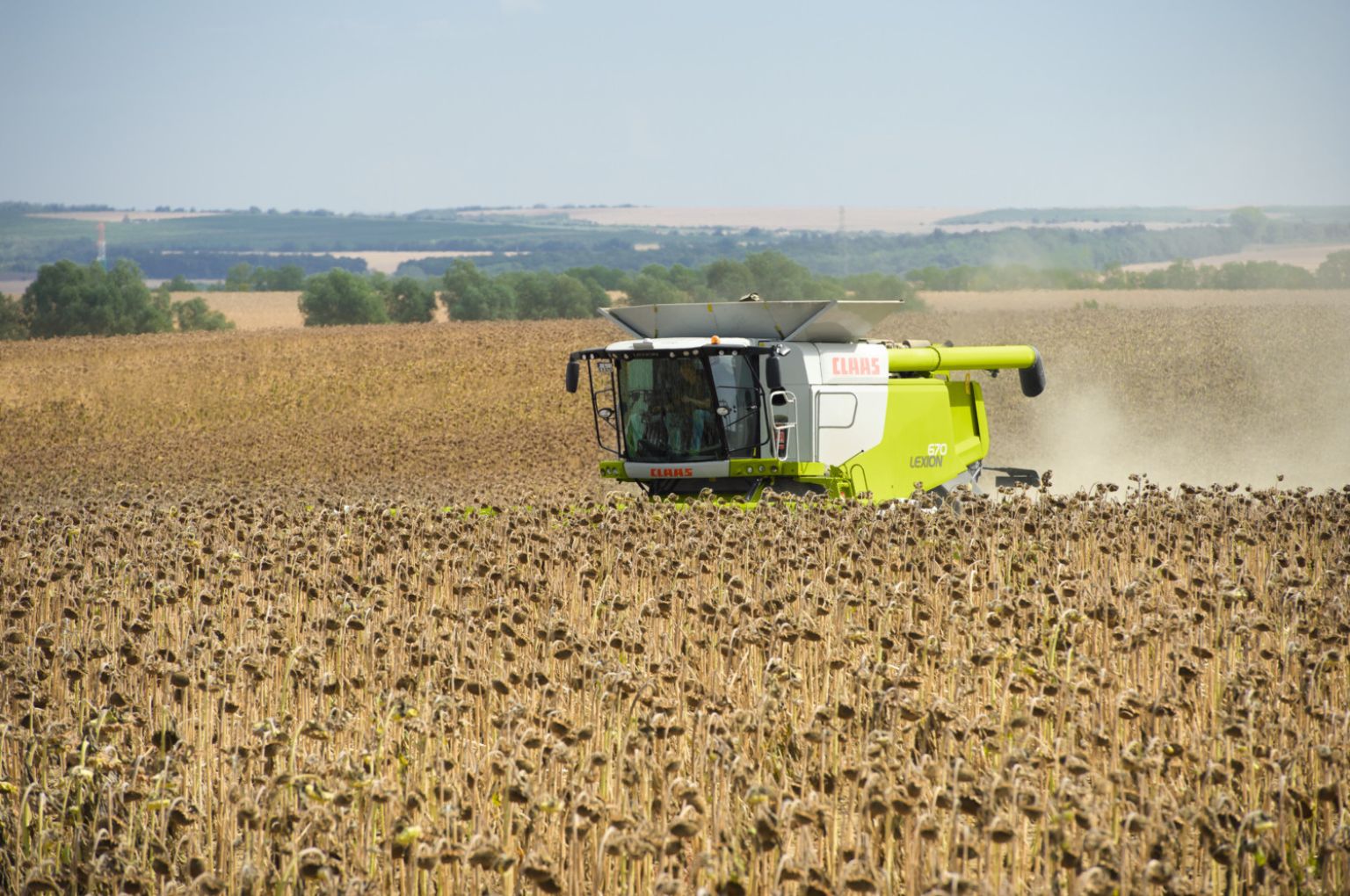
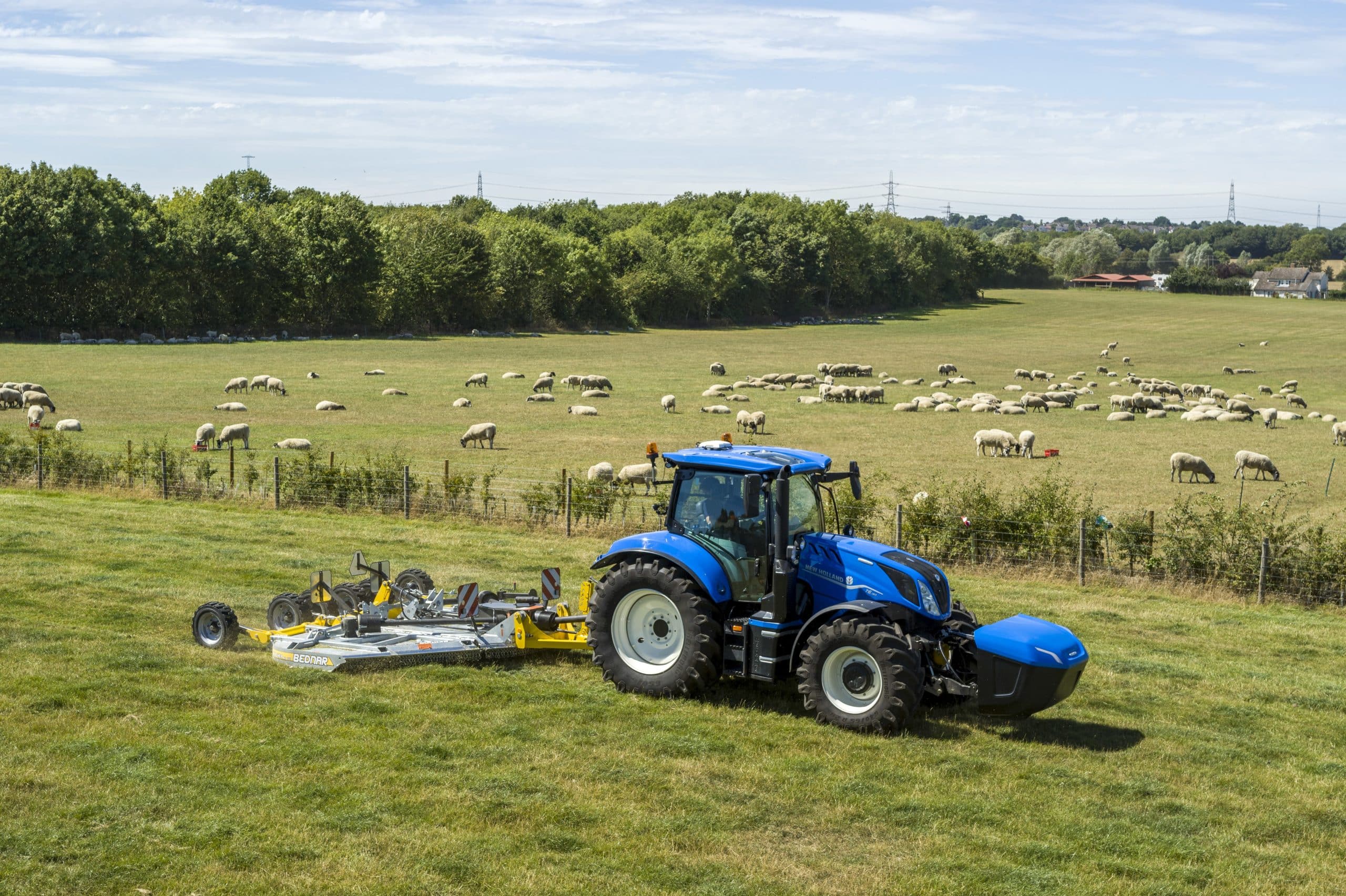
In this position, CEMA explains that for most of the EU agricultural machinery fleet to deliver a significant CO2 reduction, renewable and low-carbon fuels, notably liquid and gaseous biomass fuels, green hydrogen and e-fuels will be an important source of energy, with which the internal combustion engine will remain a viable and suitable solution.
The technological progress in the coming decade will define the long-term potential uptake of electrification, with solutions aimed at solving issues of weight, energy density and fast recharging of on-board energy storage for a sustainable operating range. So far, for the short and mid-term, full electrification seems more feasible for small-sized low-powered agricultural machines, while for mid- and large-sized machines and for high-power applications it is not an alternative to combustion engines. The development of these technologies is a key element of the path to a zero-carbon commitment.
Download the full paper and/or executive summary