CEMA and FAO renew partnership for sustainable mechanization
The European Agricultural Machinery Industry Association (CEMA) and the Food and Agriculture Organization of the United Nations (FAO) renewed their Memorandum of Understanding (MoU) on sustainable agricultural mechanization until 2025. Back in 2015, CEMA and FAO put their forces together and signed a document outlining their common interest in supporting sustainable agricultural mechanization efforts across […]
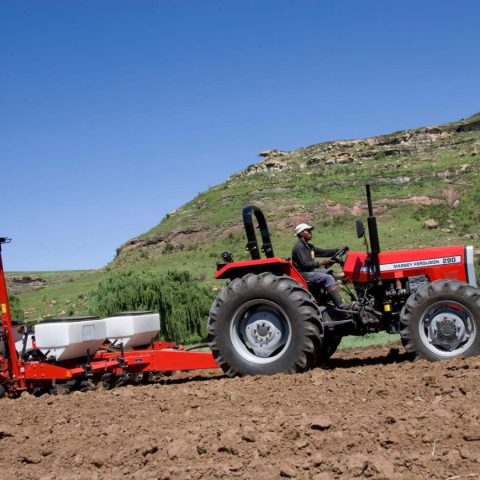
The European Agricultural Machinery Industry Association (CEMA) and the Food and Agriculture Organization of the United Nations (FAO) renewed their Memorandum of Understanding (MoU) on sustainable agricultural mechanization until 2025.
Back in 2015, CEMA and FAO put their forces together and signed a document outlining their common interest in supporting sustainable agricultural mechanization efforts across the entire farming system and with a value chain perspective. FAO and CEMA agreed to work together to manage and disseminate knowledge on sustainable approaches to agricultural mechanization, as well as jointly develop technical programmes to support innovation in mechanization and facilitate the implementation of sustainable mechanization initiatives at the field level.
In 2018 the agreement was renewed for the first time. Just a couple of days later, the Framework for Sustainable Agricultural Mechanization for Africa (SAMA) was launched during the 26th COAG (Committee on Agriculture) meeting. The document was developed by FAO and the African Union with the support of CEMA.
Cooperation and exchanges continued further, and in December 2019, CEMA put forward a request to the newly installed European Commission, suggesting to mainstream Sustainable Agricultural Mechanization in Africa. The position paper outlined how tailored, inclusive and integrated approaches to agricultural mechanization have the potential to make a real difference, increasing the welfare of farm households and creating positive dynamics and opportunities for economic growth in rural areas.
The 2021 MoU renewal marks an important moment in the FAO-CEMA cooperation, as both organizations expressed their joint interest in particular on the importance of:
1 Automated, intelligent, agricultural machinery, precision agriculture and related data management of generated digital data, and
2 Accurate statistical data on agricultural machinery use, especially for countries in Africa.
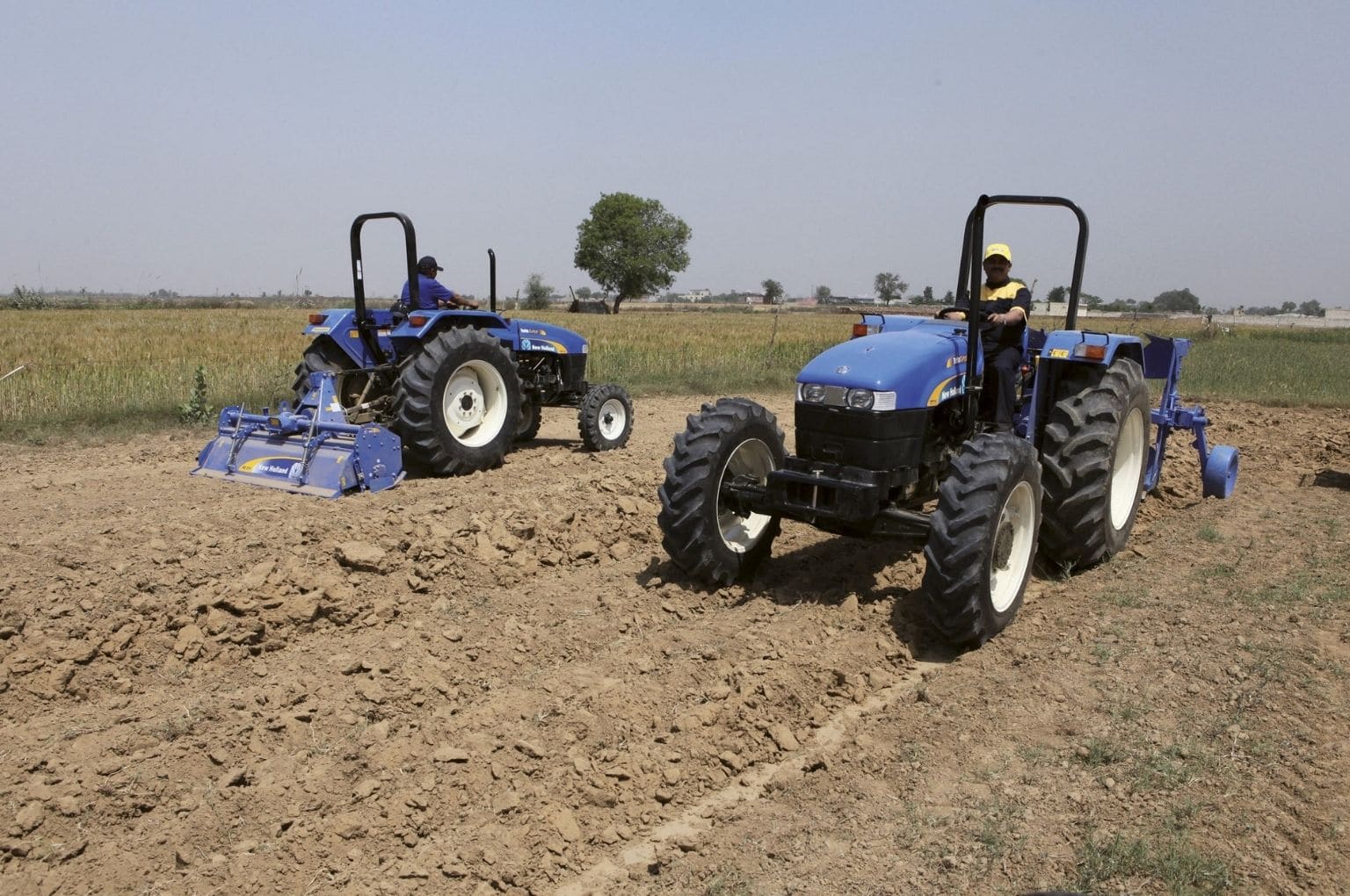
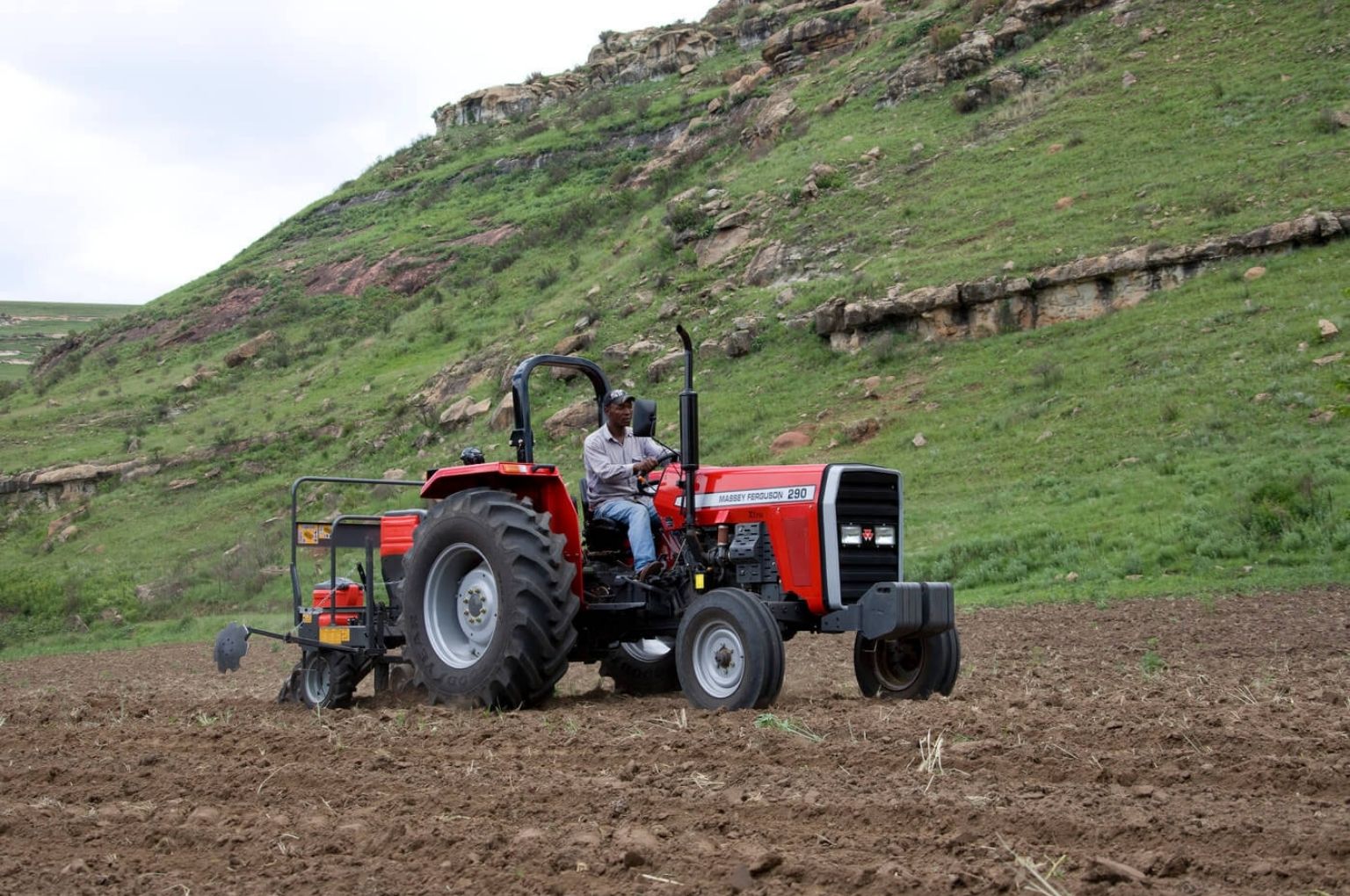
“Mechanization is essentially a private sector business, while public sector institutions should provide the enabling environment for it. CEMA is representing a vast diversity of agricultural machinery suppliers, from small businesses to global players in the agricultural machinery industry. FAO is very pleased to collaborate with CEMA in the operationalization of the SAMA Framework in order to help to overcome the divide in mechanization scenarios between Europe and Africa” said Josef Kienzle, Agricultural Engineer and Lead of the Sustainable Agricultural Mechanization team of FAO Plant Production and Protection Division.
“CEMA is very glad for the renewed partnership with FAO and is ready to further contribute to the implementation of the SAMA Framework, together with its member associations and its companies which can offer solutions and expertise on mechanization innovations”, said Jérôme Bandry, Secretary General of CEMA.
FAO and CEMA underline that actions undertaken in the framework of the MoU will contribute to achieving the Sustainable Development Goals. A number of joint activities will be rolled out during 2022 to promote a wider use of sustainable agricultural mechanization in Africa and develop capacity building activities in the continent through advocacy actions and information exchange.