“High-value crops have huge market potential, but growers face production challenges including skilled labour shortages for highly repetitive work during seasonal peaks,” says Thierry Le Briquer, Grape, Olive & Coffee Global Manager at New Holland. “R4 robots have been developed to automate such jobs, increasing both efficiency and sustainability with a zero-emission solution.”
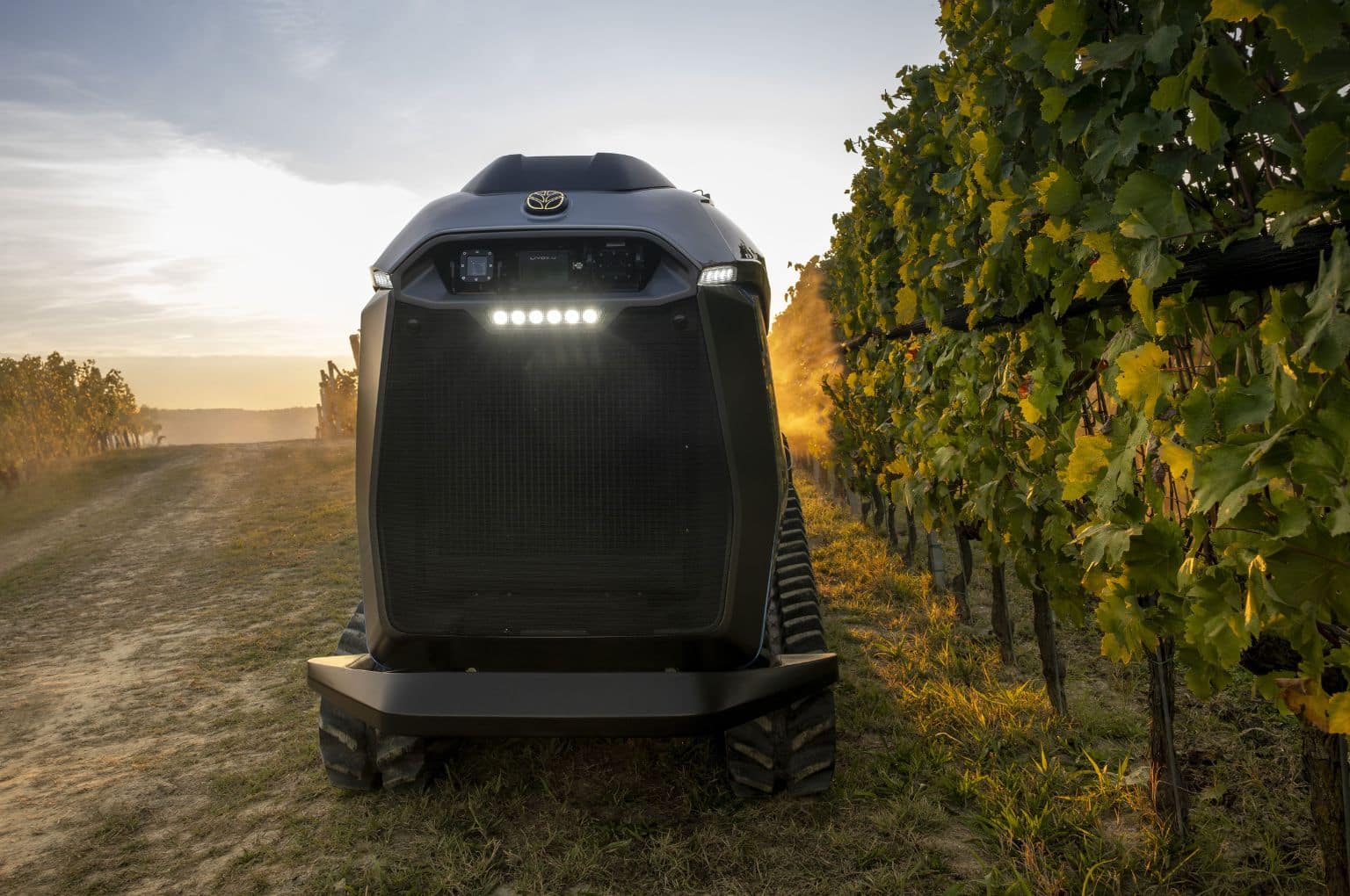
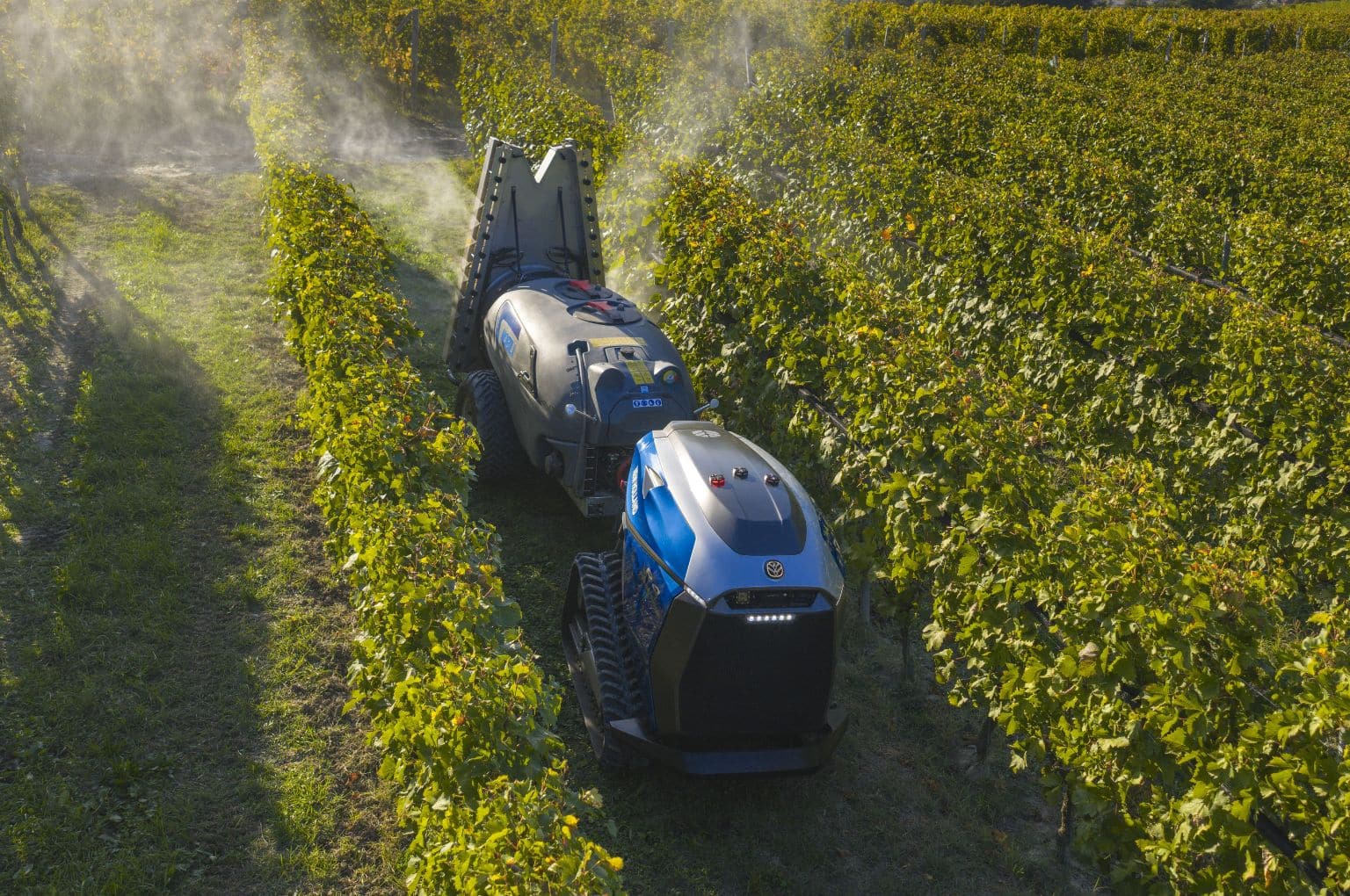
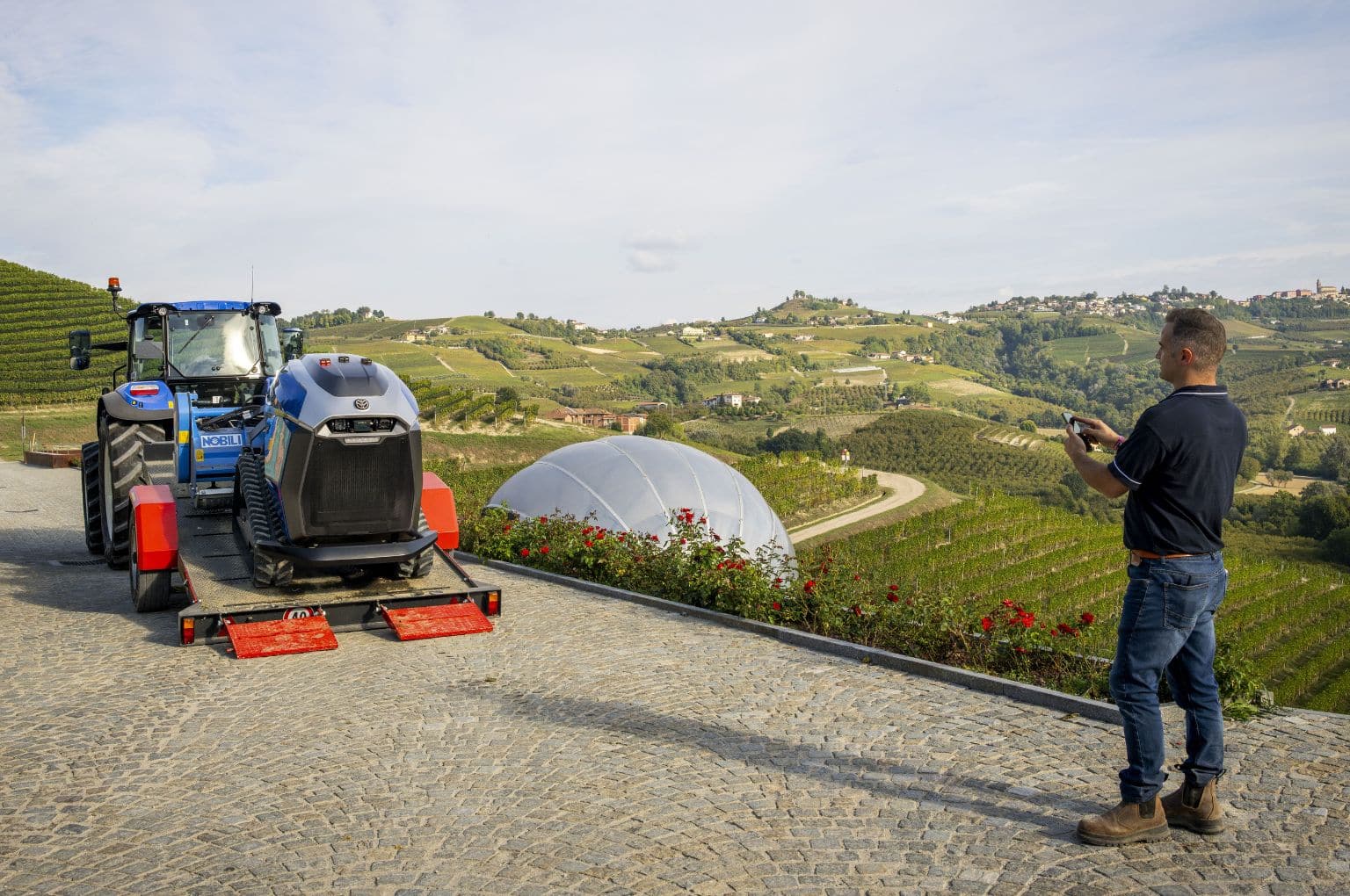
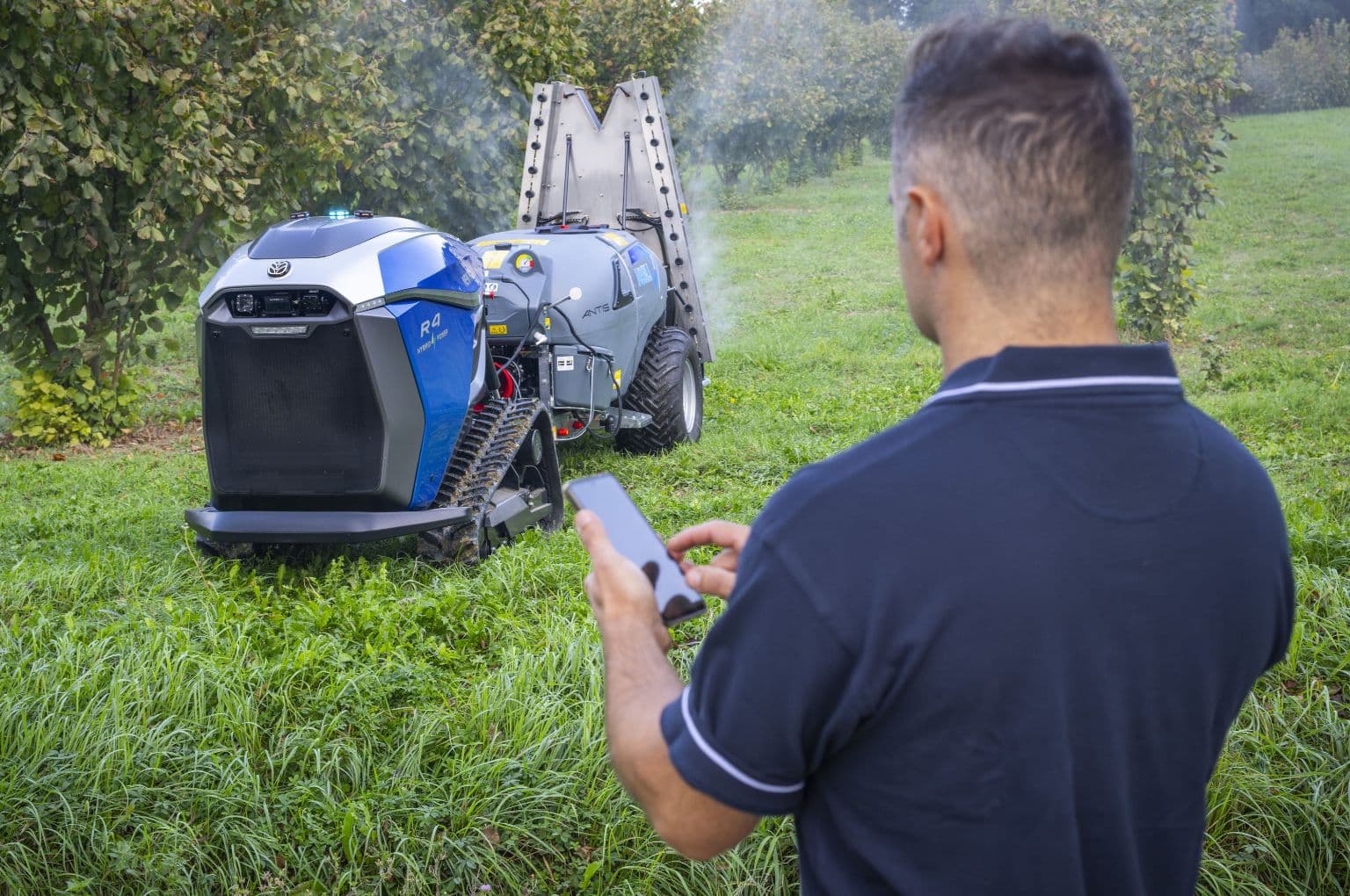
The R4 has been developed at the CNH R&D Centre in Modena, Italy, and the New Holland Centre of Excellence for Specialty Harvesting in Coëx, France. The resulting R4 robots execute repetitive, lower value tasks where accurate and safe work does not depend on human presence, such as inter-row mowing or tillage. The two autonomous robots also address the most time-consuming tasks in vineyards and orchards such as spraying. Managed via an app, R4 machines are controlled via a combination of GPS, LIDAR and vision cameras.
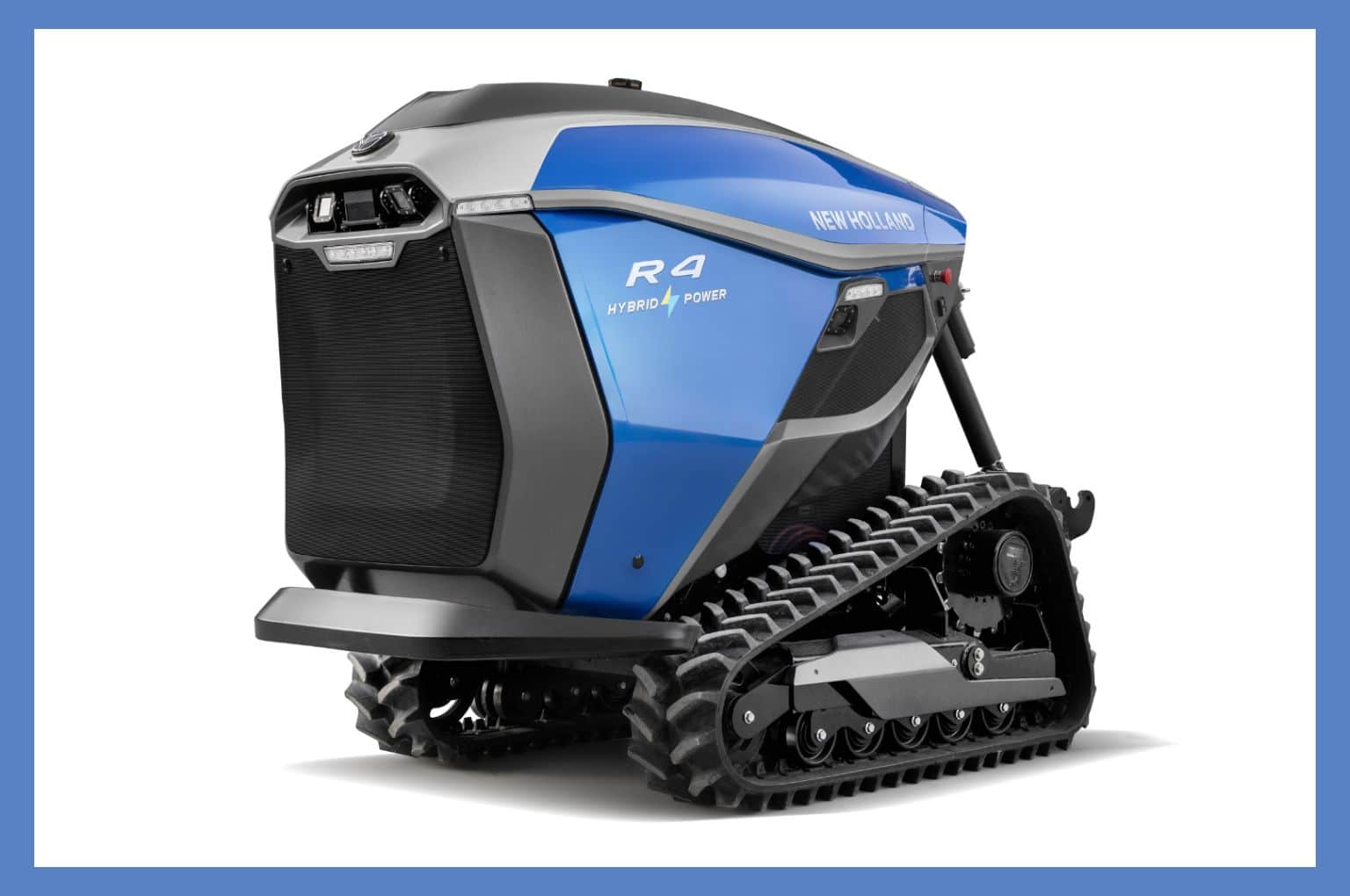
“R4 is an all-new concept, there is no cab,” continues Le Briquer. “It has been designed from the ground up, yet it is built entirely in-house, using our expertise in electronics, powertrains, precision tech, and more. The robot joins our lineup alongside tractors, grape harvesters, and other machines. The R4 leverages the same autonomous tech stack and components we’ve developed for our cash crop and row crop platforms, showing the scalability and flexibility of our solutions. It fits right into our full product offering, sharing systems such as FieldOps and the same autonomy platform used across both cash crop and specialty machines. This makes it highly flexible, easy to upgrade, and well supported for the future.”
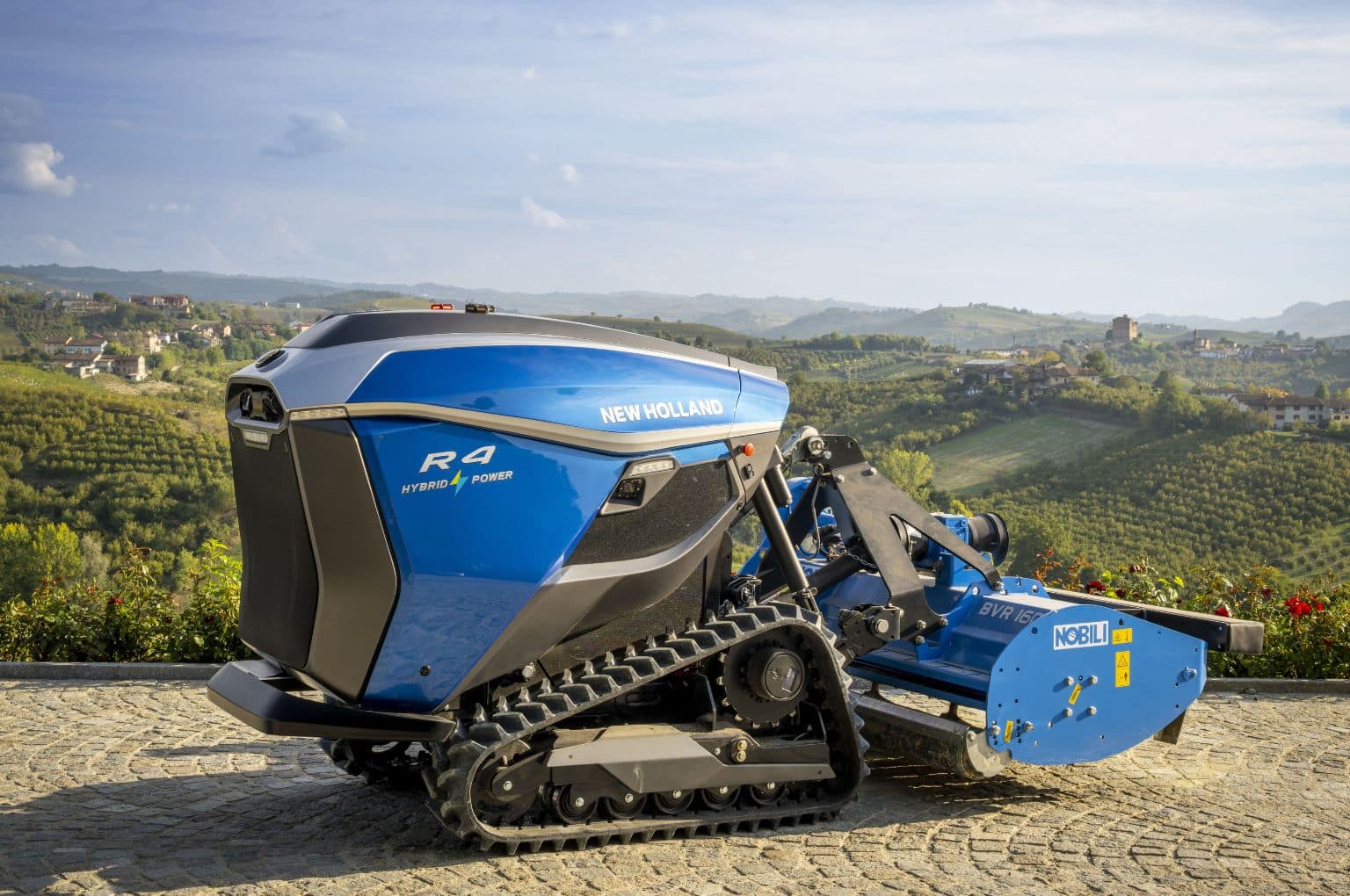
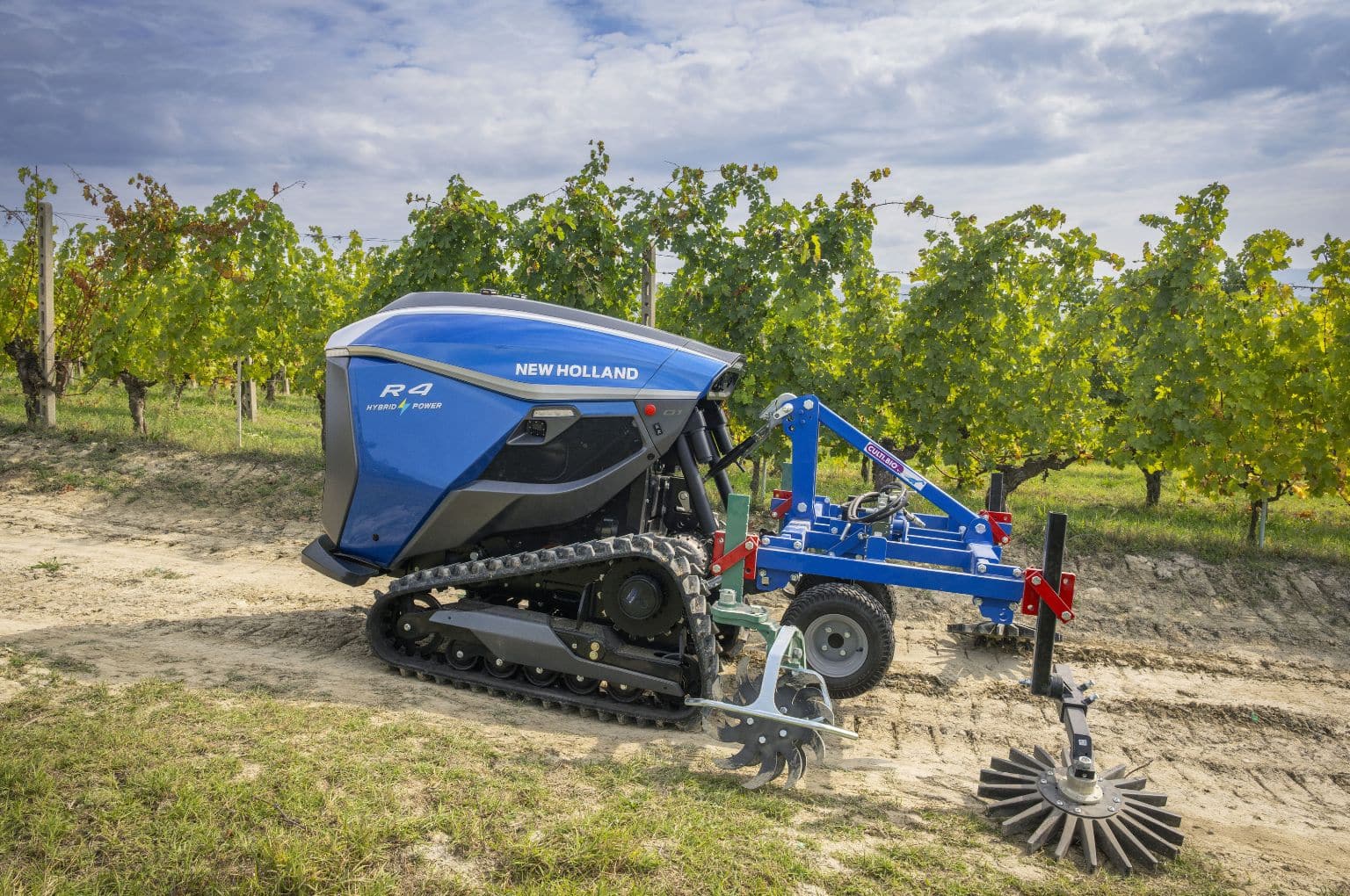
New Holland has developed two versions of the R4 autonomous machine concept, each tailored to meet the specific needs of different specialist crop sectors. Both feature suspended rubber-track drive units to maximize traction and minimize compaction, and incorporate a continuously-variable electric drivetrain. They can power implements electrically without hydraulic oil, reducing maintenance requirements, components, weight, emissions, cost and compaction. Both machines are compatible with existing implements.
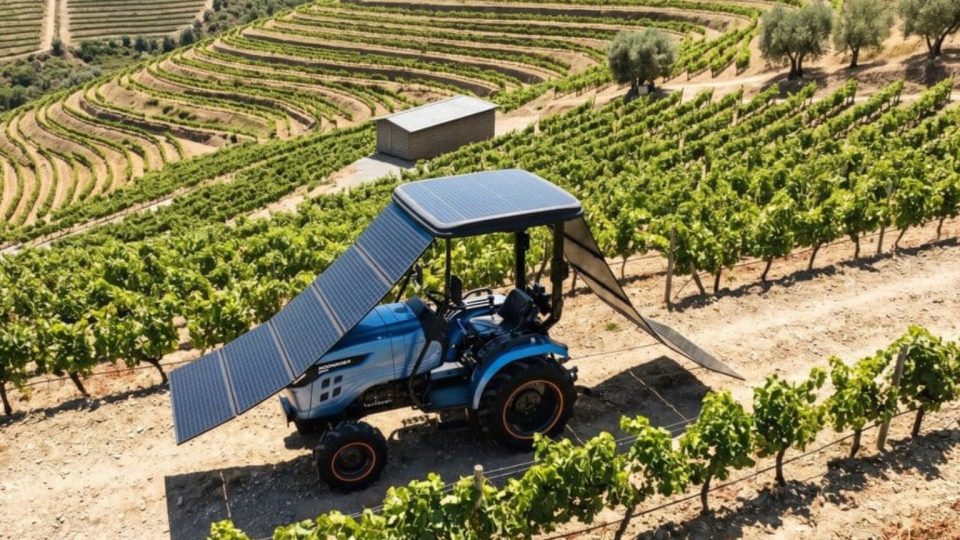
Targeted primarily at high-end narrow vineyards, R4 Electric Power is electrically powered via a 40kWh battery pack. With a 1.38m maximum height and overall width of just 0.7m, the R4 Electric Power can work in 1.0-1.5m crop spacings and weighs just one ton. A custom-designed, ultra compact hitch has a 500kg lift capacity, and the machine can also power electrically driven implements.
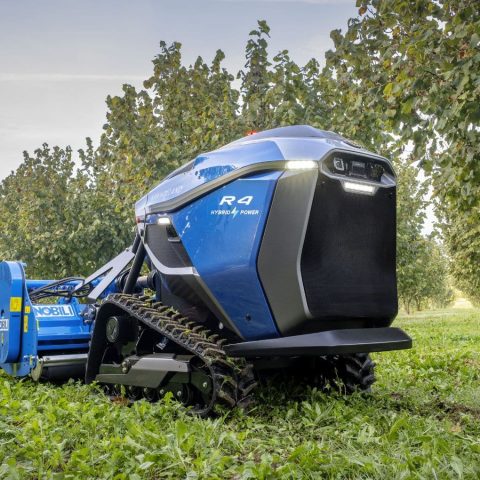
The bigger full-hybrid model, R4 Hybrid Power, is designed for orchards and fruit producers and offers more power and extended autonomy, with a power-to-weight ratio double that of a conventional specialty tractor with similar output. Weighing 1,400kg and measuring 1.2m wide, the machine is optimized for row spacings of 1.5m and above.
Its double-pass capability ensures complete coverage, allowing it to operate efficiently in large orchards without misses. Power is provided by a 59hp/44kW diesel engine which can run on vegetable oil-based fuels to cut emissions. This drives an electric generator pack for transmission and implement power. When suitable, R4 Hybrid Power can run in fully-electric mode, with the two 4kWh batteries powering the machine for zero-emission and quiet operation. The electrically-powered Cat I/II hitch is maintenance-free. A mechanical 540 rpm PTO with intelligent progressive clutching works with standard implements – and a 48V/12kW e-PTO socket can power future electrically-driven machines.
Intelligent electrical implement management functions were conceived to ensure operator safety and further minimize the environmental impact of both R4 machines. For example, intelligent spraying technology can automate flow rate control and both headland management and canopy gap on/off switching. It also automates spraying by canopy height. Additionally, work is continuing to develop a system to enable spot spraying according to disease detection.
“Our goal was to create fully autonomous machines requiring only remote supervision,” Le Briquer concludes. “R4 is a sustainable, intelligent, and adaptable robotic solution that offers value and a lower total cost of ownershi