Zetor assembly relocates to Asia
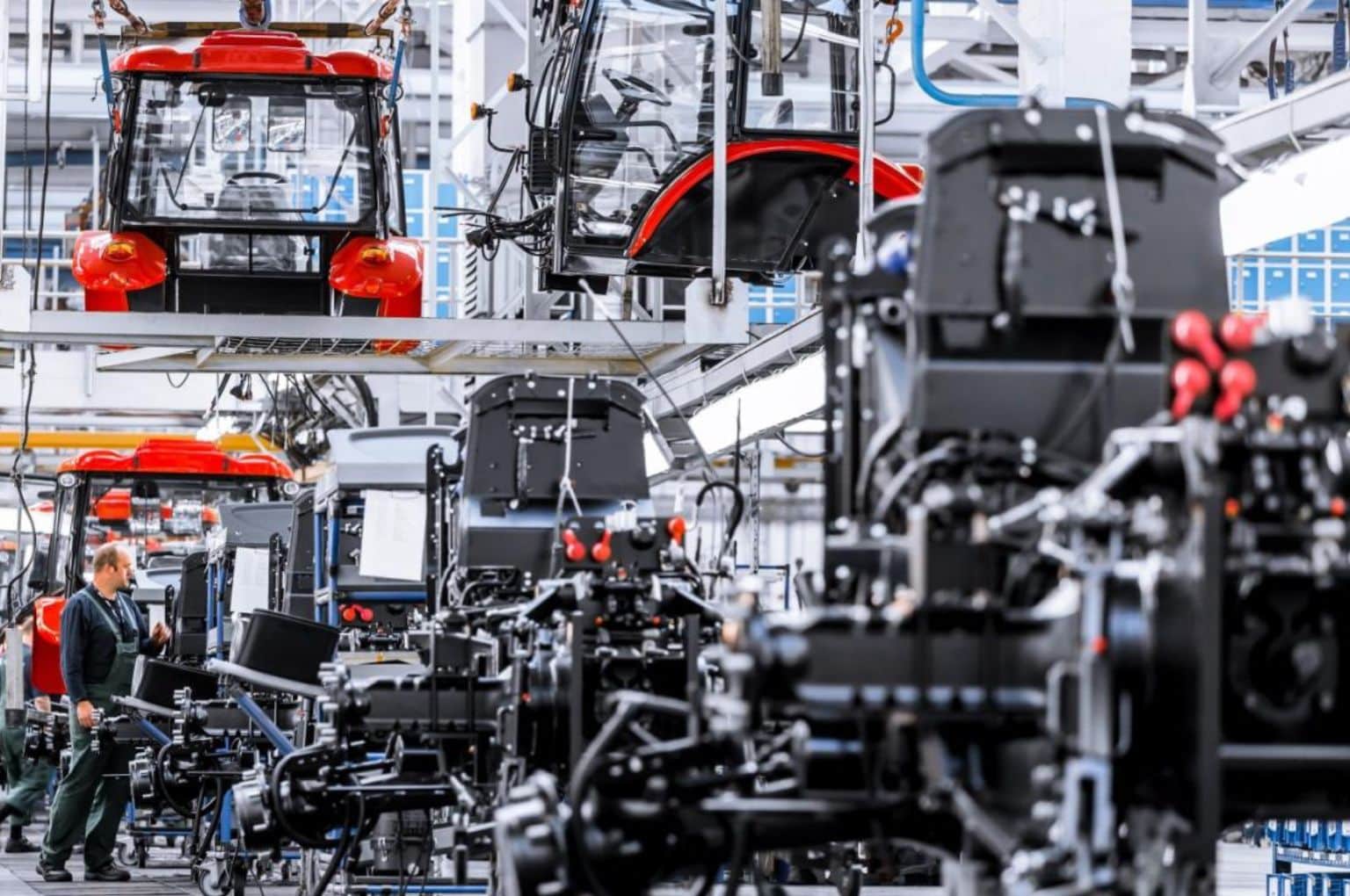
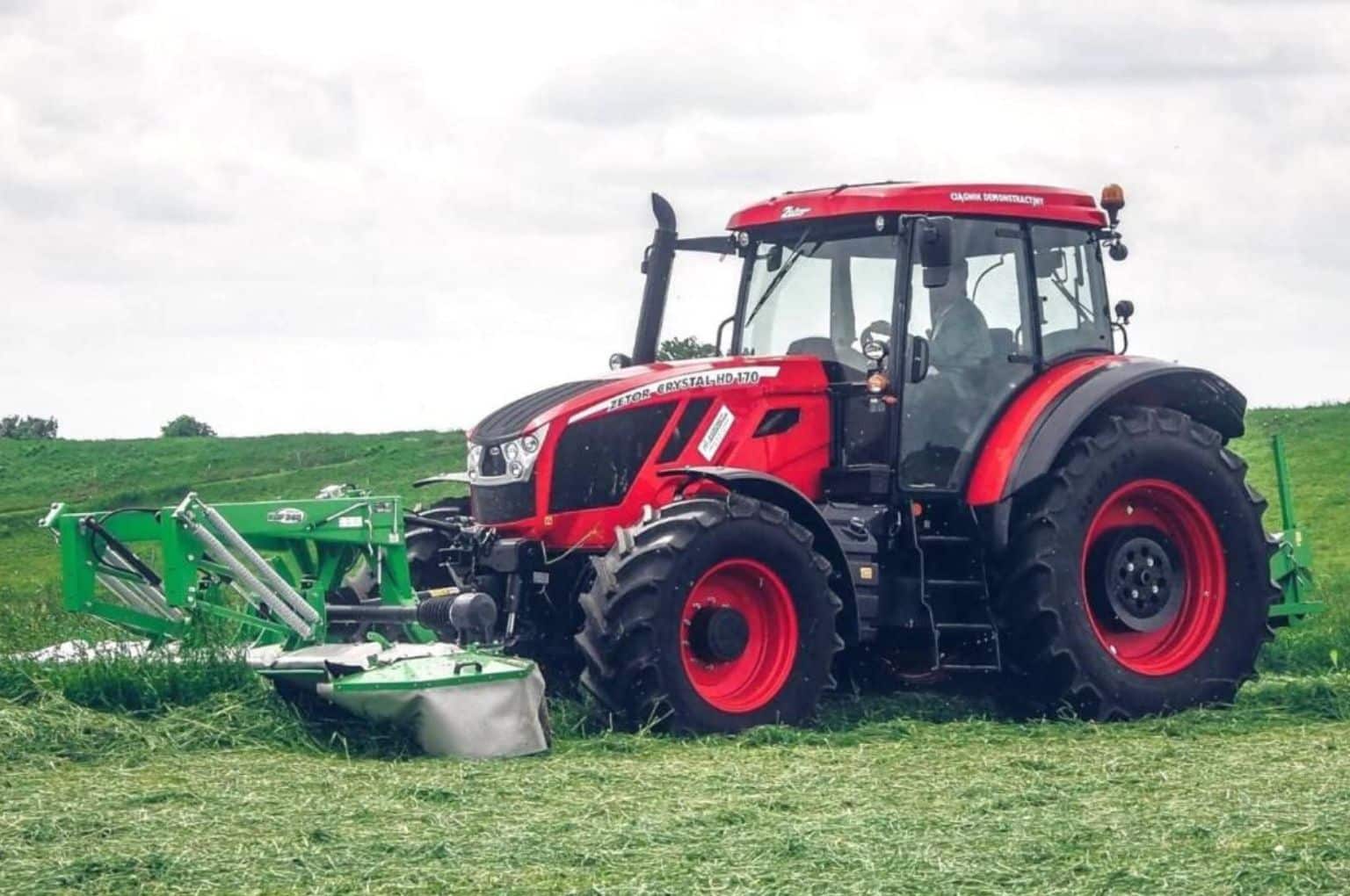
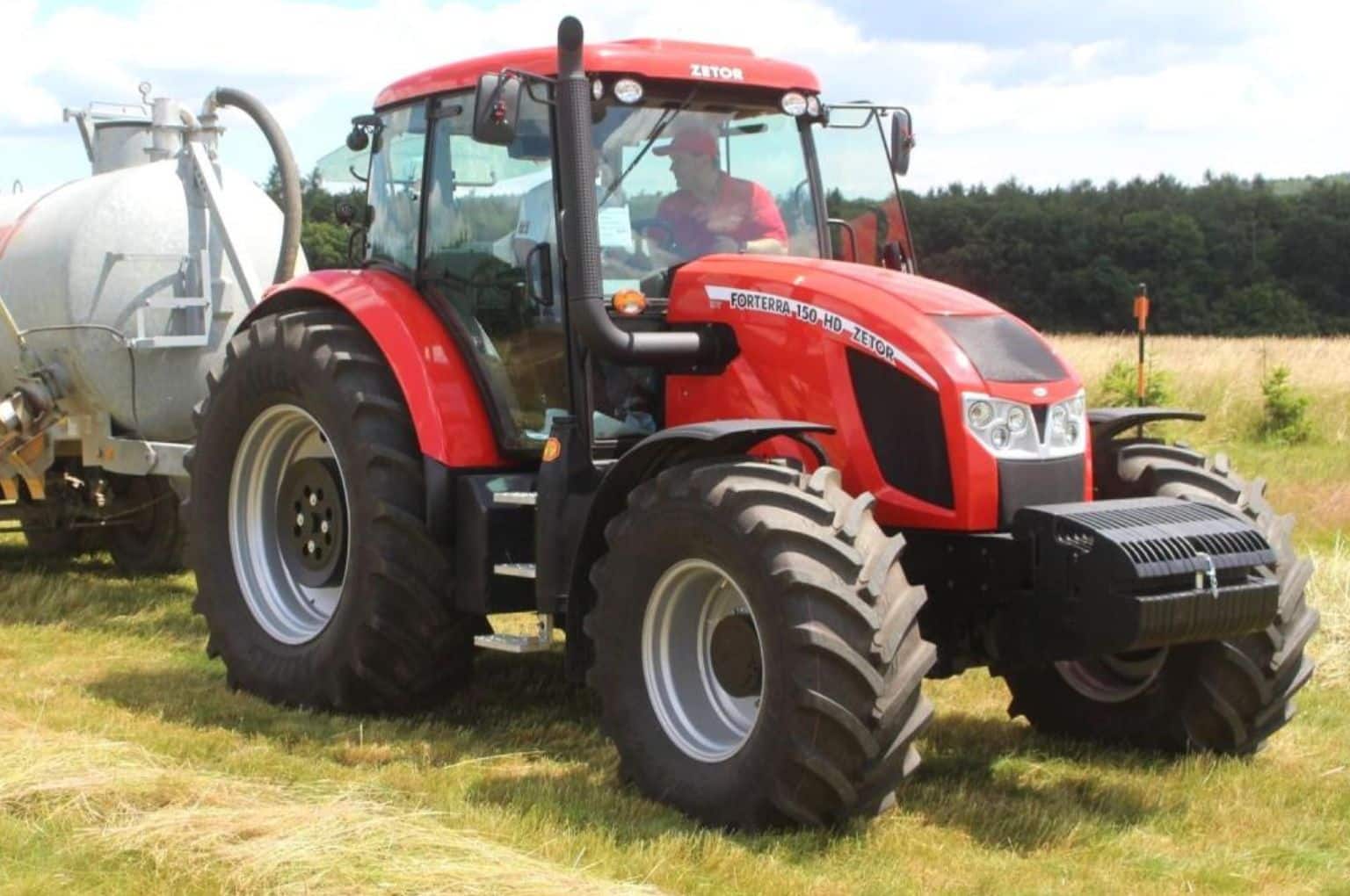
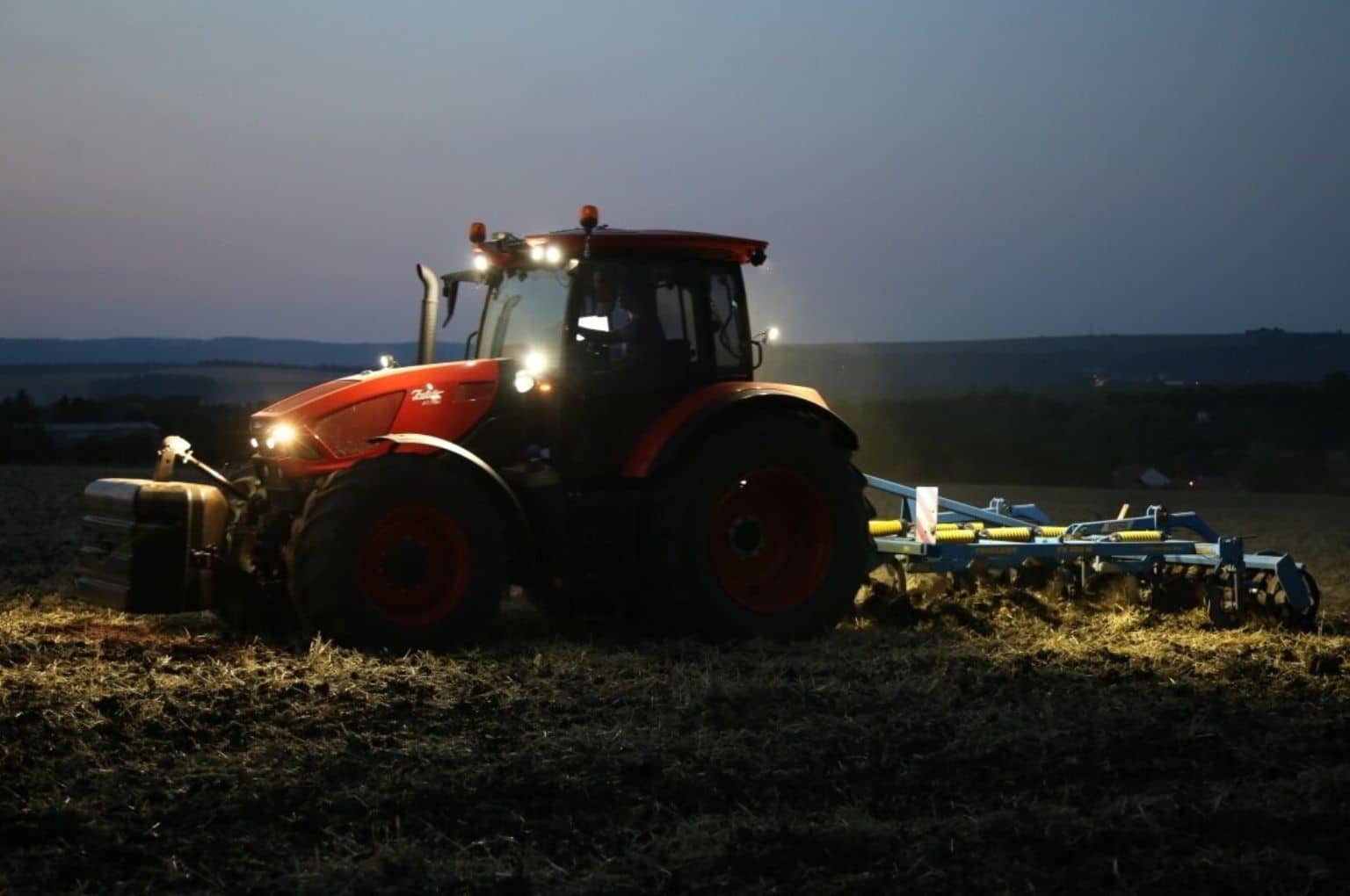
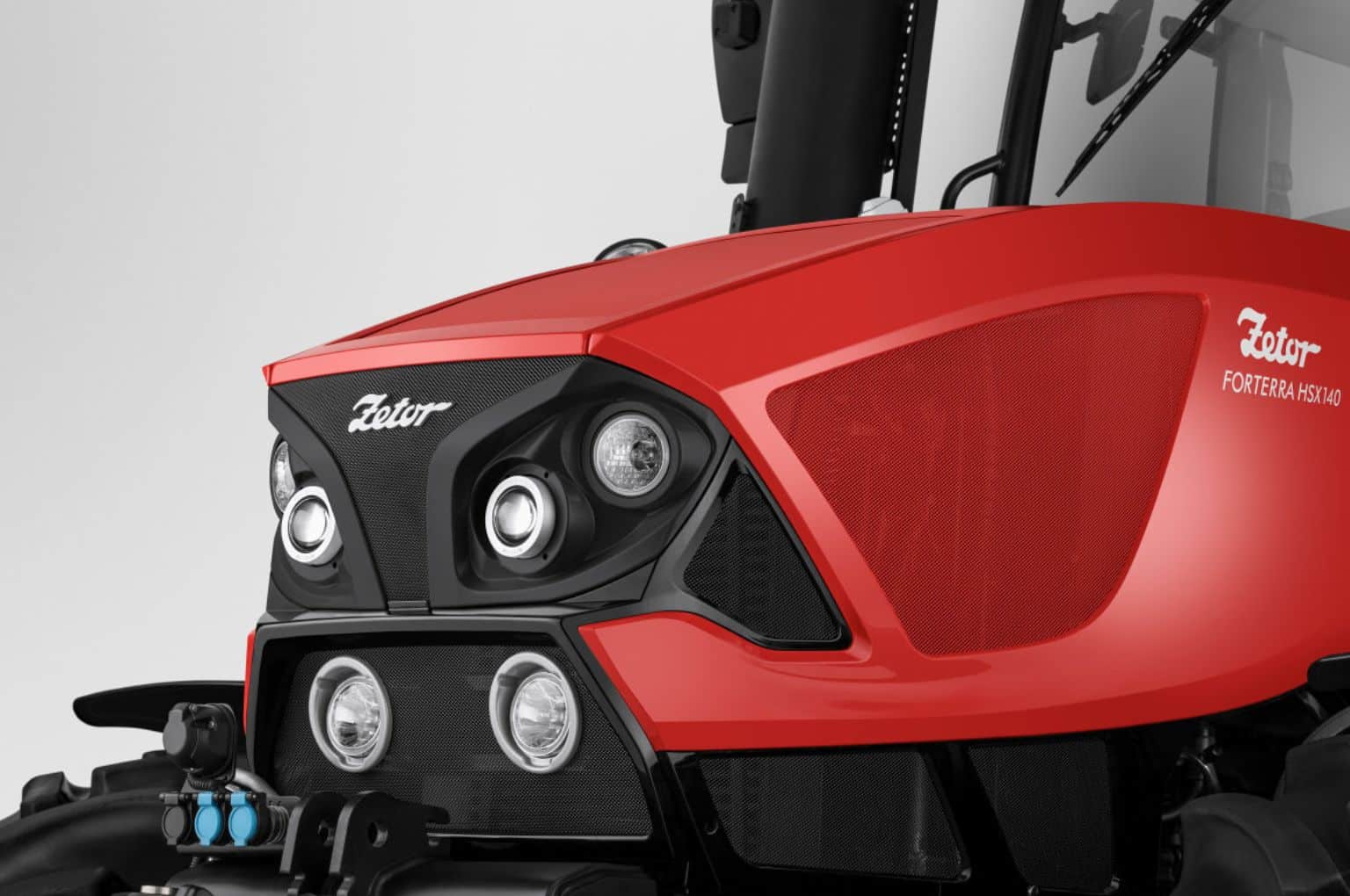
In the year that Zetor Tractors is celebrating its 80th anniversary, the company is ending tractor production in Brno, Czech Republic. Production will continue in India, at Zetor’s JV facility with VST tractors. Zetor is also seeking new production options in China, nearby the major component suppliers. The Czech manufacturer will complete all tractors currently […]
By Redazione
In the year that Zetor Tractors is celebrating its 80th anniversary, the company is ending tractor production in Brno, Czech Republic. Production will continue in India, at Zetor’s JV facility with VST tractors. Zetor is also seeking new production options in China, nearby the major component suppliers.
The Czech manufacturer will complete all tractors currently in production, as well as all contracted orders over the coming months, expiring by the end of the year.
Brno will continue to serve as the headquarters of Zetor’s global operations. The company’s development center will also remain in Brno and will continue to expand in response to demand for new models. Zetor is currently developing two tractor models that will be manufactured in India, one of which will also be launched on the European market next year.
Zetor’s spare parts business is growing in Brno, so the European distribution center for spare parts and tractors will remain there. In addition to providing full support for existing customers, the Brno headquarters will continue to manage the company’s global sales, marketing and financial operations.
“Manufacturing small and medium-sized tractors in Europe no longer makes economic sense under the current conditions. Due to high energy prices, labor costs and, above all, material costs, we are no longer as competitive as we need to be, and we must change the way we operate. This does not mean we are abandoning this tractor segment. Like many of our competitors, we simply will no longer manufacture it in Europe,” explains Róbert Harman, CEO of Zetor Tractors.
Significant cost difference
The main reason is the long-term increase in material costs. Prices of steel, plastics, aluminium and energy for European tractor manufacturers have steadily increased in recent years, while the selling prices of finished tractors have remained at similar levels due to market decline and strong competition. Under these conditions, manufacturing tractors up to 130 HP in Europe has become economically unsustainable across the industry.
The cost difference is significant. Materials in India and China are approximately 30–35% cheaper, resulting in savings of at least 25–30% in the final tractor price, making it impossible for European production to compete. Zetor’s key suppliers, Western European manufacturers of front axles, transmissions, engines and hydraulic systems for small and medium-sized tractors, relocated their production to Asia years ago. Importing individual components back to Europe for final assembly therefore no longer makes economic sense. In addition, both serial production and the launch of new products can be completed in China approximately twice as fast as in Europe, thanks to a highly developed supplier network and the fast-paced work of local engineers.
Brno remains global center
Zetor will continue to develop its engineering, sales and service operations in Brno, including sales, assembly and logistics of spare parts for tractors previously sold to customers. The Brno facility remains the headquarters and global center of Zetor.
Alongside its Indian project, Zetor India, a joint venture with VST tractors, the company is also seeking a manufacturing partner in China and preparing its own production plant in Asia to ensure greater independence in manufacturing.
“The European market for tractors up to 130 HP has fundamentally changed over the past few years, and Zetor must accept this reality, just as all of our global competitors have done. Zetor cannot subsidize production in Europe. We must manufacture where we can generate profits and invest in further development. We have to make this transformation if we want to remain competitive. Since our R&D, sales and marketing remain in Brno however, this should accelerate the development of our product portfolio for the European market.
We are growing internationally, particularly in developing, non-emission-regulated markets across Africa, Latin America and Asia. Brno will continue to manage the sales and distribution of spare parts. These are the segments on which Zetor intends to build its future,” comments Róbert Harman.
Customers around the world
While manufacturing in Europe has become inefficient for Zetor in recent years, the company’s growing international business is particularly evident in the project focused on tractors for non-emission-regulated markets, where revenues are increasing.
“Our goal is to export approximately 5,000 tractors from India within the next five years. The same target applies to China. Just as it has done for the past 80 years, Zetor will continue to deliver tractors to customers around the world, including our domestic markets. We are retaining key components from proven suppliers. These include Carraro front axles, Carraro and ZF transmissions, Mita hydraulics, Fritzmeier cabs, and Deutz and Cummins engines for the European market. These components are already being manufactured in Asia and relocating the entire tractor production closer to these key suppliers enables us to remain competitive in European markets, achieve profitability and generate resources for the further development of the Zetor brand,” Róbert Harman concludes.