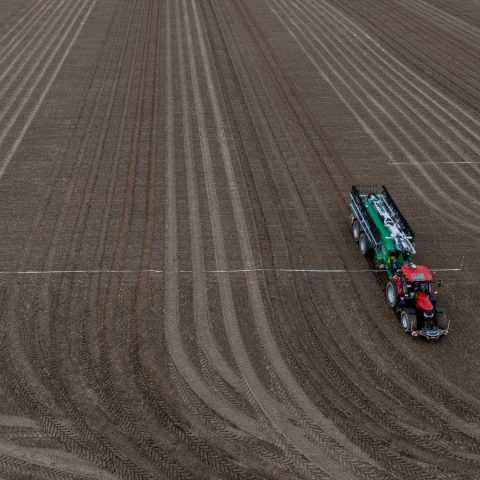
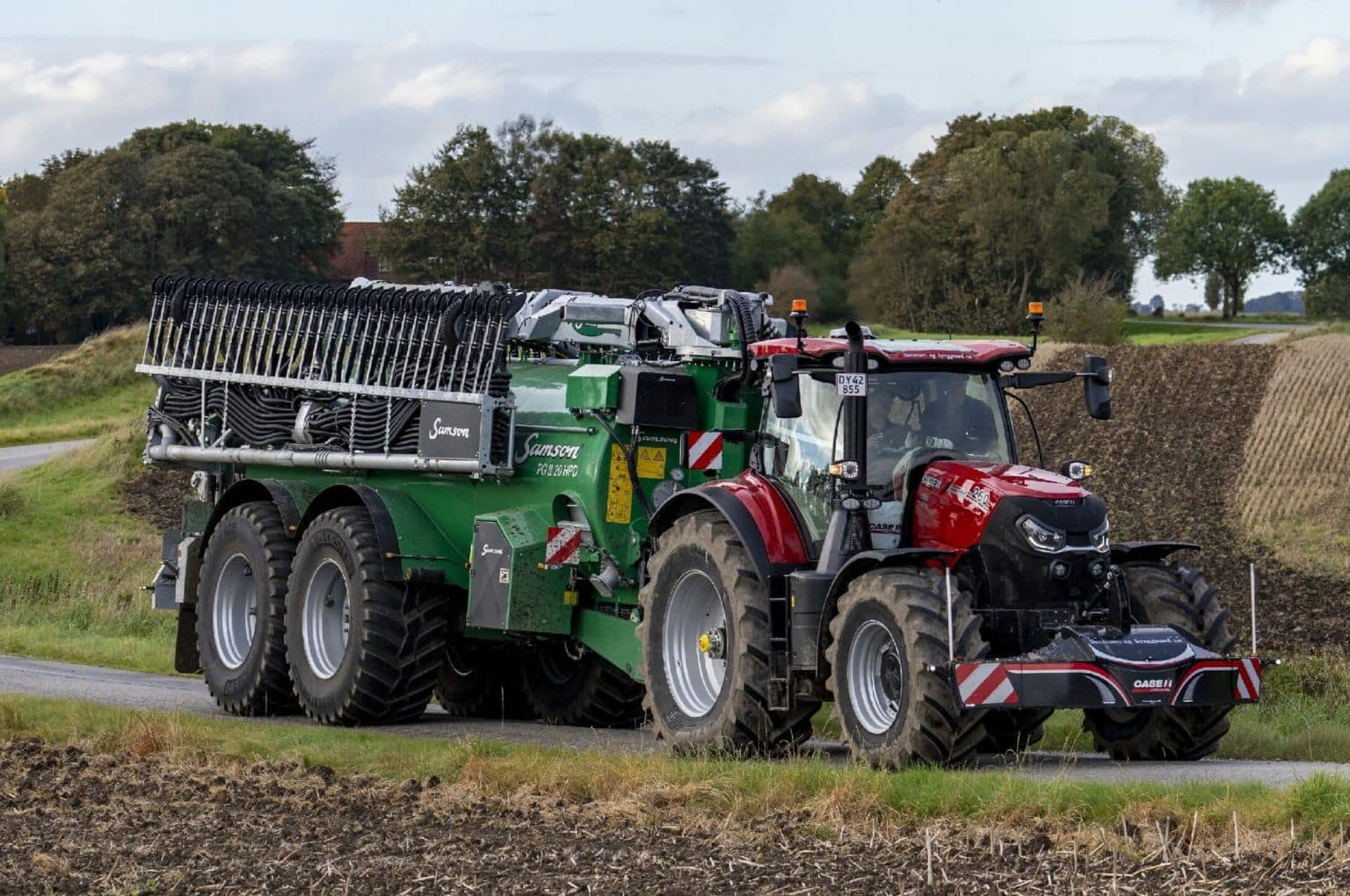
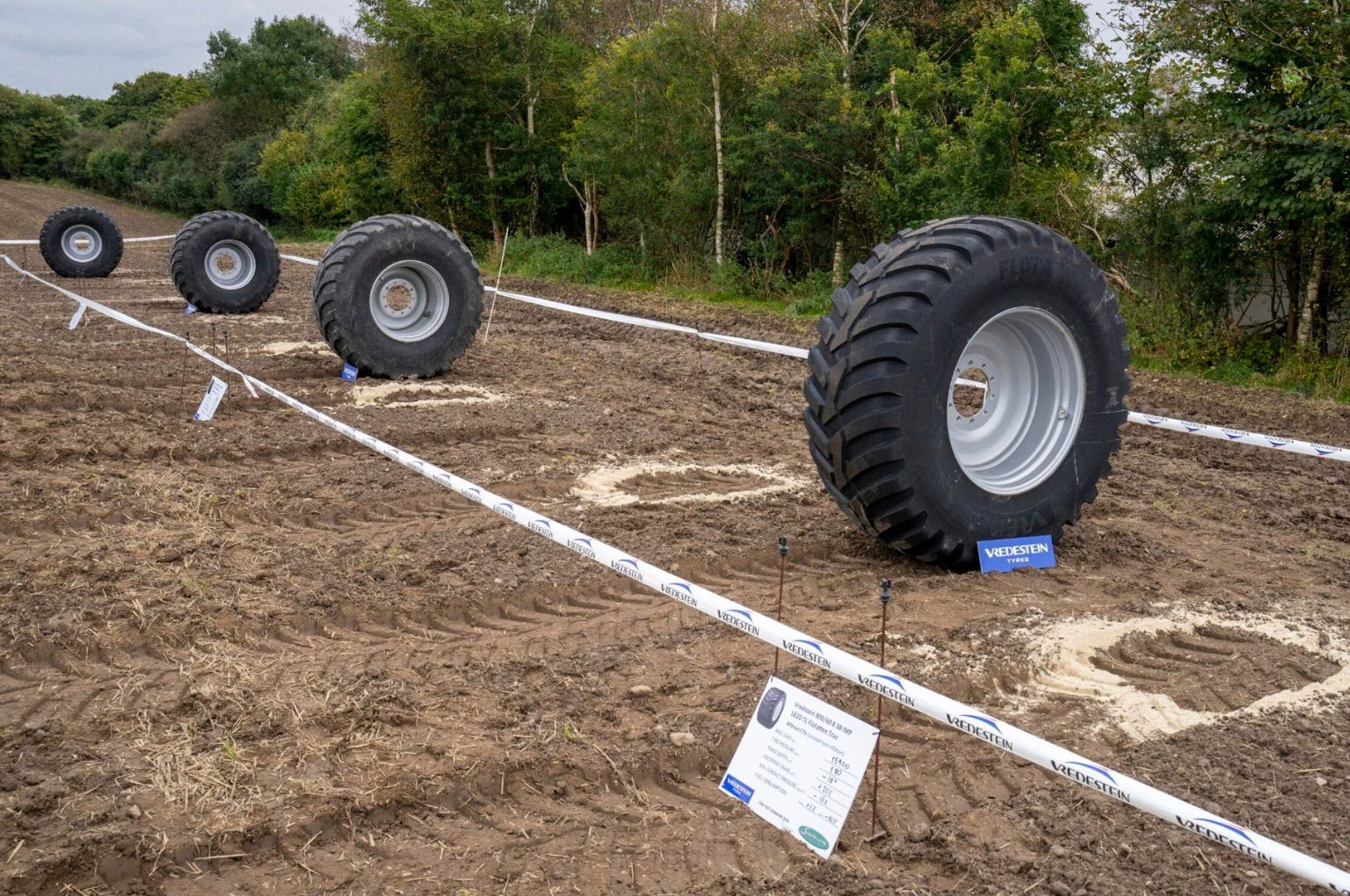
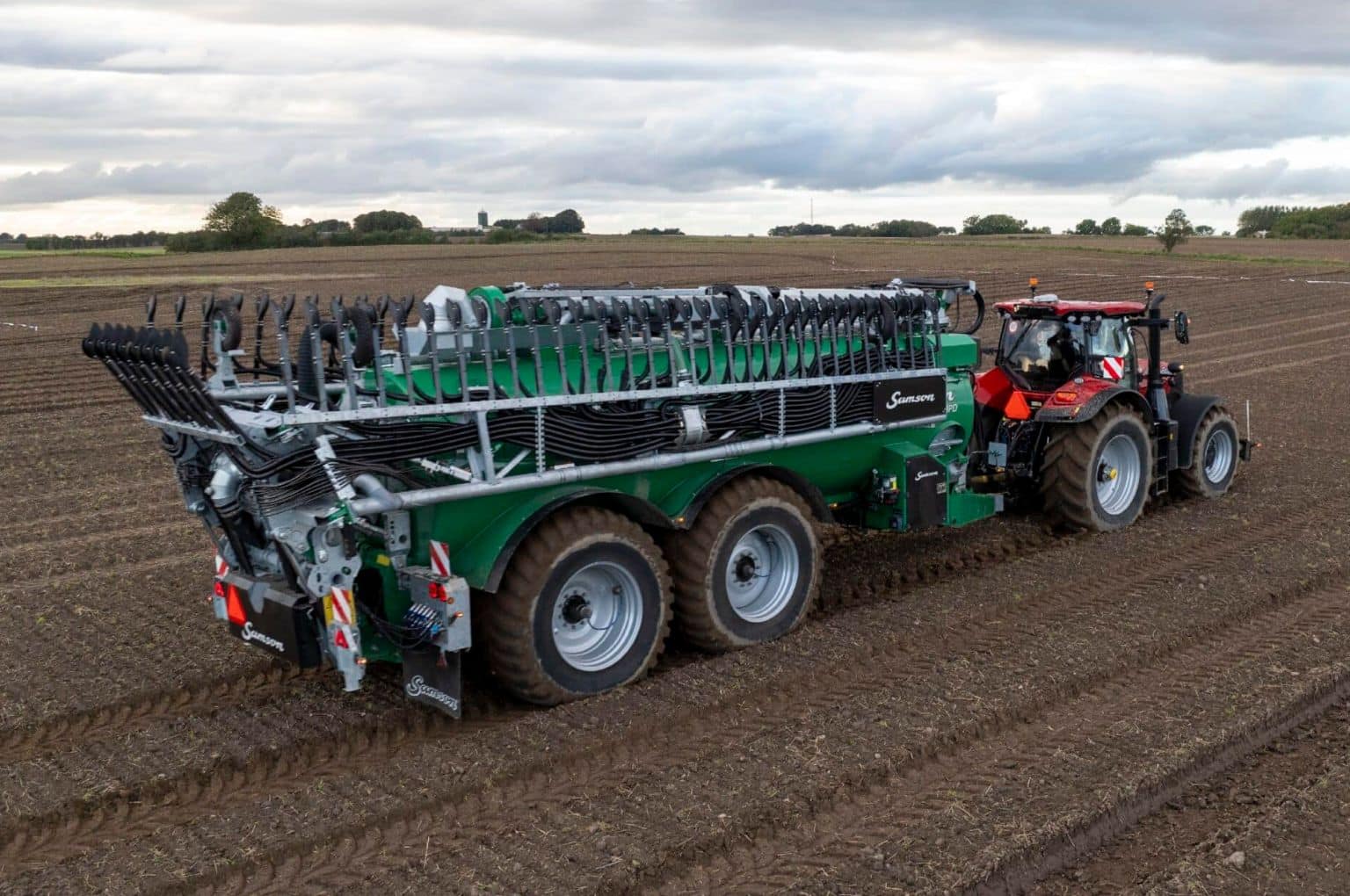
Samson Agro and Apollo Tyres conducted an in-depth tyre test in the Viborg area of Denmark, to explore ways to enhance the efficiency of organic fertilizer handling. This study examined five different sizes of Vredestein slurry tanker tyres, evaluating their impact on fuel consumption, soil compaction, and overall performance under both field and road conditions.

The test was carried out with a Case IH Puma 260 CVX tractor with the Samson PG II Genesis tandem axle slurry tanker and the following tyres:  

– Vredestein Flotation Trac 650/55 R26.5
– Vredestein Flotation Trac 750/60 R30.5 (reference tyre)
– Vredestein Flotation Optimall VF 750/60 R30.5
– Vredestein Flotation Trac 800/60 R32
– Vredestein Flotation Trac 800/60 R38

Diameter effect

The results in the field indicate that upgrading from the smallest Vredestein tyre to the biggest provides substantial gains, with notable improvements in fuel efficiency and reduced soil compaction. Fuel savings of up to 14% were achieved with the largest tyre compared to the reference tyre. Wheel slip reduced significantly (up to 30%) from the smallest tyre to the biggest, although the benefits level-off between the larger sizes. The increased footprint of the larger tyre distributes the tyre load more evenly across the soil, resulting in a soil contact pressure of less than 1.0 bar, which helps to reduce soil compaction and protect the land.

VF vs non-VF

Fuel savings in the field are further strengthened when VF technology is applied, enabling the tyre to adapt flexibly to varying loads and terrain. Fuel savings up to 8% were achieved with the Vredestein Flotation Optimall VF 750/60R30.5 compared to the non-VF reference tyre of the same dimension.

For operations with substantial road travel, the test showed small differences in fuel use. However, the Vredestein Flotation Optimall VF tyre turned out to be the most economical in the tests.

Inflation pressure regulation

The test also highlighted the added benefits of tyre pressure regulation using a central tyre inflation system (CTIS), which adjusts pressure between fieldwork and on-road transport to ensure optimal tyre performance. This feature not only enhances soil protection, but also significantly reduces fuel usage, by up to 10%. Additionally, equipping the slurry tanker with wheel drive significantly minimized track depth up to 16% and reducing soil compaction.

In conclusion, the results emphasize the value of choosing the appropriate tyre. VF technology, wheel drive, and tyre pressure regulation systems further optimize the tyre performance. Wheels with a small diameter can be advantageous with a lot of road transport. Whereas wheels with a large diameter are most advantageous in the field or work with short road transport. These solutions offer clear advantages for both cost efficiency and sustainability, helping farmers and contractors maximise machine performance and avoid soil compaction of valuable farmland.


Highlights

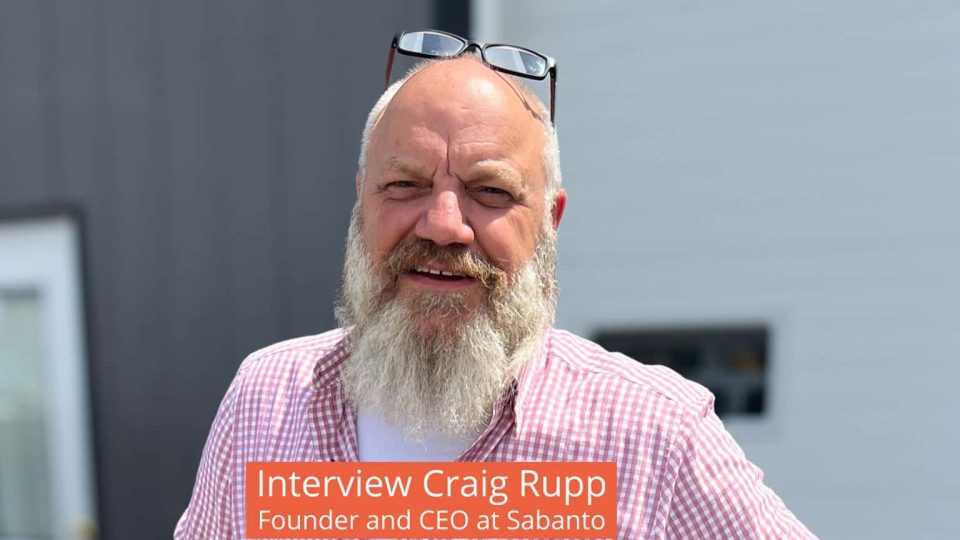
“I wanted to disrupt the industry”

Craig Rupp is a self-made man. The founder and owner of US based Sabanto, has a clear vision on automation in agriculture. “I wanted to disrupt the industry,” he says. And so, he did. Craig developed the Steward retrofit kit, making tractors operate autonomously. It eases the workload for farmers. B...

“Agricultural robots” today at Agritechnica digital

“Agricultural robots” is the first topic in new webinar series on startup technologies, presented in Agritechnica digital. Free-to-attend ‘AgTech’ events explore topics shaping startup innovation scene: robotics, digitalization, circular economy and soil health. Today, 18 January 2022, Agritechnica ...

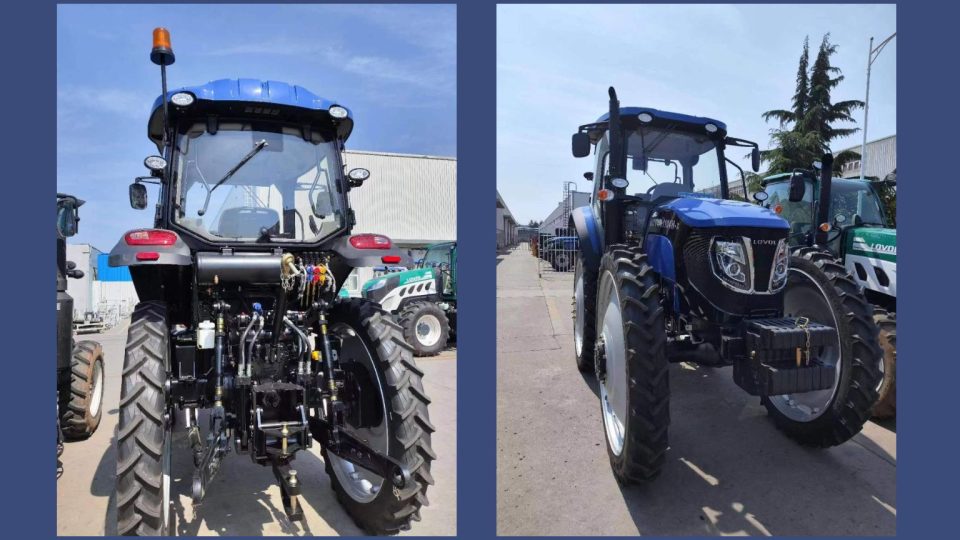
“Cotton King” high clearance tractor

Kazakhstan, Kyrgyzstan, Tajikistan, Uzbekistan and Turkmenistan in Central Asia, are rich in cotton production. In order to meet technological constraints, Lovol launched the high clearance TX1104-H “Cotton King” tractor, specifically designed for cotton production in these countries. Th...

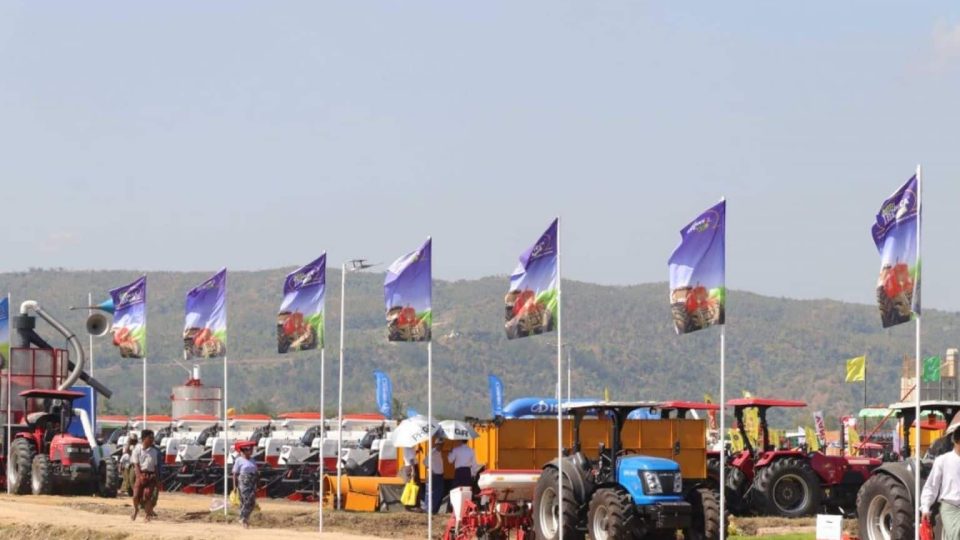
“Agritechnica Asia live” is approaching

From 24-26 August, Agritechnica Asia Live 2022 will be held in Can Tho City, Vietnam. At Agritechnica Live, machinery will be demonstrated in the field. Concurrently there’s an exhibition with a seminar programme. The previous edition was held in Myanmar, which attracted visitors from across South E...

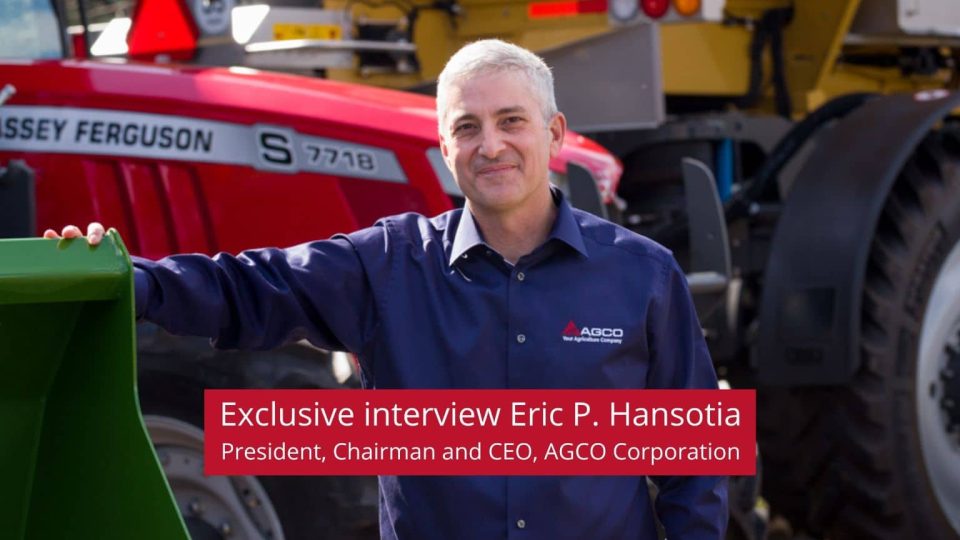
“Let the future begin”

The global ag machinery market is continuously evolving. AGCO aims to be in the forefront of new technology. Serving their own customers, but also mixed fleet operations. With new solutions in precision ag, autonomous vehicles and engines running on clean energy. Always with full focus on the farmer...

Related articles

Steyr advances hydrogen technology

TU Wien, Austria’s leading technology university in Vienna, together with Steyr and other project partners, has launched the HYTRAC hydrogen agriculture research project. This combines a hydrogen-powered tractor with on-farm hydrogen storage and refueling infrastructure, the so-called COMBHY. Object...

Research on low-carbon rice farming

Yanmar Diesel Indonesia, Faeger Co. and IPB University have launched a joint research project in Indonesia to assess the potential of combining Alternate Wetting and Drying (AWD) irrigation with biochar application to reduce greenhouse gas (GHG) emissions and stabilize rice yields. Indonesia is one ...

New Holland training center in Brazil

New Holland and dealership Nova Holanda inaugurated the New Holland training center, located at Cidade do Agro, the new education complex of the University of Agro | Uniube, in Uberlândia (MG), Brazil. The initiative is expected to benefit approximately 8,000 students. In the new center, New Holland...