Smart Farming at Agritechnica 2023
In agriculture, the shift toward digitalization is well underway. Many farms have recognized the benefits and are already using digital technologies. Smart farming solutions help farmers to run the farm more effectively, use resources more efficiently, simplify operations, customize crop production for the local conditions, and, ultimately, make the optimal decisions. Major trends in this […]
In agriculture, the shift toward digitalization is well underway. Many farms have recognized the benefits and are already using digital technologies. Smart farming solutions help farmers to run the farm more effectively, use resources more efficiently, simplify operations, customize crop production for the local conditions, and, ultimately, make the optimal decisions. Major trends in this field will be on display during the upcoming international Agritechnica trade-show, this coming November in Hanover, Germany.
Many farmers have recognized the benefits of digitization and are extensively using digital technologies on their farms, such as intelligent machinery and sensors, as well as farm management systems. Increasingly, digitization is seen as an opportunity for a more sustainable agriculture.
Digital technologies are used in crop production for smart farming and precision farming. Smart farming automates work in the field and lightens the load for farmers, whereas precision farming, as the name suggests, is aimed at the targeted, precise cultivation of agricultural land. Both are ultimately about generating added value by combining and evaluating data.
Sensors for digitization
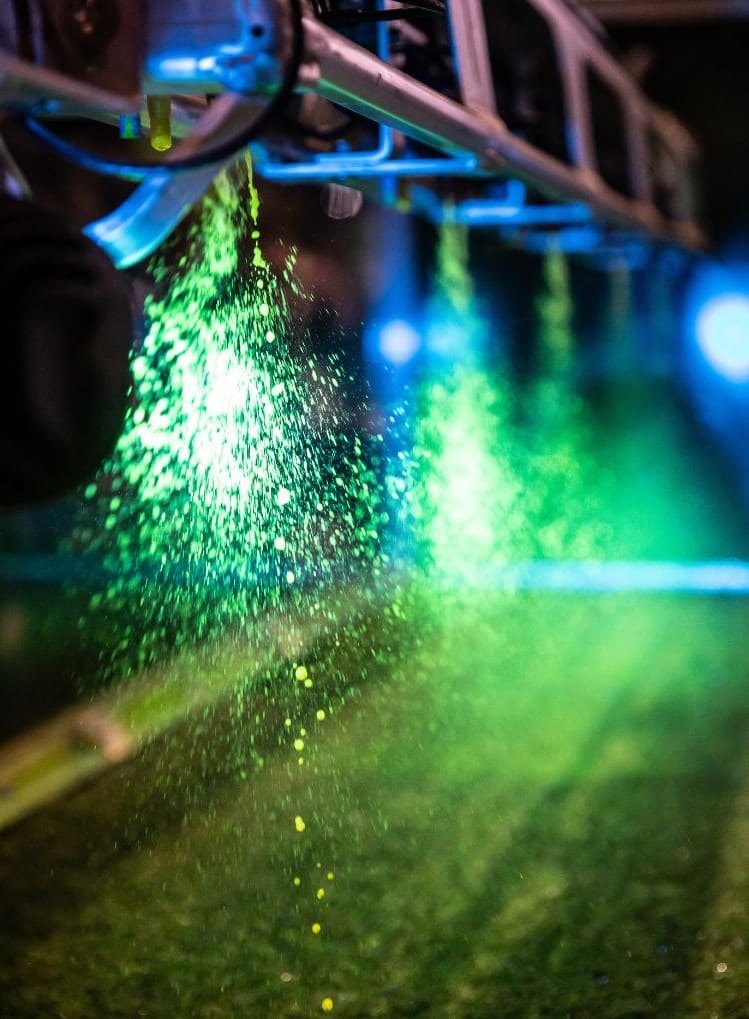
Sensors are the backbone of smart and precision farming. Using satellite imagery to monitor plant populations for nutrient deficiencies and diseases, or cameras to distinguish weeds from crops are just two of many examples already available. Tailored algorithms process the sensor measurements, which are then used to make decisions on crop management, for example, to calculate inputs of fertilizers and pesticides, optimized for the local conditions, analyze soil conditions or control field irrigation.
The most recent progress made in sensor technology will be on display at Agritechnica, which will be held from November 12 to 18, 2023, at the Hanover Exhibition Grounds, Germany, where exhibitors will be presenting their latest innovations, covering a wide range of applications. In addition to advanced sensor technology, the “Smart Farming” spotlight at the trade fair will feature live demos and other smart technology best-practices that optimize cultivation, automatically fulfill documentation requirements and maximize resource efficiency.
Machine operator support
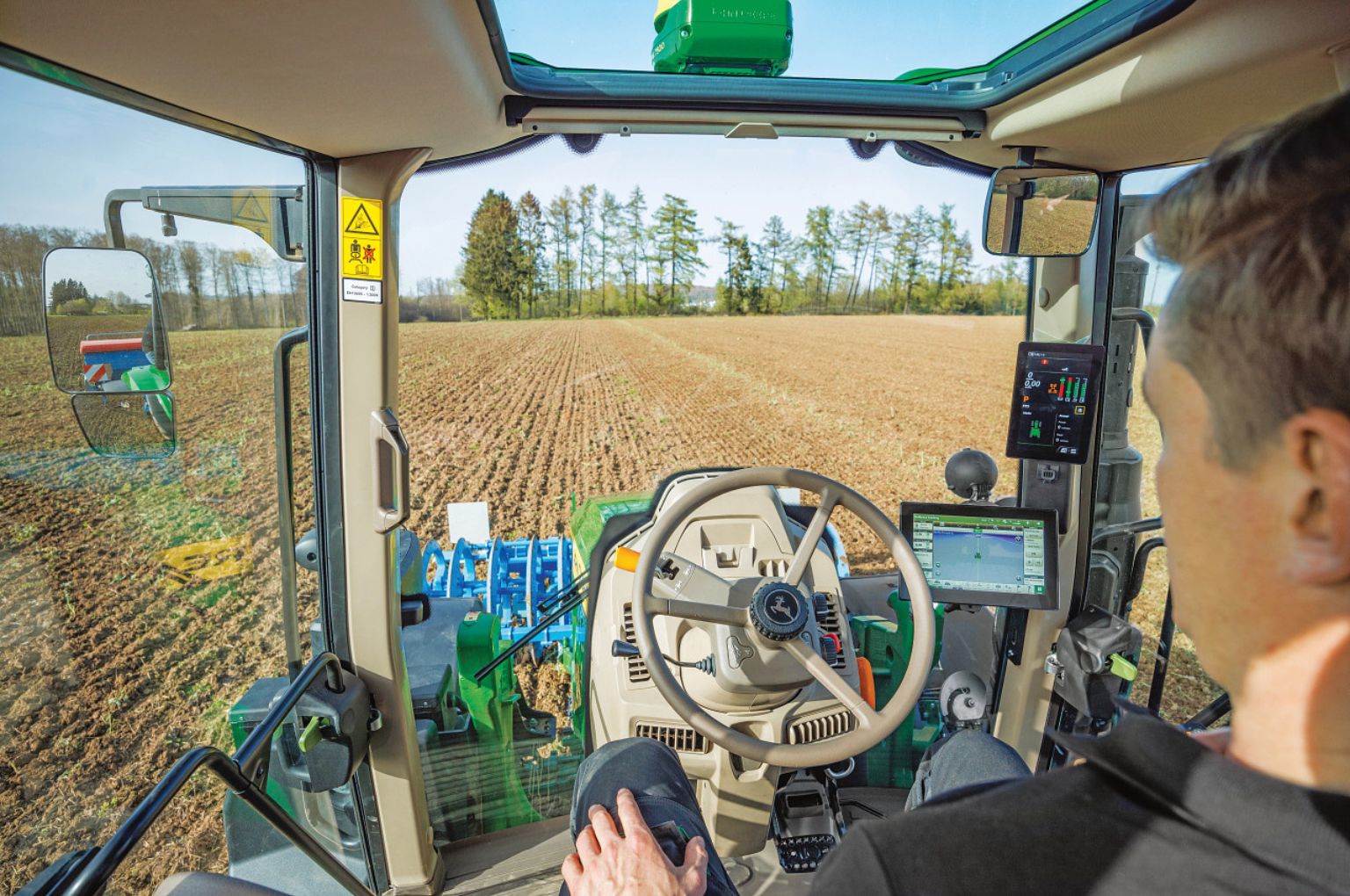
Smart sensors, such as camera and radar, are increasingly being used to relieve the strain on the machine operator driving the agricultural vehicle, supporting activities such as optimized loading of harvesting vehicles and mechanical weeding. Ever increasing computational processing power is leading to higher operational vehicle speeds and corresponding improvements in work performance on the field.
Augmented reality (AR), where a computer-generated image is superimposed on a machine operator’s view of the real world, is also of increasing importance, enabling the driver to make informed decisions without having to shift concentration from the way ahead to a separate monitor.
Despite such support systems, drivers may still experience high levels of stress during periods of intense activity, such as the harvesting season. Systems that monitor the driver’s heart rate and eye movements and look for signs of drowsiness, such as yawning or rubbing the eyes, can alert the driver if needed and even stop the machine if necessary.
Agricultural robots conquer the fields
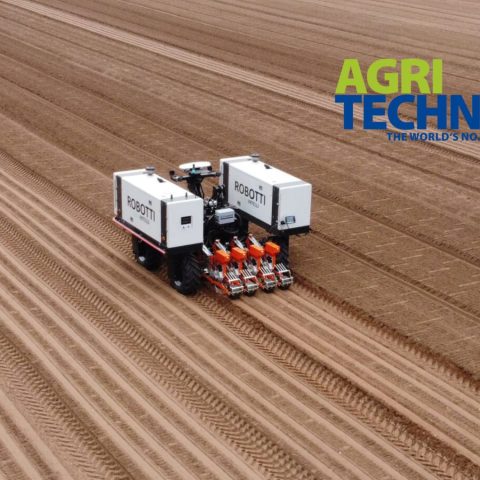
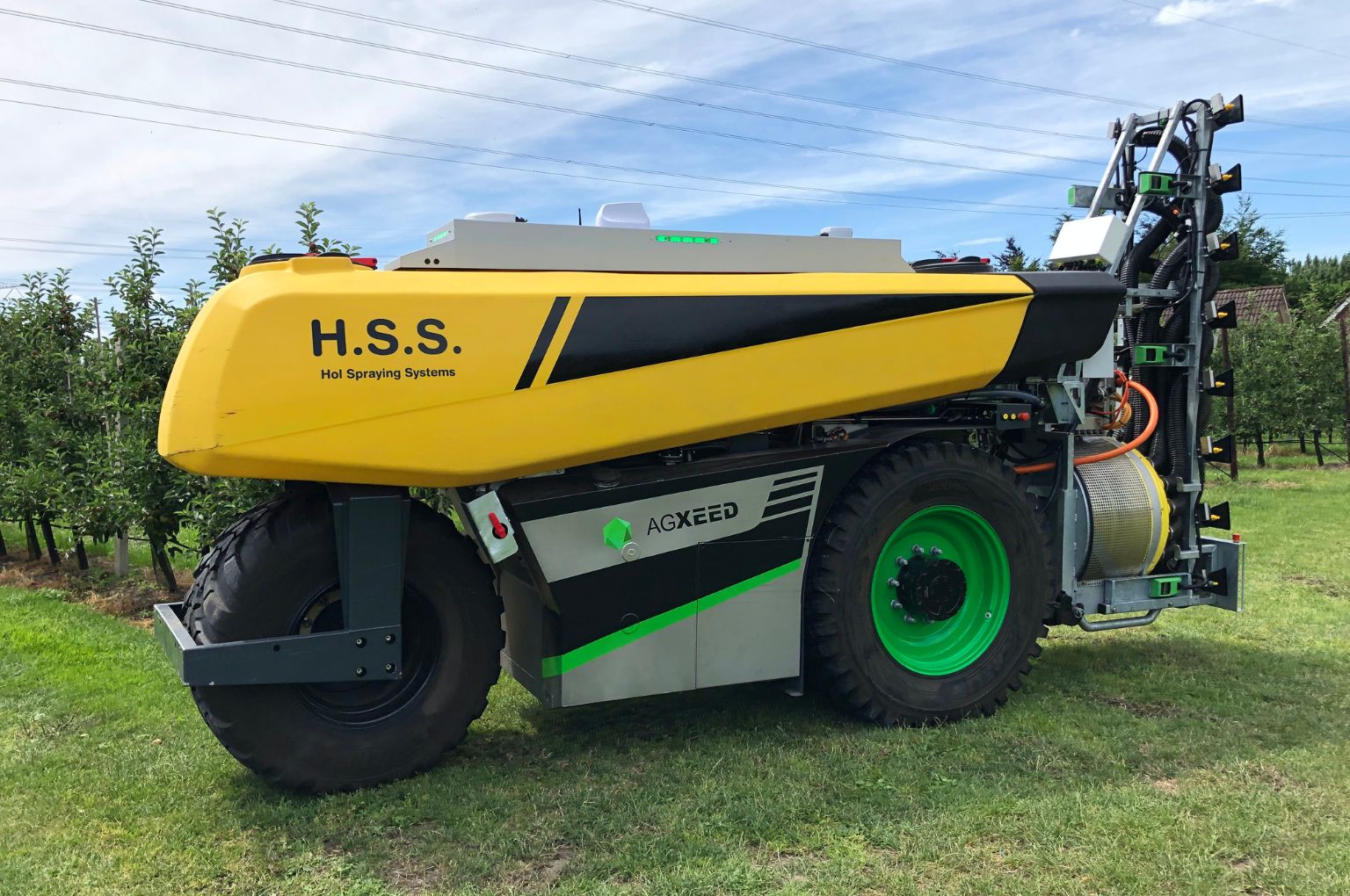
Agricultural robots, sometimes called agribots or field robots, are undoubtedly among the most eye-catching examples of digital agriculture. Increasing numbers of autonomous field robots are performing work, such as sowing, fertilizing, hoeing and harvesting, and, as they do not need a break, they can do this around the clock. Autonomous machines have many advantages. Dramatic savings in farm inputs and working time, alongside improved soil conservation, ensure greater sustainability while lowering costs. In labor-intensive specialty crops, they can compensate for missing personnel. Some questions around safety and liability must still be clarified but their future is as good as certain. Many noteworthy products will be on display in the exhibition halls in Hanover.
Information from the sky
Digitization is not restricted to the ground. The number of drones used in agriculture continues to increase, with their high-resolution onboard cameras providing useful information on soil quality, for disease control and weed infestation of arable land, or valuable insights into plant growth. If equipped with a thermal imaging camera, drones could check for any children or animals in a field before harvesting.
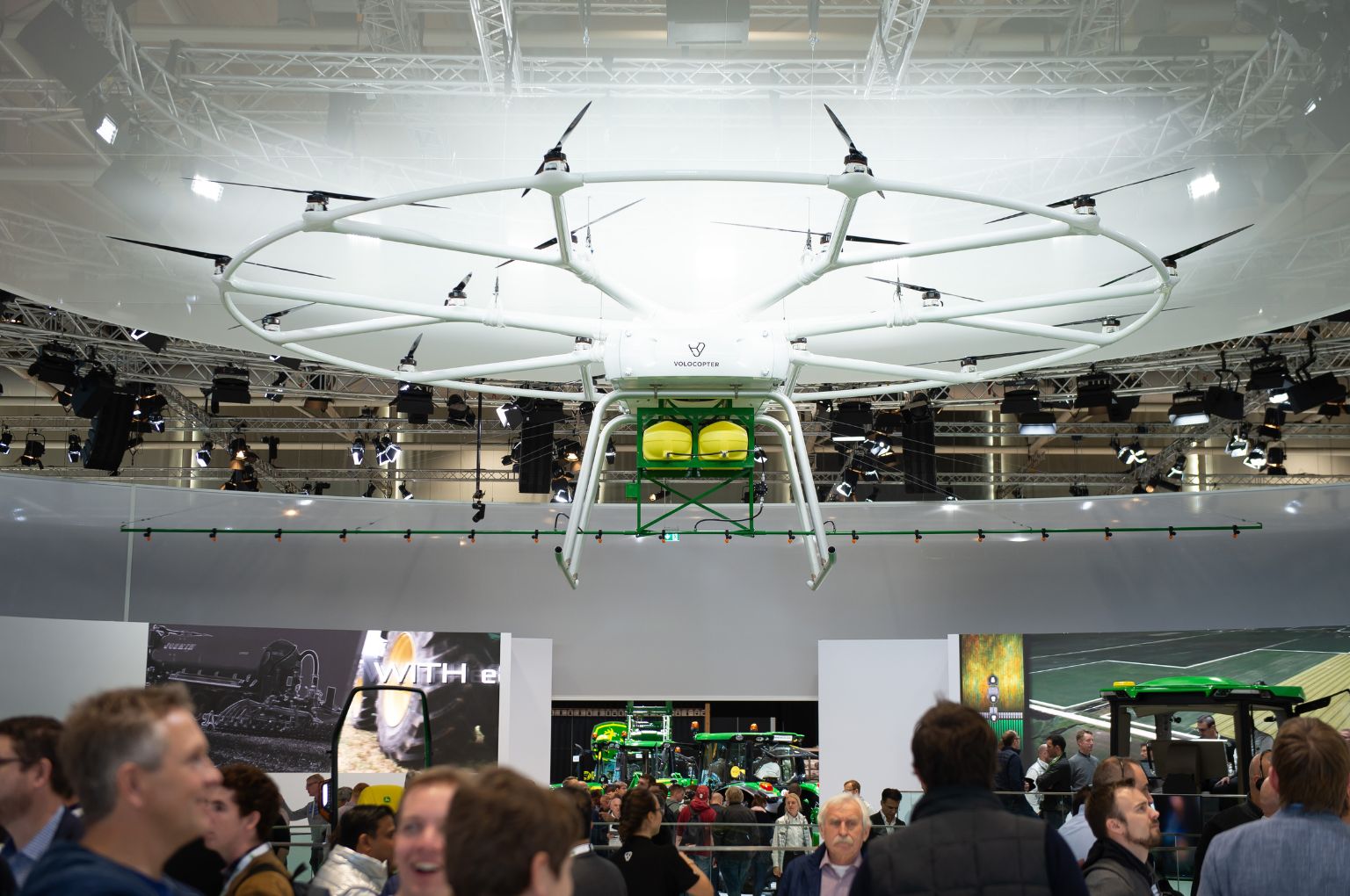
Large drones are now increasingly seen over the steep slopes of vineyards, where they are used for crop protection, saving effort and energy. And in corn fields they are being used to apply Trichogramma pupae over large areas for the control of the corn borer.
Improvements in operational management
Many European farmers regard simplified farm documentation as a digitization benefit. Farm management systems can process data and analyze it in detail for a specific farm, assisting with, for example, crop management decisions and applications for agricultural subsidies, as well as improving farm management.
The overarching aim is to link agriculture with other players in the value chain, thus optimizing the flows of goods and materials. Both upstream suppliers of machinery and farm inputs, as well as downstream sales and trade could benefit. A smooth exchange of data between the management systems of farmers and government would also be desirable but many government IT systems lack the necessary open interfaces, preventing digital data transfer.
Interoperability must improve
Farms are not single-branded with machinery and implements typically coming from a variety of manufacturers but only the most simple communication between tractor and implement via ISOBUS, the automation network on agricultural machinery, works smoothly. The implementation of more complex networked functions in such a hybrid environment is significantly more challenging and manufacturers’ proprietary systems can make smooth data exchange difficult. According to a Bitkom survey, more than half of German farmers therefore see interoperability as one of the biggest obstacles to digitization in agriculture.
“Many sensor based systems, like the popular ‘nitrogen sensor’, come with their own software and, while each system is easy to install and use, there is no overall data platform that pulls all of the results together for a simple overview. This means the farmer has to access each system individually, which not only often takes time but also does not give the farmer the chance to see all the data together,” says Florian Schiller, project manager digital agriculture, International DLG Crop production Center.
The DLG (German Agricultural Society), Agritechnica’s organizer, is part of an international team in the EU-horizon project “Agricultural Interoperability and Analysis System” (ATLAS), to develop an open interoperability network to enable any system to provide or retrieve data simply.
Network coverage is an issue
Mobile network coverage remains a problem in many rural regions. Digitization requires nationwide, high-performance coverage, in particular because the volumes of data to be processed online and accessed in real time are increasing all the time. Lack of connectivity prevents communication between the machinery and with the farmer, thus limiting the benefits of digitization in many places.
The increasing collection, storage and analysis of information often results in considerable amounts of data, which can only be meaningfully processed using so-called “Big Data” analysis, the combination and evaluation of which support farmers in making the right strategic (long-term) and operational (short-term) decisions. Prerequisites for this are, however, robust wireless networking and access to sufficient cloud resources.
The potential of Artificial Intelligence
Artificial intelligence (AI) is currently the trending topic. Although AI is sometimes controversial, self-learning systems can be of great benefit to agriculture. Machine learning algorithms can use years’ worth of farm data to make farm operations more transparent. The keys to success, tailored to a specific farm, can then be derived, leading to better decisions. As an example, plant diseases, weeds or pests may be detected earlier or forecast, depending on weather, location and other factors. New developments can be seen in Hanover this year.
Hotspot for Smart Farming
Agriculture is a digitization pioneer. Suitable solutions can be profitable, for large and small farms alike. Many digital solutions are already in use on farms today, making farming more efficient and sustainable. The global market potential for such systems is huge, and farmers are ready and willing to make the switch.
Agritechnica, is an ideal venue to find out about the latest technologies and developments. A visit to the “Smart Farming” spotlight in Hall 9, covering automation and connectivity in agricultural production, is a must, where exhibitors will be presenting their smart farming solutions for greater efficiency and sustainability. The broad and comprehensive range of exhibits makes Agritechnica 2023 an important venue for future-oriented farmers.