Samart engines HVO compliant
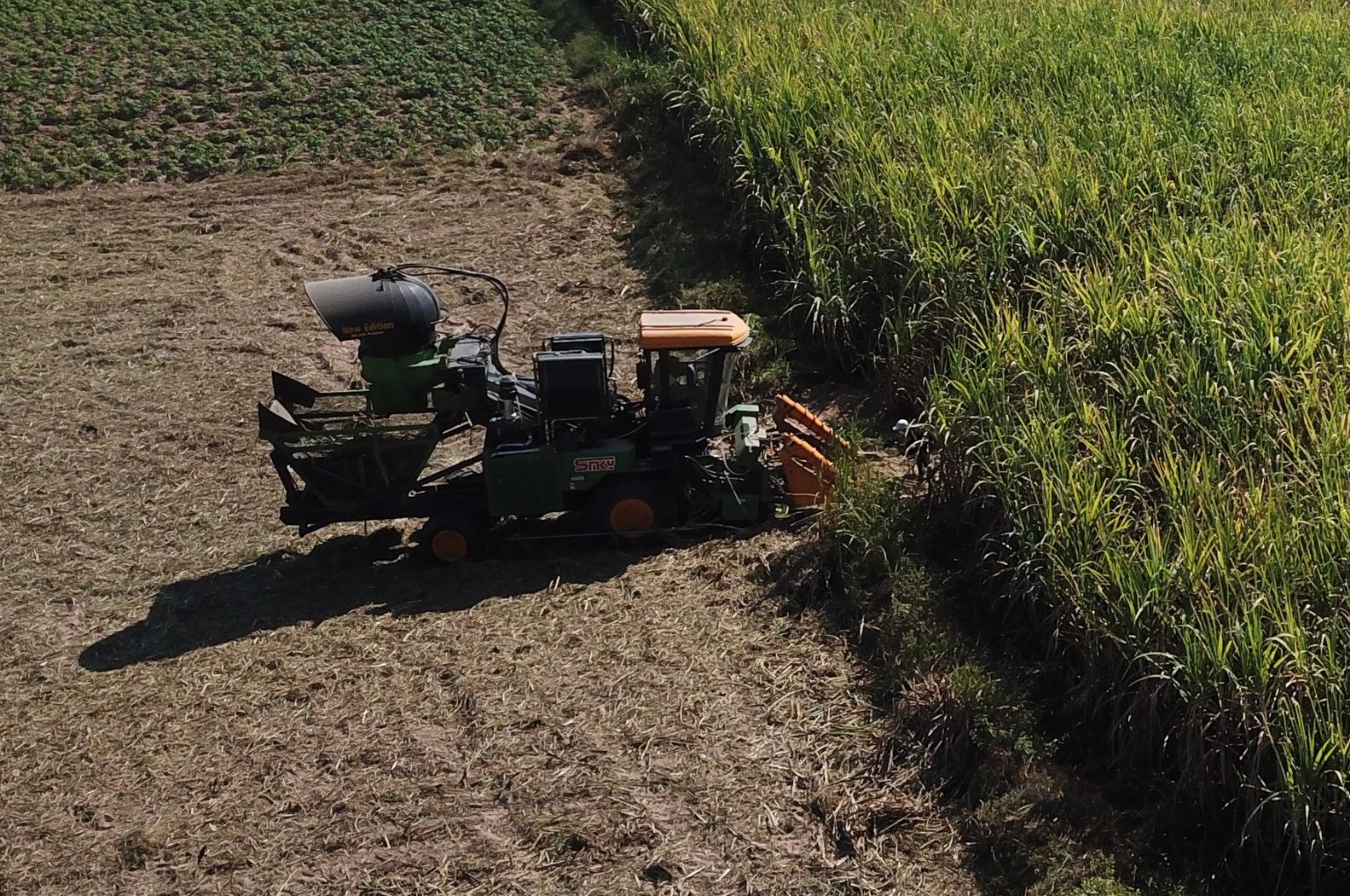
Samart Kaset Yon from Thailand is a specialized manufacturer of sugarcane harvesters with a strong presence in SE Asia. They understand the need to contribute to minimizing the carbon footprint. Hence their harvesters are from now able to run on HVO fuel. Governments are pushing towards decarbonization in agricultural machinery, and as is common […]
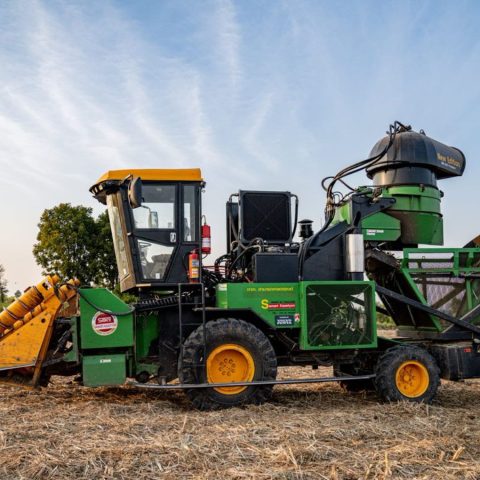
Samart Kaset Yon from Thailand is a specialized manufacturer of sugarcane harvesters with a strong presence in SE Asia. They understand the need to contribute to minimizing the carbon footprint. Hence their harvesters are from now able to run on HVO fuel.
Governments are pushing towards decarbonization in agricultural machinery, and as is common in such initiatives, automotive developments are being used as the template.
Whilst it is known that electric vehicles exist throughout the world, and that split hydrogen is being considered to generate electricity to power trucks, these concepts are embryonic and largely impractical for many applications which currently use diesel engines. “There are simply too many negative elements involved in a complete change of drive concept” opines Srinaul Leethirananon, Samart’s Operations Director.
“There are many ways to address the lowering of harmful emissions, and the most effective route, even in the medium term, will not come from electrification. We need to work a little bit harder on our current designs if we are to help farmers reduce pollution”.
Prior to the corona pandemic, Samart embarked on a program to revise their engine usage to be more “in line” with western thinking “instead of just installing any engine”, explains Leethirananon. “We studied engines that not only fulfilled our power criteria, but also gave environmental advantages”.
Now, post pandemic, even though there are no emission regulations in Thailand, Samart machines are fitted with emission compliant engines that have improved CO2, PM and NOX emissions with substantially lowered fuel consumption. With the introduction of the engine in their Superspeed II machine, the new engine will appear throughout the Samart range. “Our aim was to set an example that we hope our governments will follow” she explains further.
“We wanted to show that with little effort a meaningful step can be taken towards a greener future. For this reason, we had asked our engine supplier to give an approval on alternative fuels, which had been one of our criteria from the outset. We are very pleased to confirm that all of our machines can now be fueled with the low emission alternative diesel fuel HVO (Hydro-treated Vegetable Oil) which potentially pushes emissions down even further. “
In addition, Engineering Technologist Mr Philip Pope comments: “The introduction of bio fuel compatible engines on our Superspeed II is a big step forward. Farmers can run the machine on regular diesel or the second generation biofuel HVO without any modification. We hope to work with fuel suppliers in our region to help them respond to this opportunity. This truly gives our customer the tools to continue business, and the chance to make a difference to air quality for the future”.
From 2024 model year, HVO compatible engines will be available on Samart SM200C, SM200 Predator and the SM200 Superspeed (2).