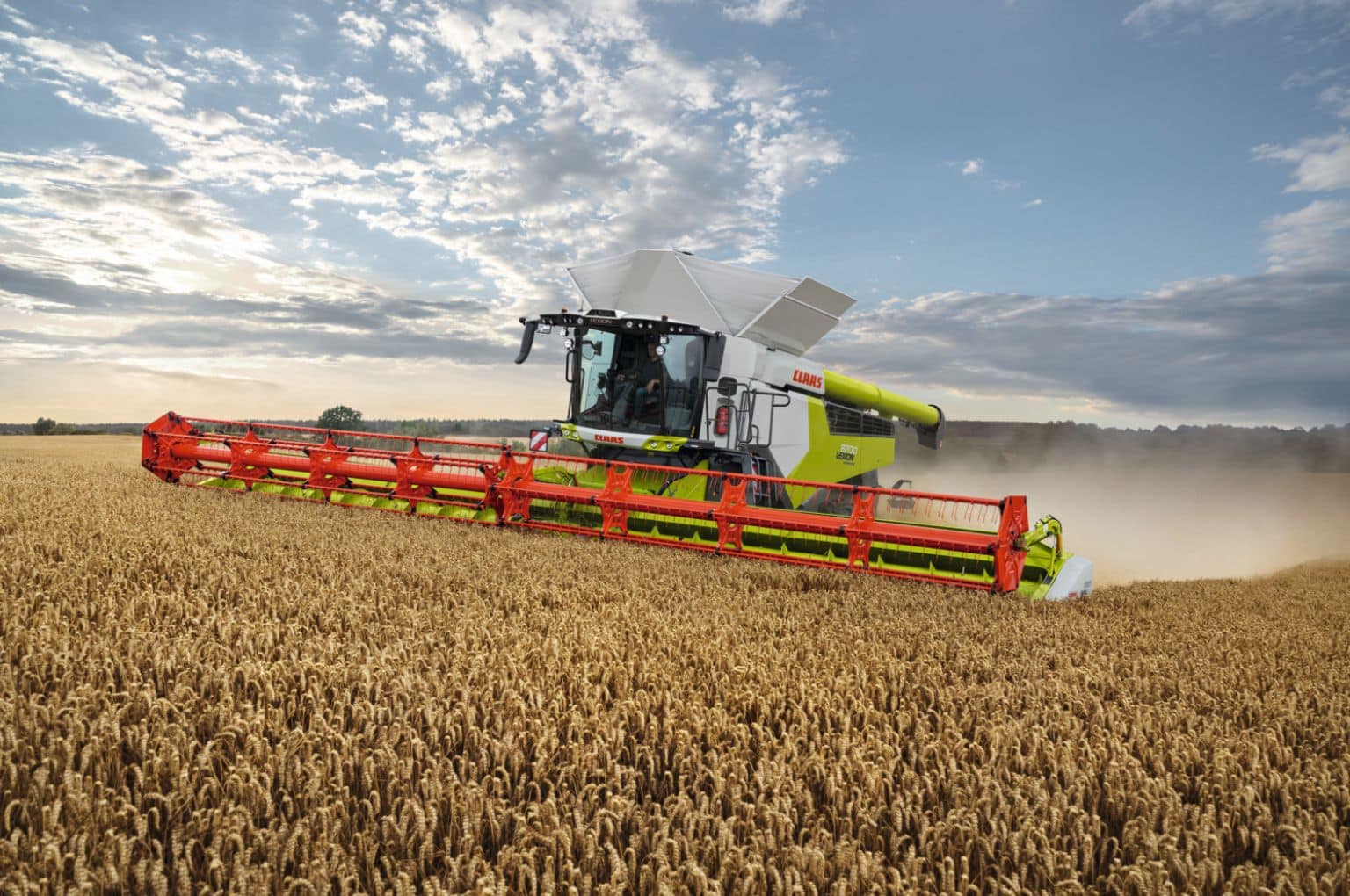
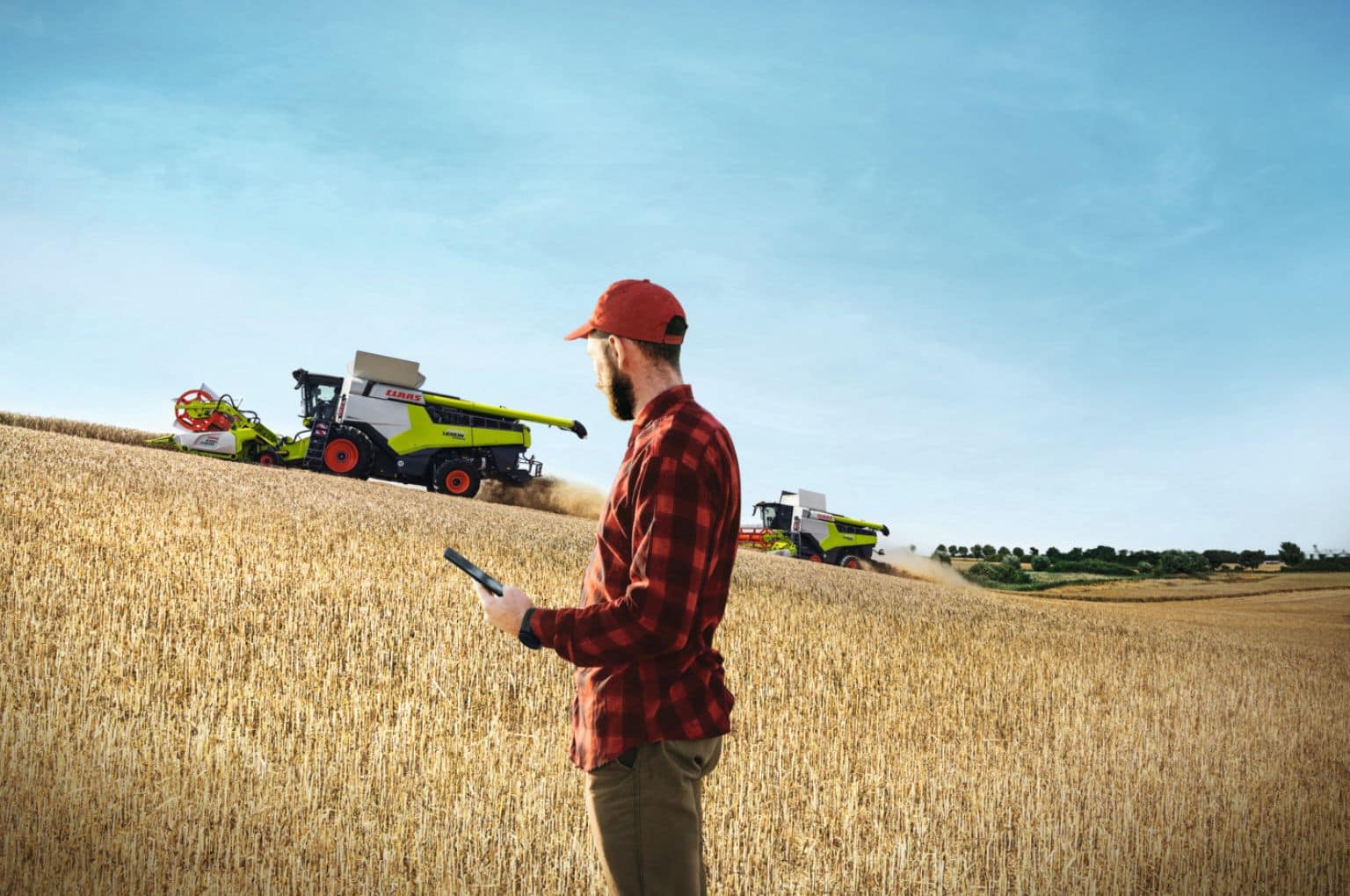
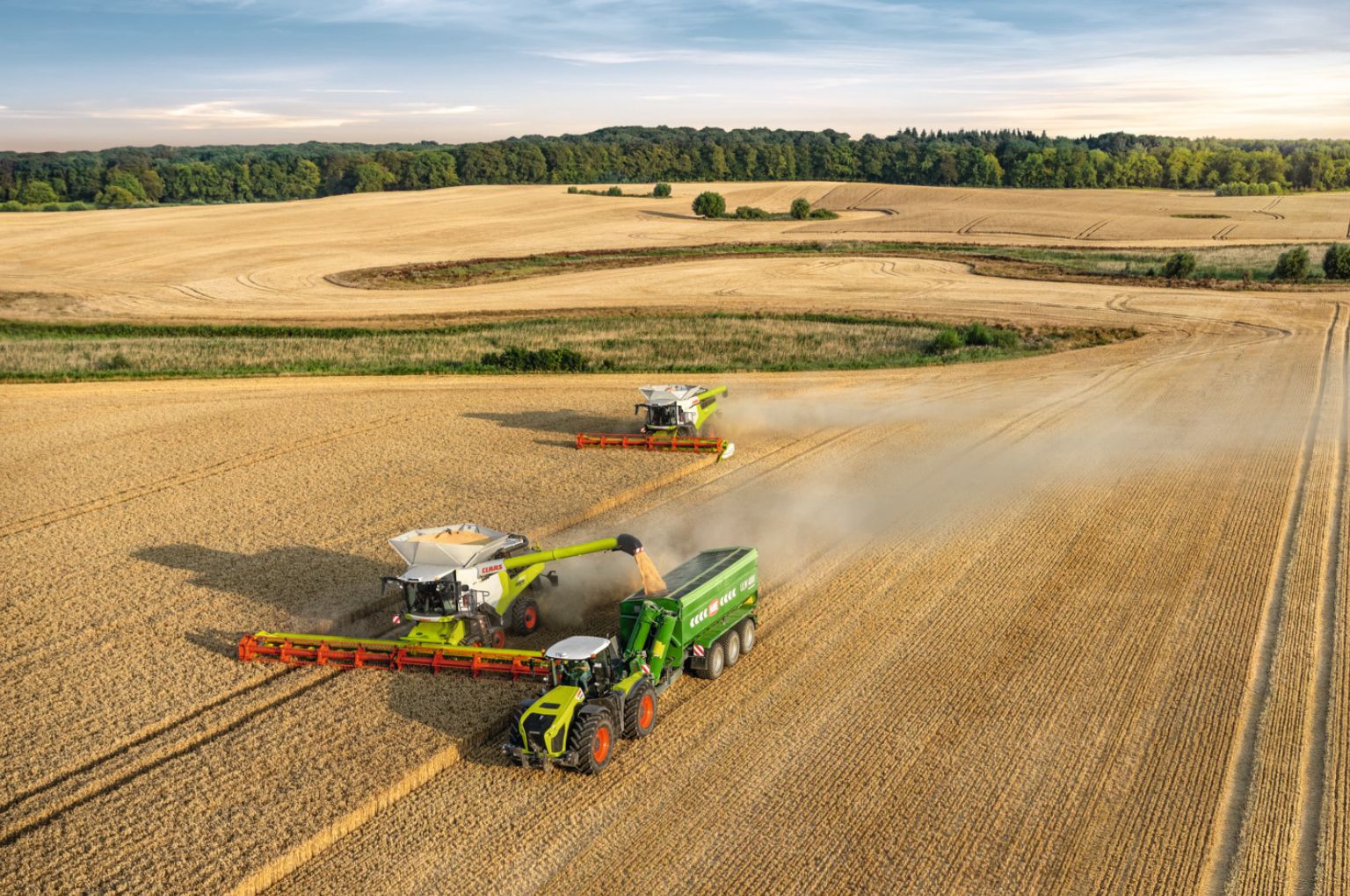
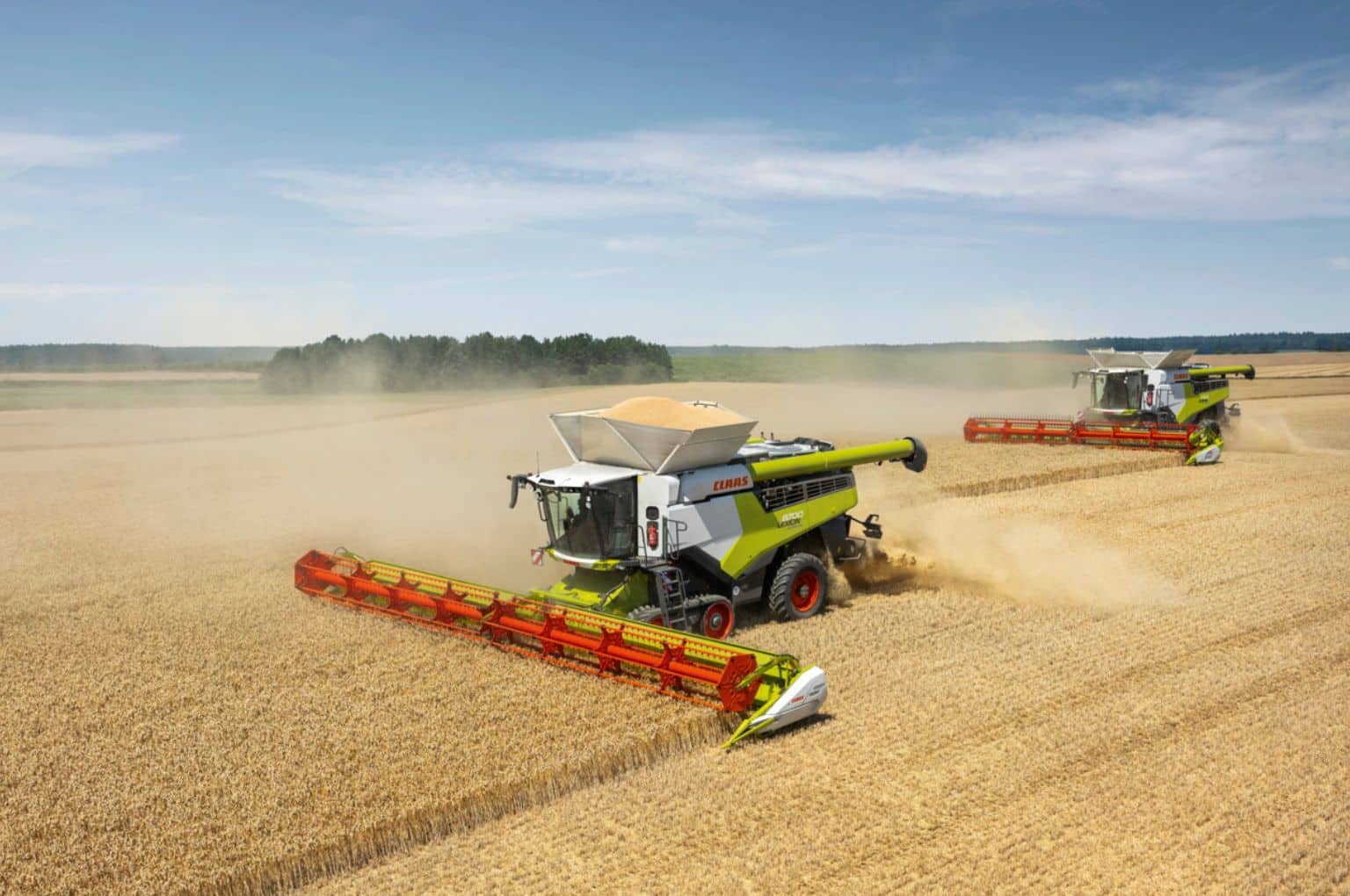
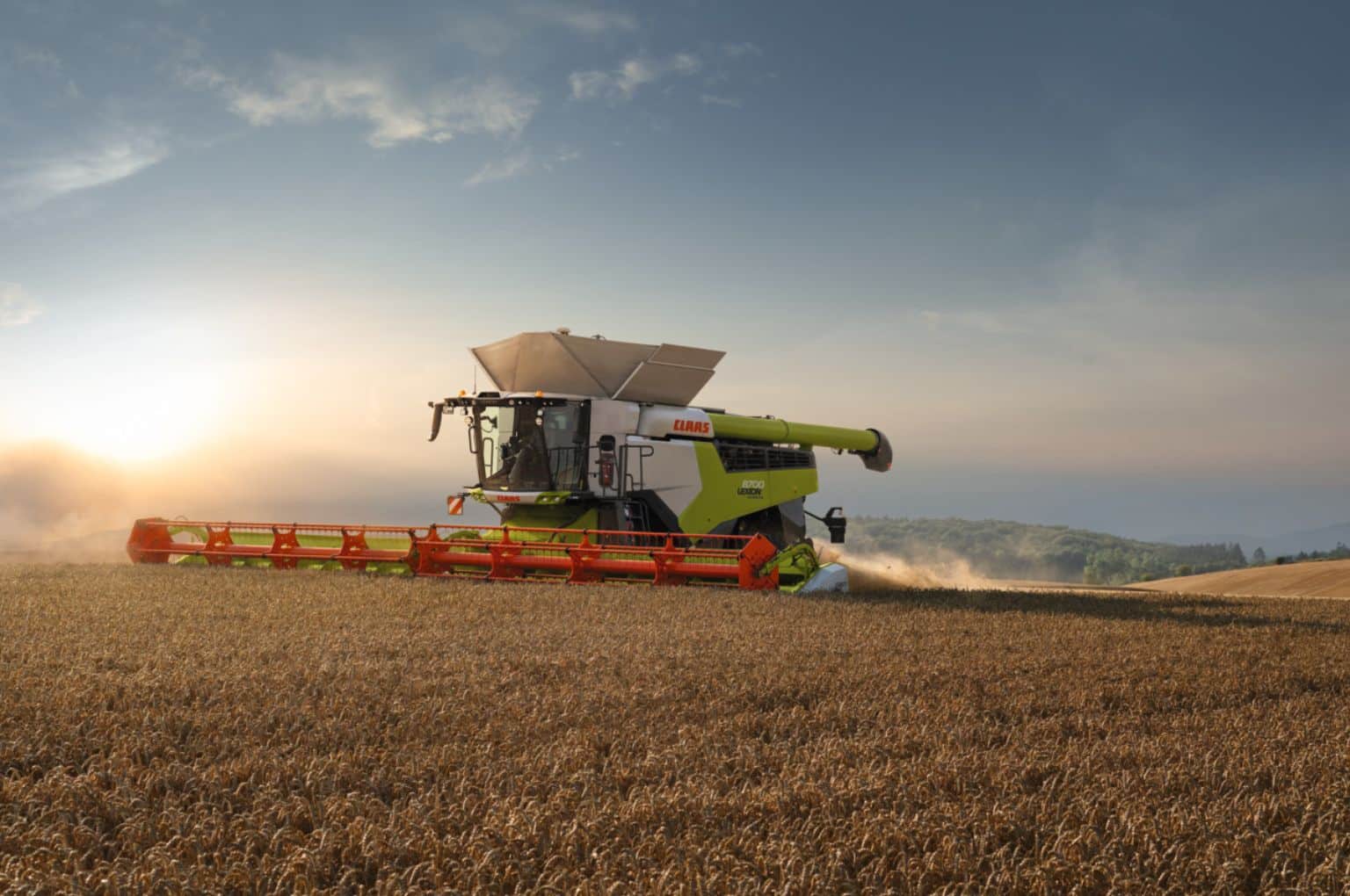
In its 30th anniversary year, Claas is giving the Lexion combine harvester a makeover and introduces an additional model. The main changes refer to the grain tank volume, engine power and cab. The Lexion 7500, 8700 and 6800 are also getting new engines.

With a view to the upcoming Agritechnica and the 2026 harvest, Claas is introducing a number of important innovations to the Lexion series. In addition to further improved performance, the focus is primarily on operator comfort.

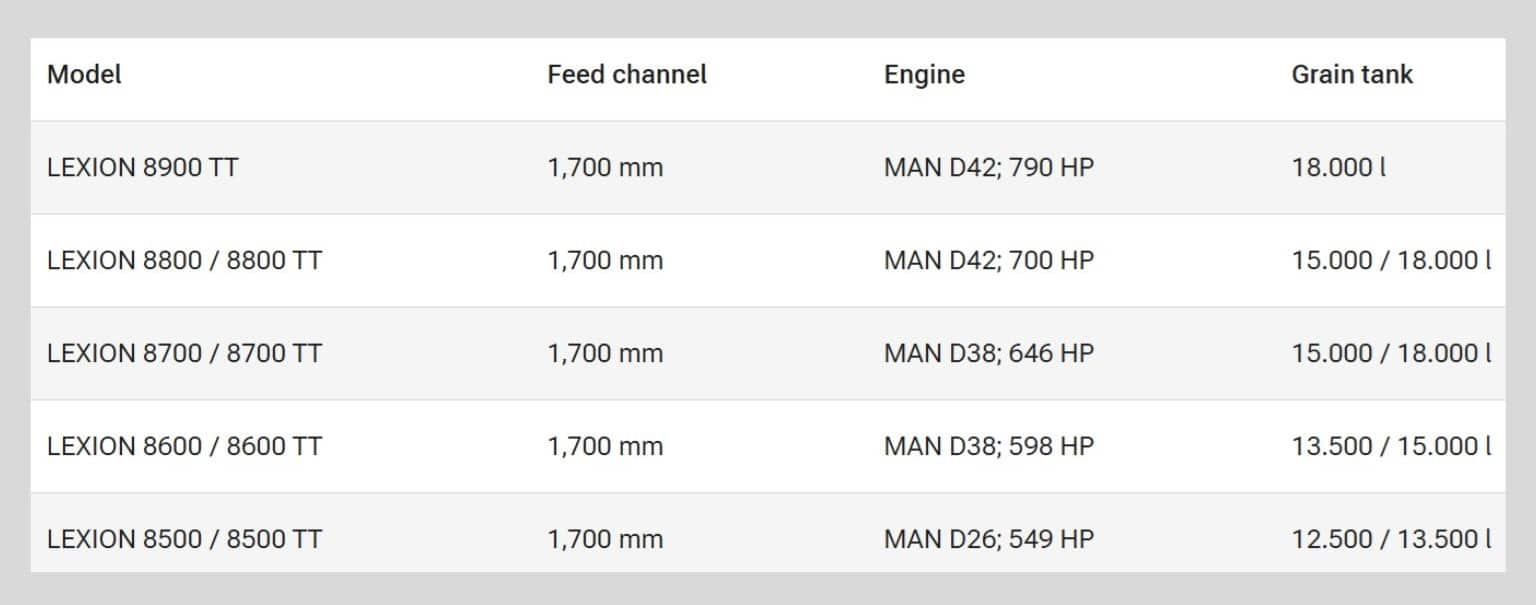
MAN six-cylinder engines are used throughout the 8000 series, which is extended with the Lexion 8500 model. From the 2026 model year, the Lexion 8000 series will now comprise five performance classes in both wheel and Terra Trac versions.

The new Lexion 8500 rounds off the lower end of the series, resulting in a narrower power range and giving customers a wider choice in terms of engine power and grain tank volume.

All models work with the APS Synflow Hybrid separation system with a feed channel width of 1,700 mm, three drums, a 755 mm threshing drum and two axial rotors that are 445 mm in diameter and 4,200 mm long. The 8500 is equipped with five rotor concaves with a maximum rotor speed of 1,000 rpm, while the larger 8600 to 8900 models offer even more separation performance with six rotor concaves and a maximum rotor speed of 1,200 rpm.

Lexion 8700: largest grain tank


Apple CarPlay and new interior lighting

Also the grain tank sizes are increased. The Lexion 8600 can now be supplied with either a 13,000 or 15,000 liter grain tank volume.

The 8700 is now even available with the largest grain tank with a volume of either 15,000 or 18,000 liters and an emptying capacity of 180 l/s as standard.

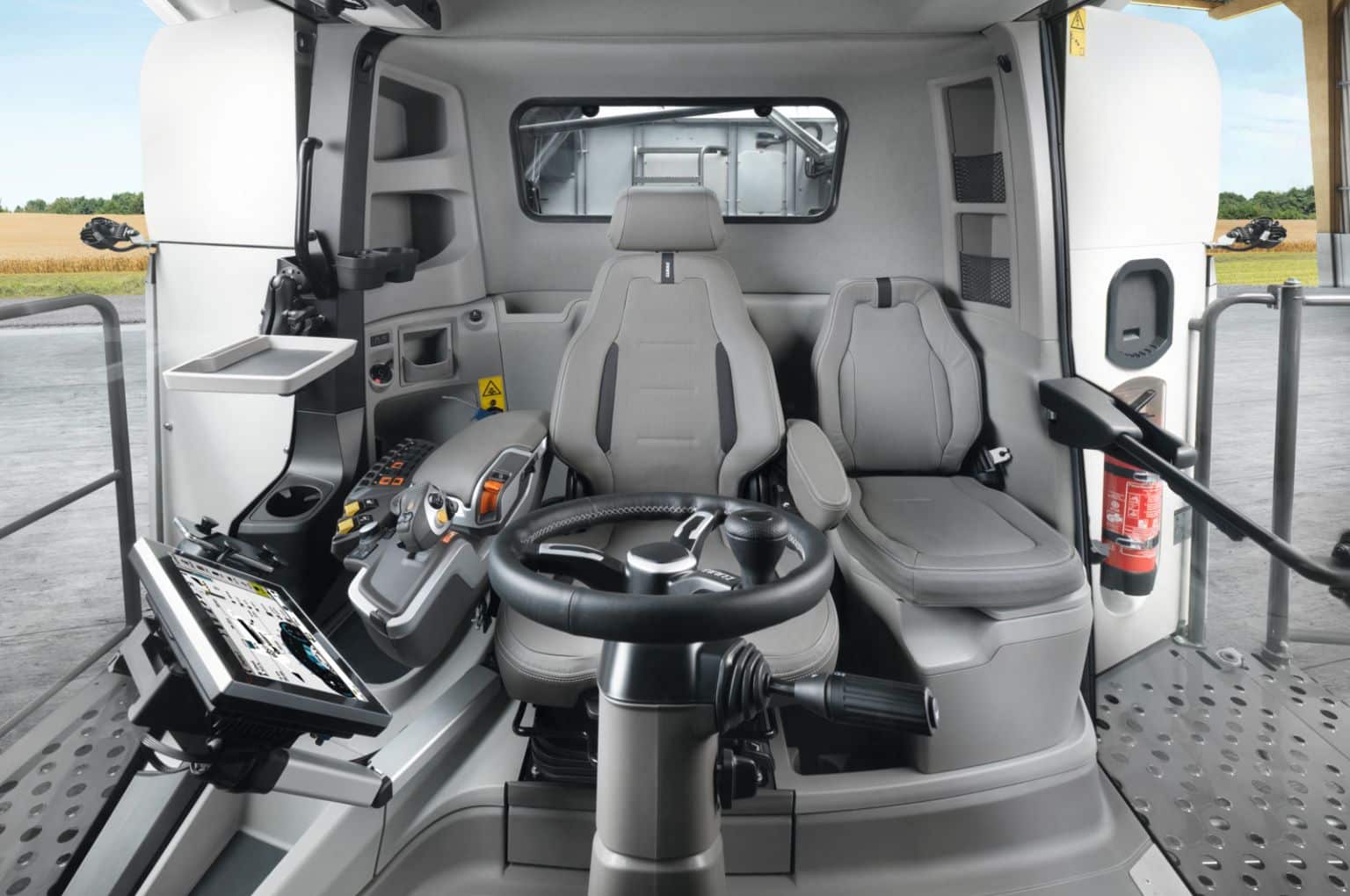
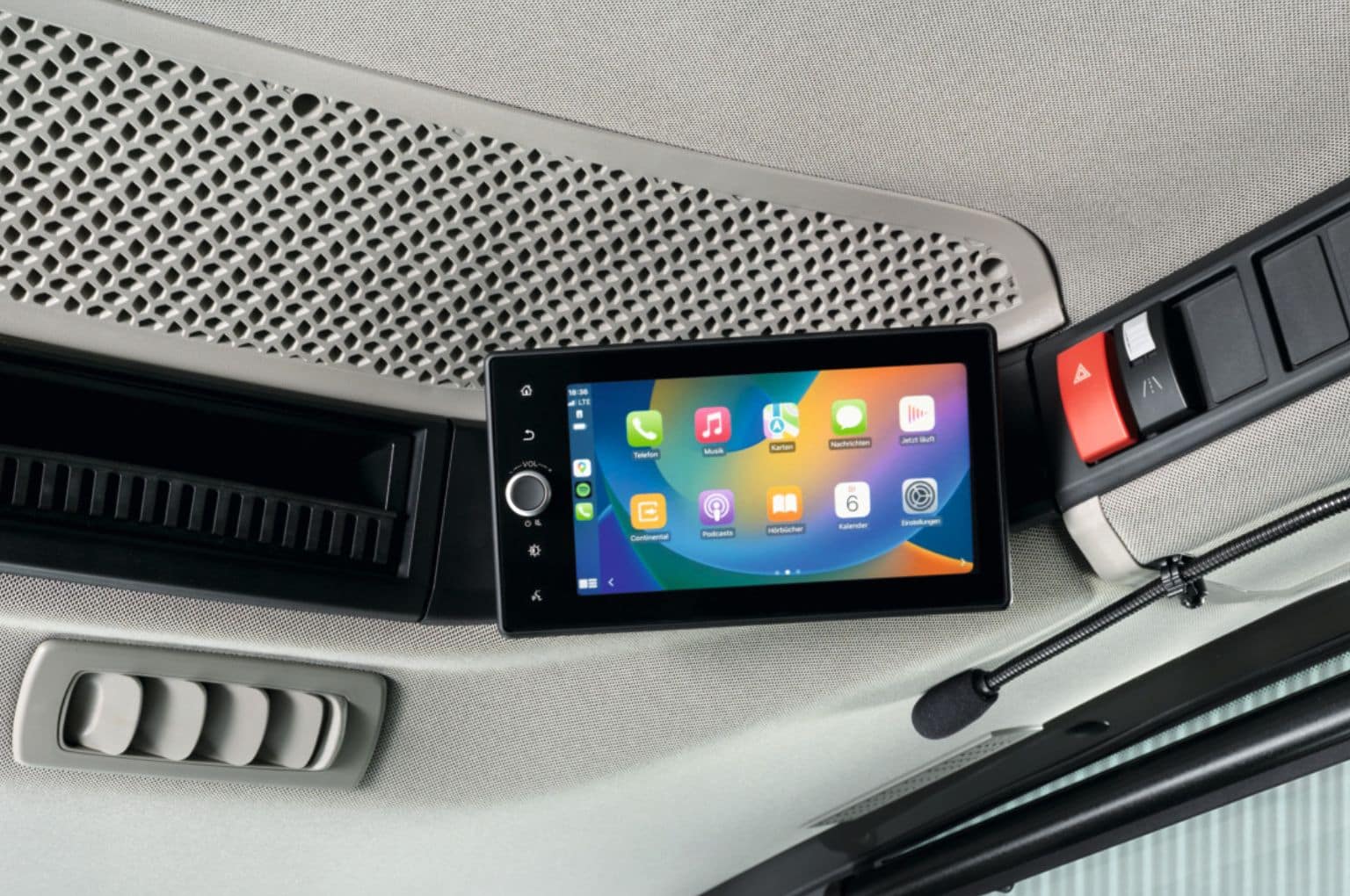
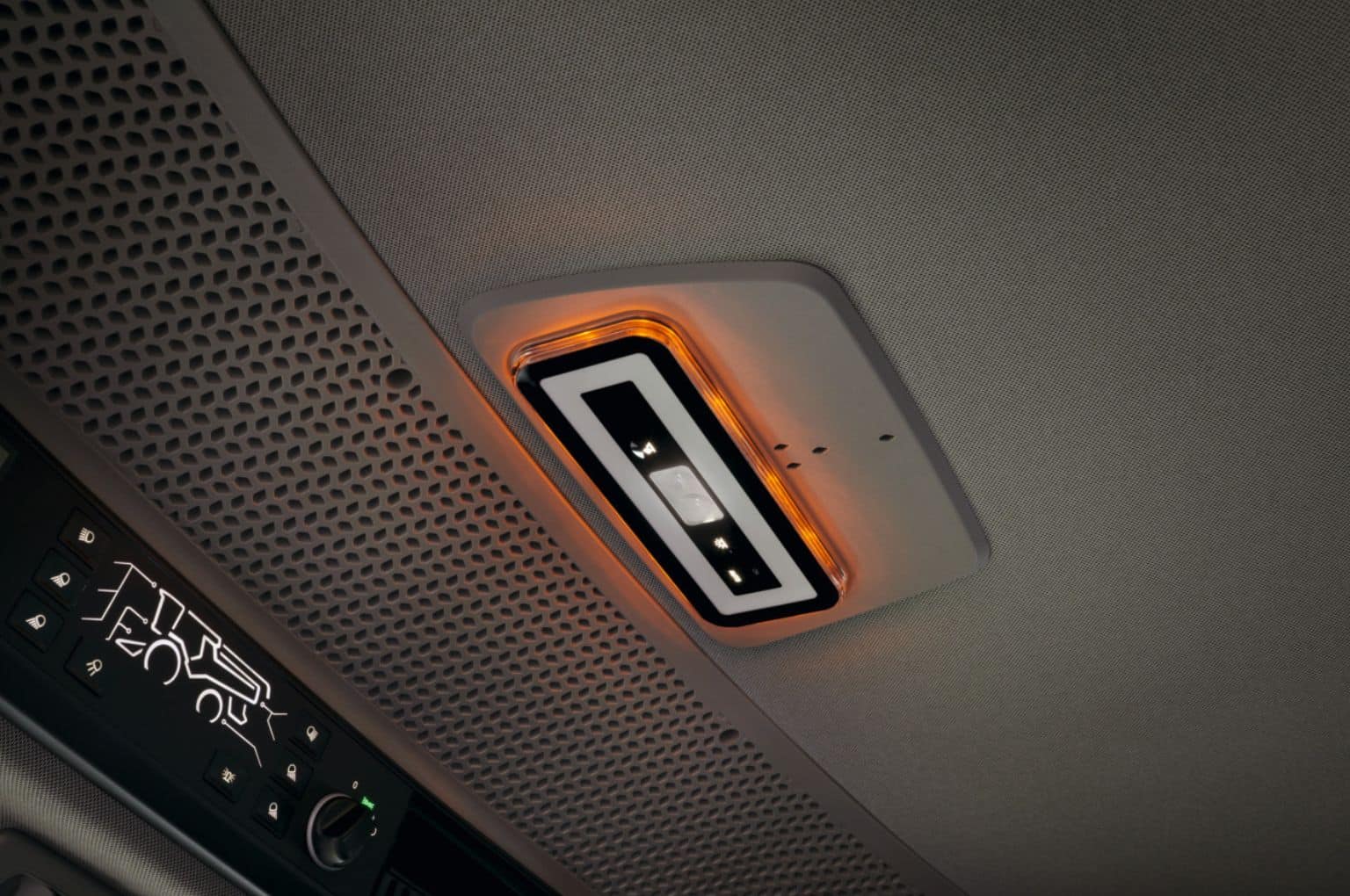
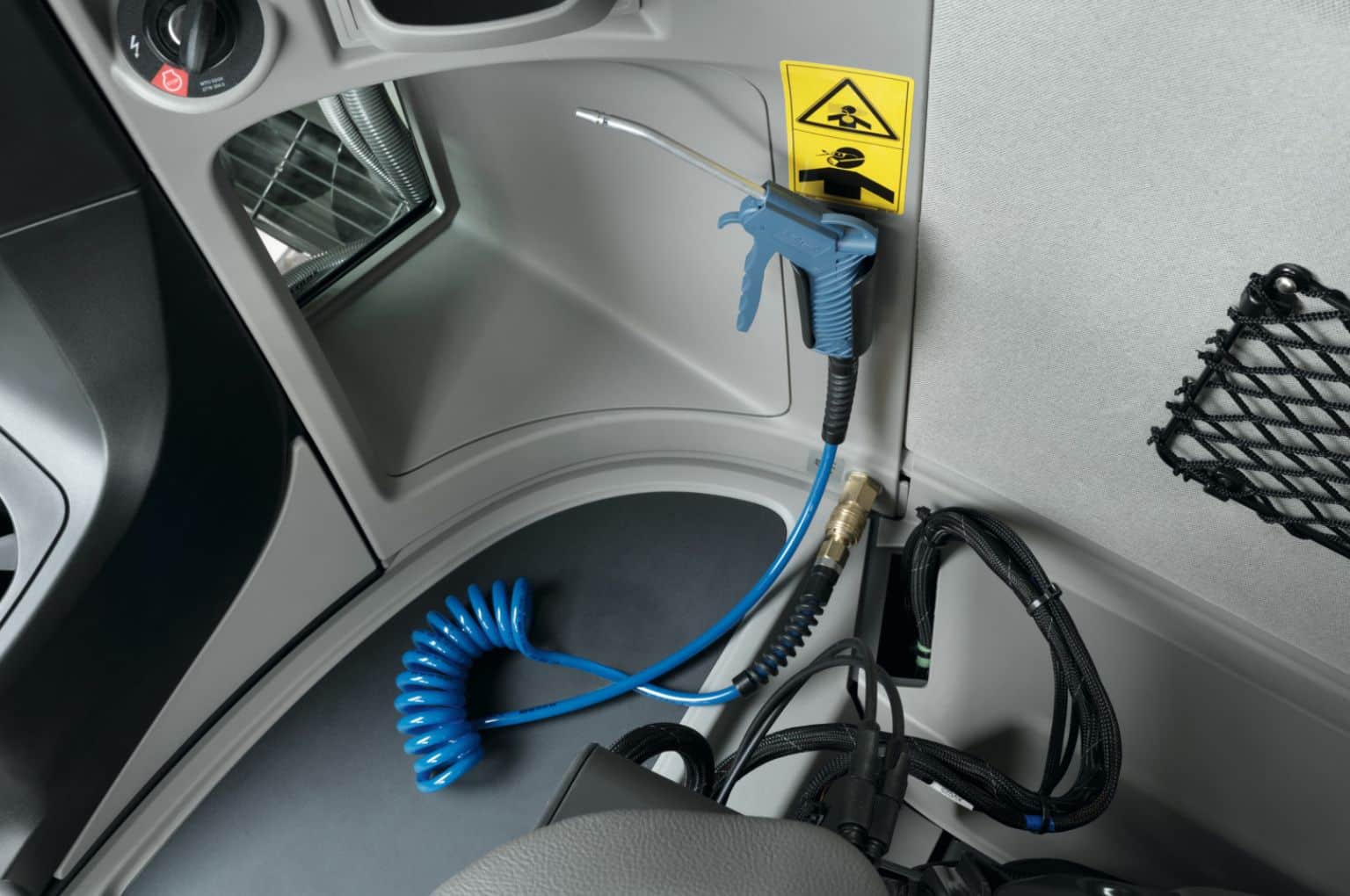
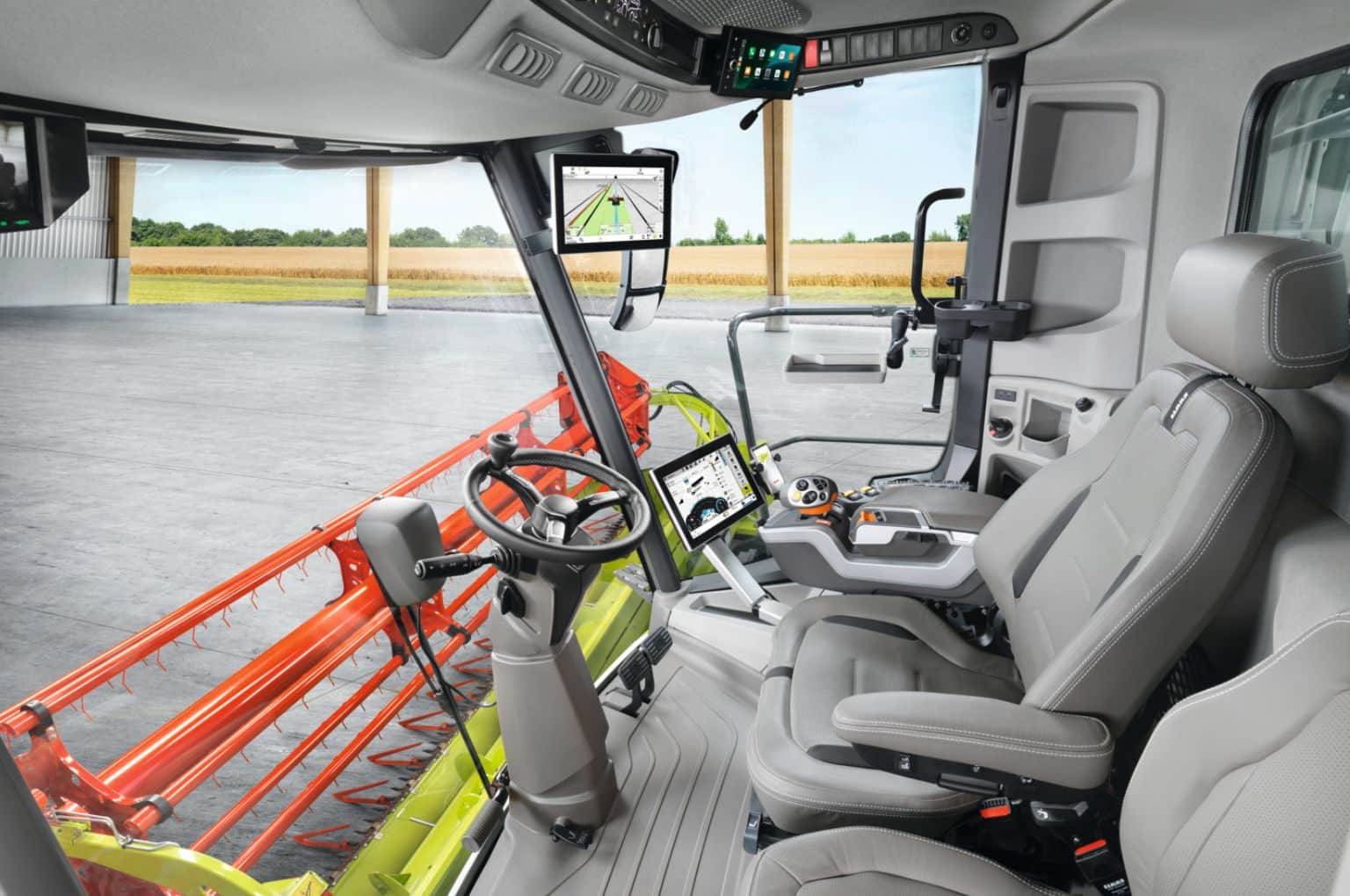
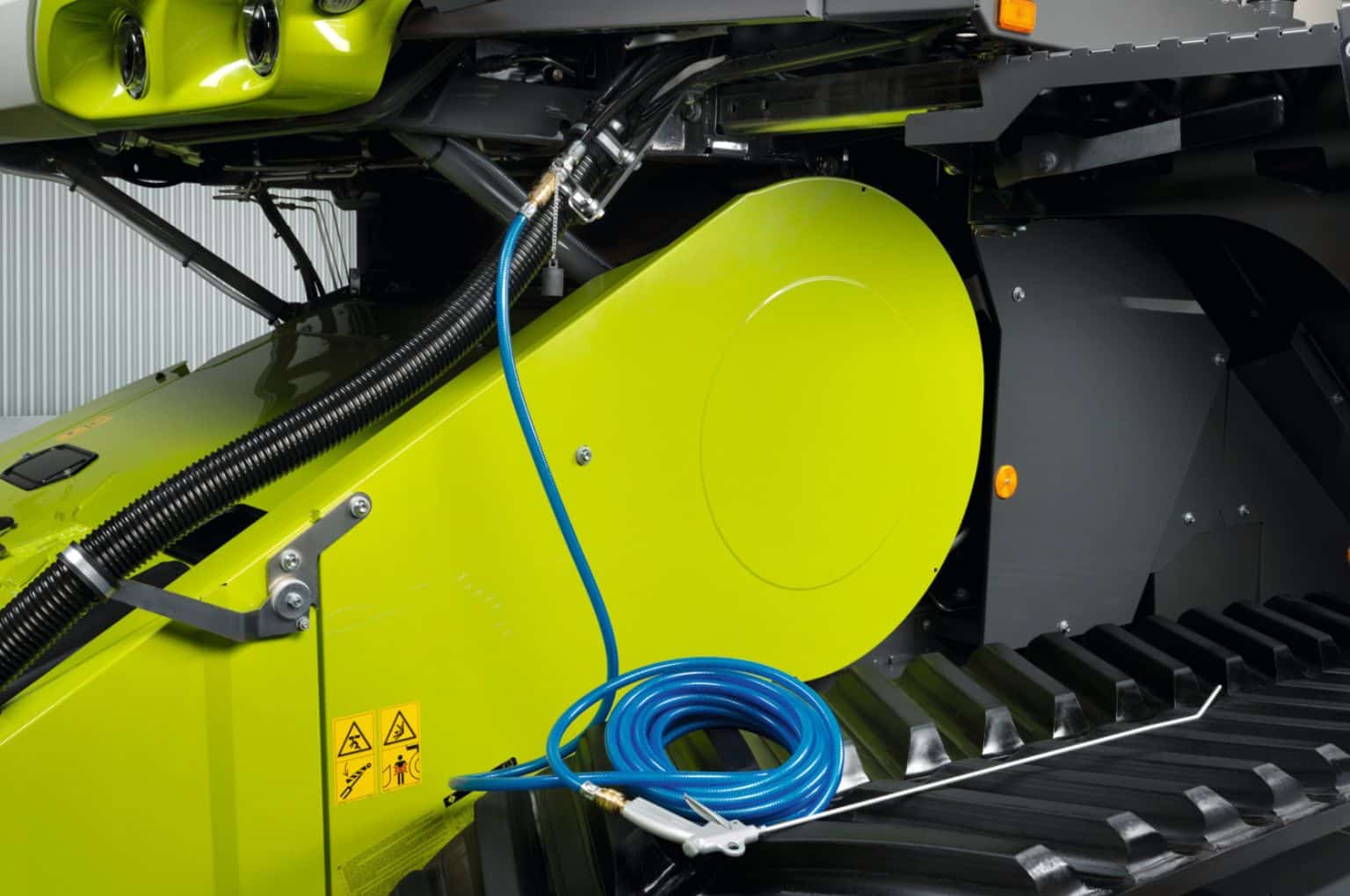
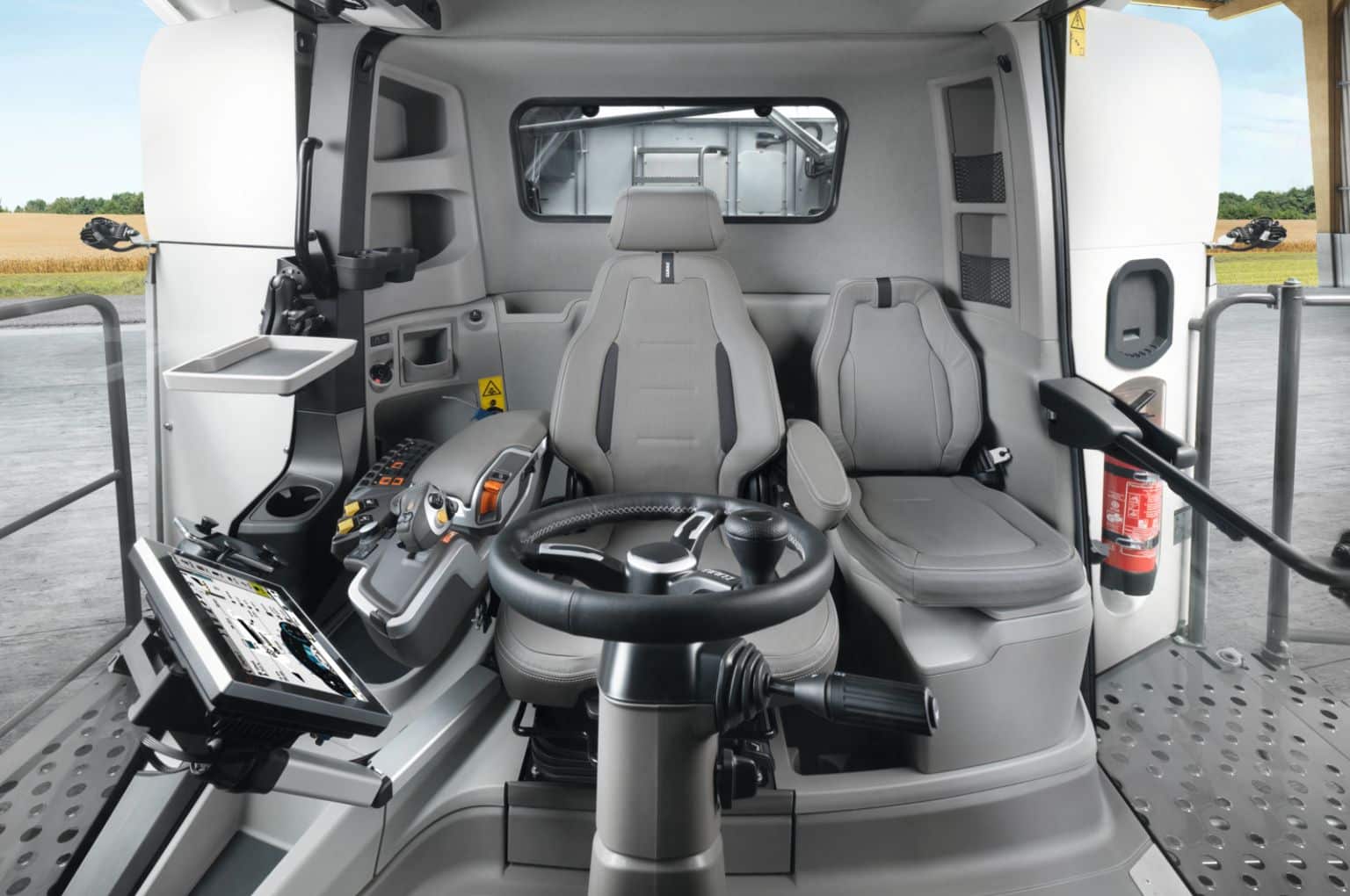
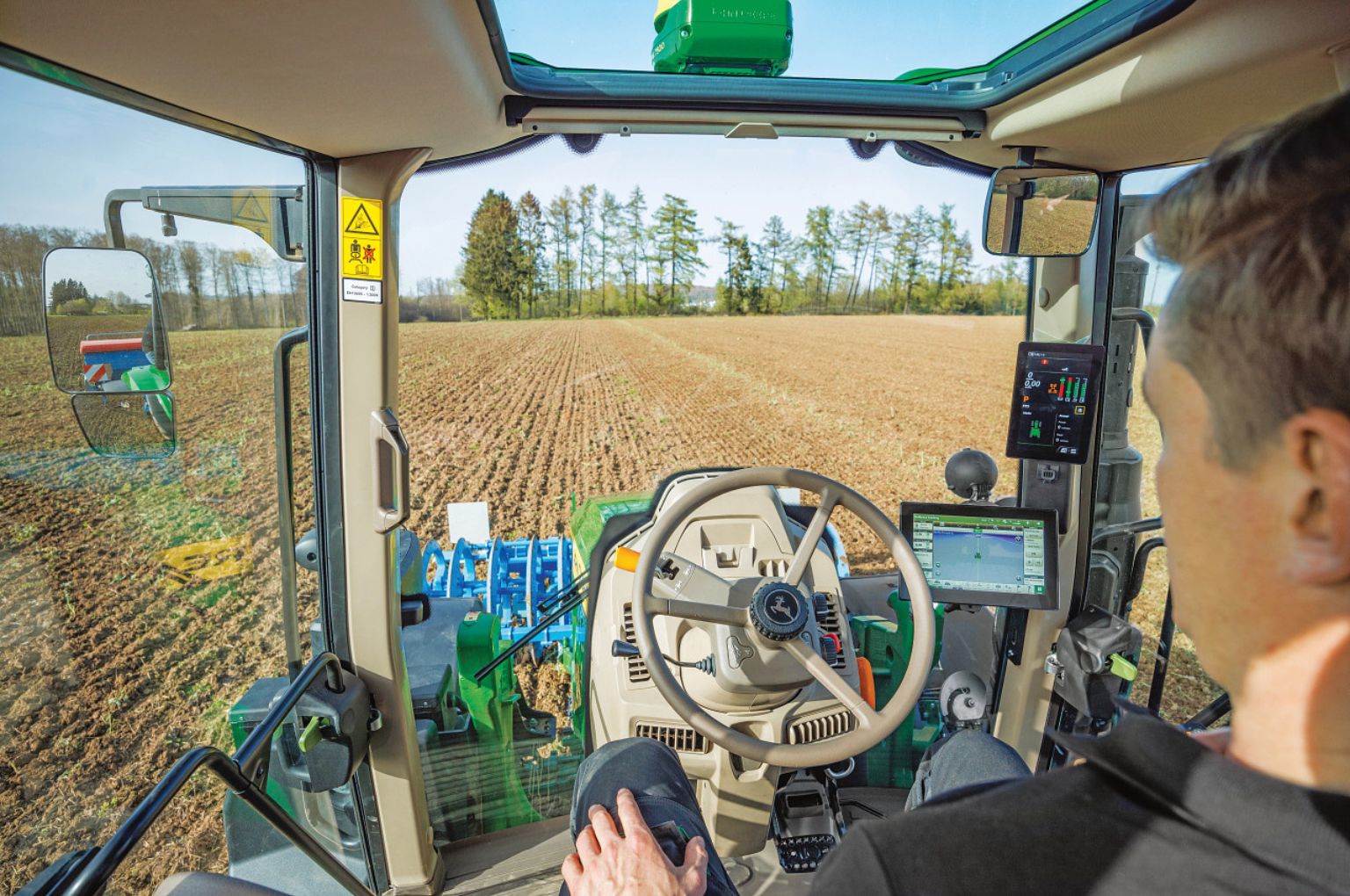
Apple CarPlay and Android Auto 6.75 inch touch display, DAB+ radio receiver and Bluetooth will be available in the cab from the 2026 model year. A blow gun with a 2-meter-long spiraled hose is also available for quick and easy cleaning of fittings and the cab floor. Thanks to new interior lighting in the cab, working in the evening and at night is even safer and more pleasant. New storage compartments in the left-hand B pillar offer additional storage options.

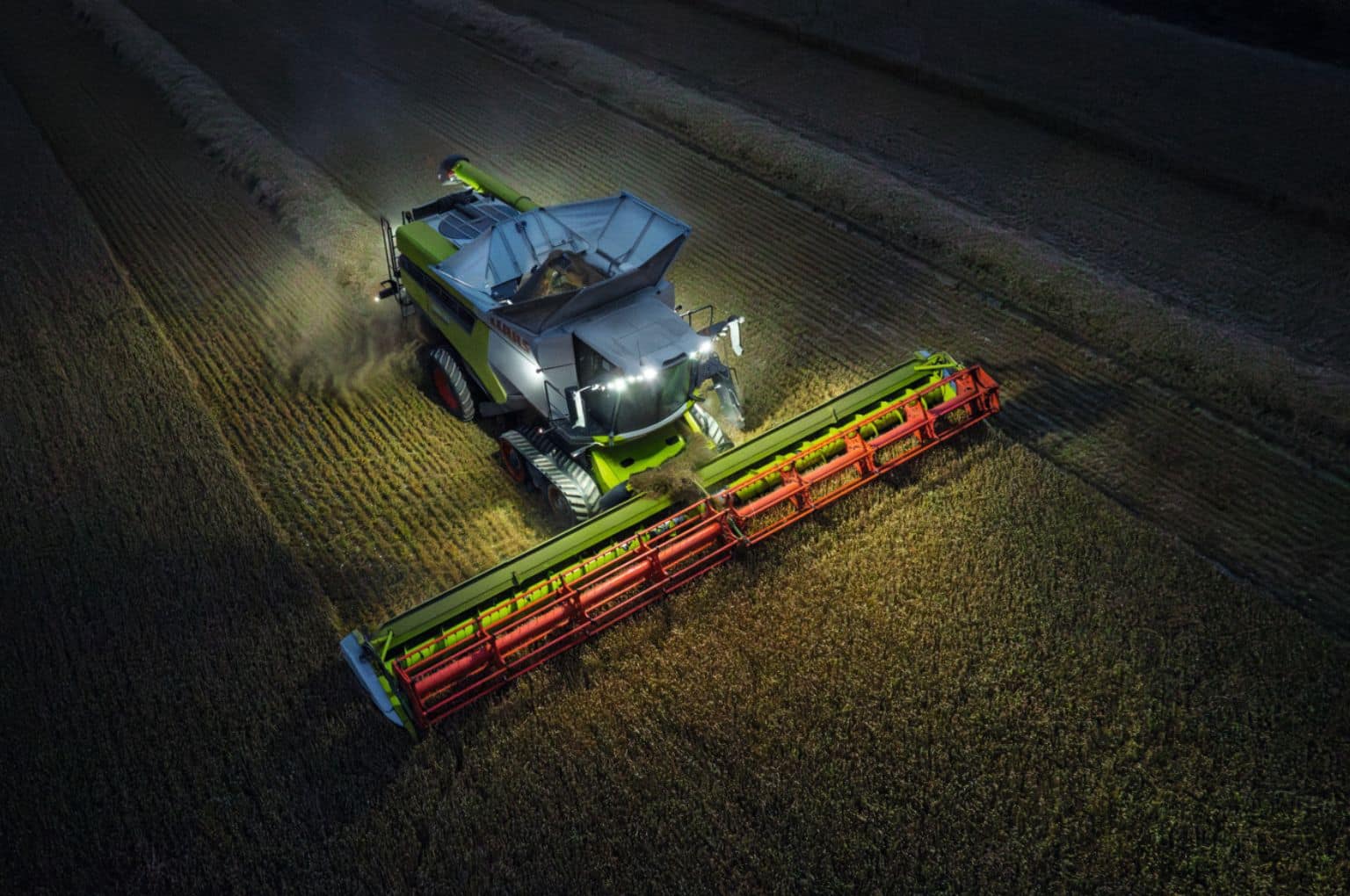
From the outside, all 2026 Lexion models are recognizable by new LED rotating lamps and new rear lamps, which also ensure greater safety in the field and on the road.

The cab feautures driver comfort, headlight and camera equipment, as well as leather upholstery through to swivel leather seats, wireless charging for smartphones, three LED headlight packages, electrically adjustable and heated rear-view mirrors and various camera equipment. In addition, a compressed air connection is available in the cab access area for cleaning the connections on the intake duct.

 
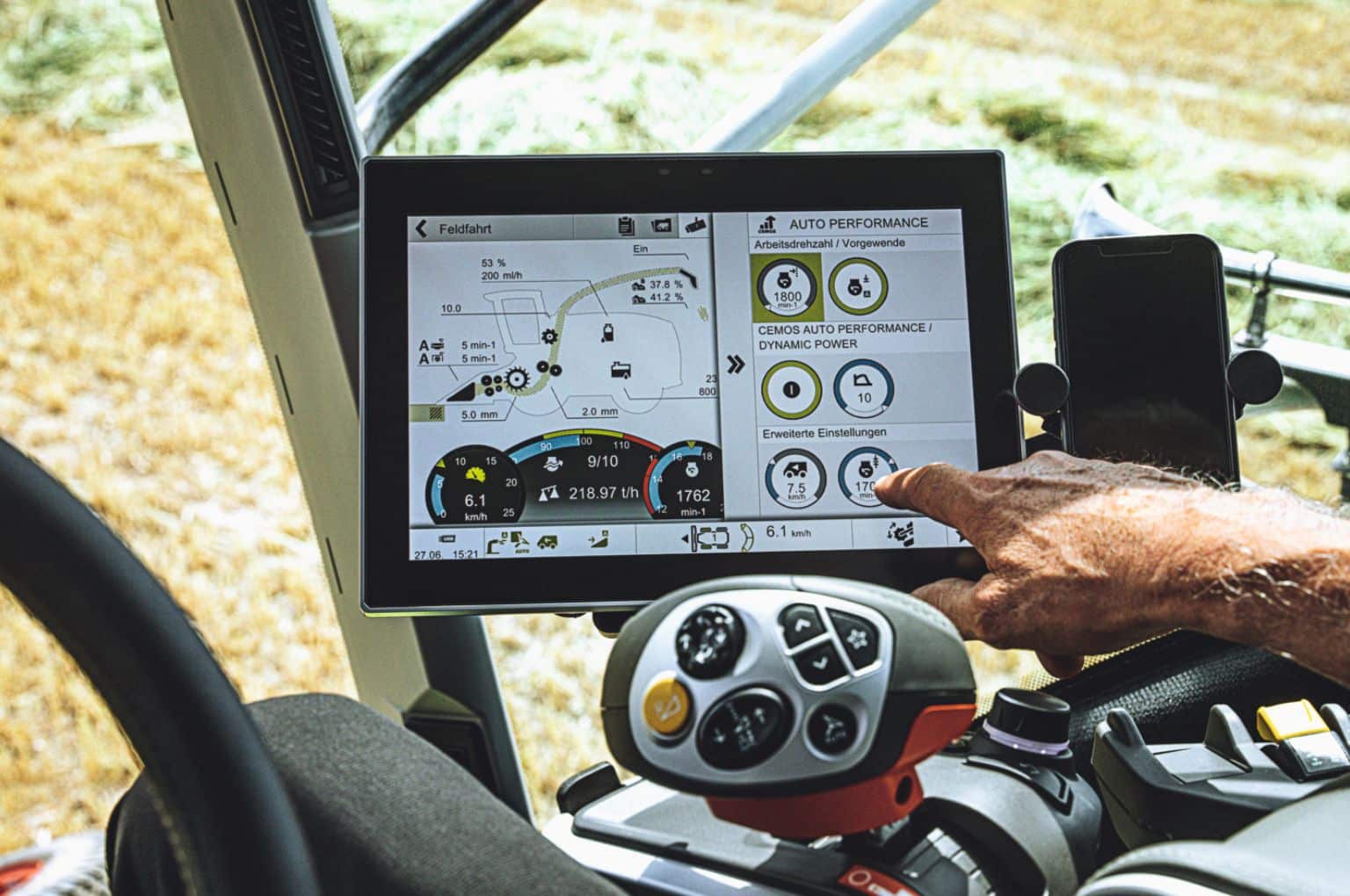
Cemos driver assistance

To make it easier for customers to configure the right Cemos equipment, the available functionalities are bundled into three packages:

Cemos Auto for 10 percent throughput capacity, significant learning effects and noticeably more driving comfort thanks to dialogue-based optimization, automatic regulation of the forward speed and automatic crop flow monitoring. The menu-guided loss sensor calibration is unique on the market.

Cemos Auto Plus for up to 20 percent performance optimization and automatic optimization of residual grain separation, cleaning and digital sweep control.

Cemos Auto Professional for more than 20 percent more output, including automatic setting of the threshing unit and camera-based, permanent optical monitoring, analysis and optimization for maximum machine throughput with the best grain quality and minimum trash.

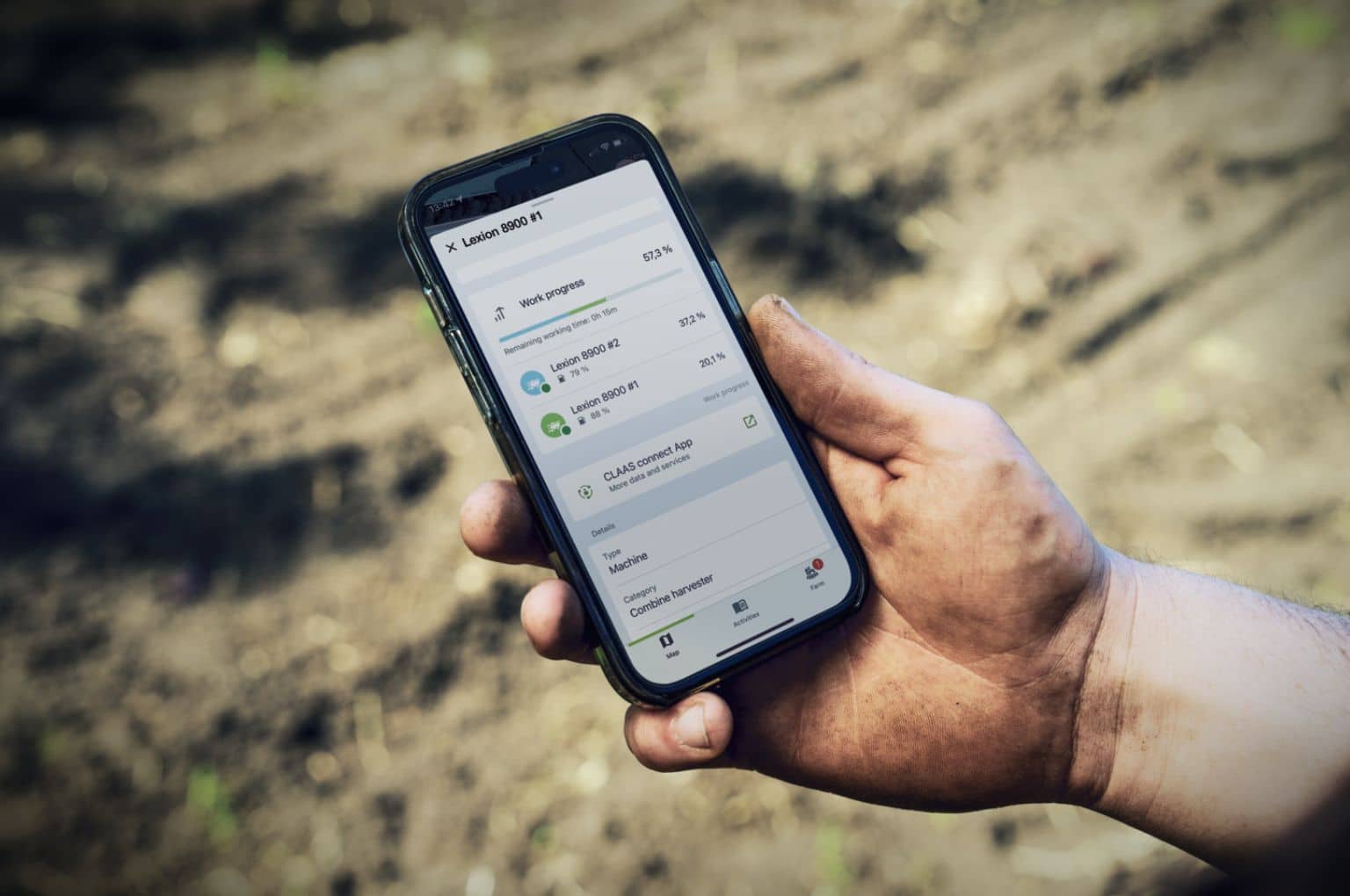
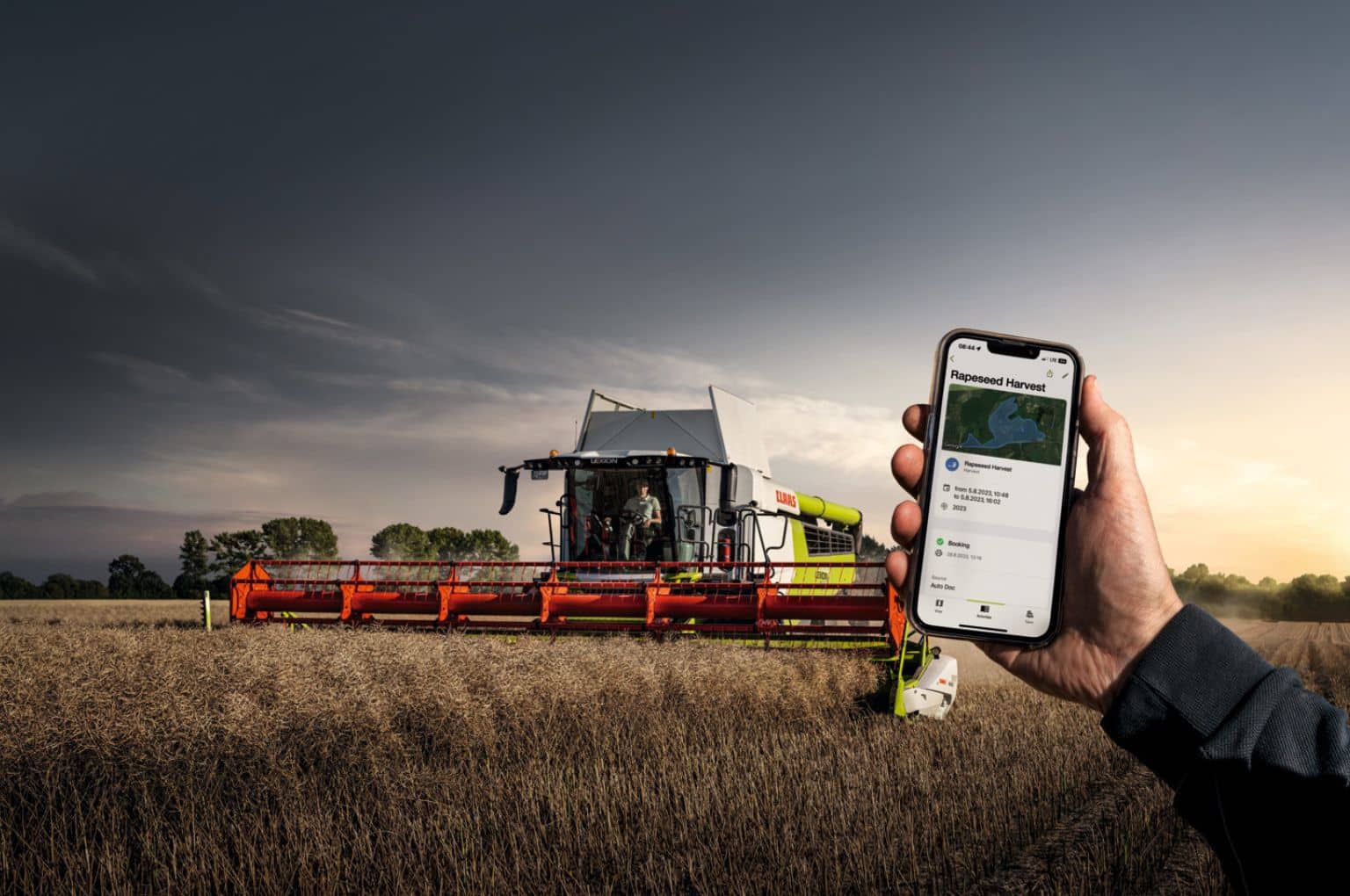
Fully networked with Claas connect

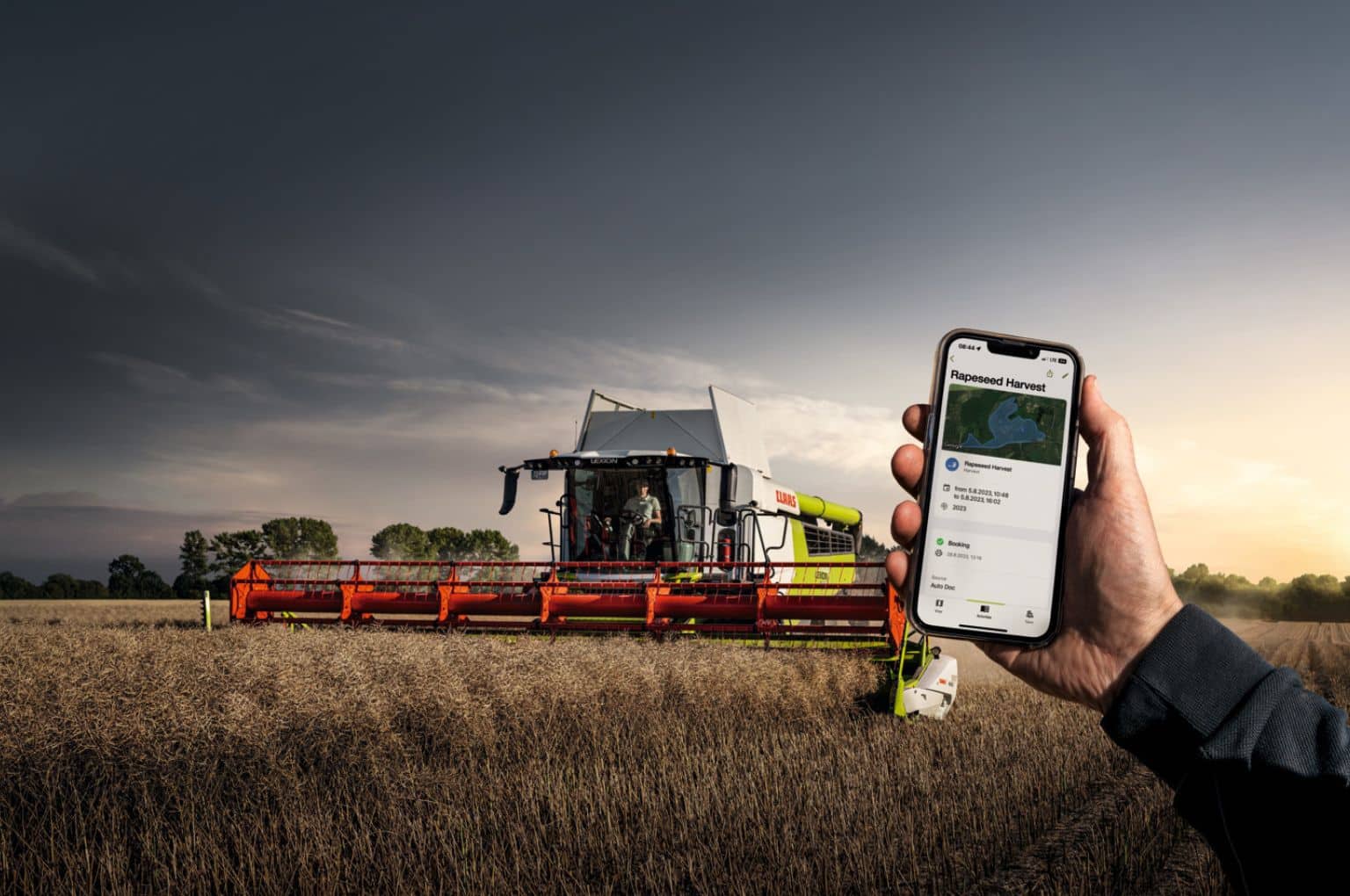
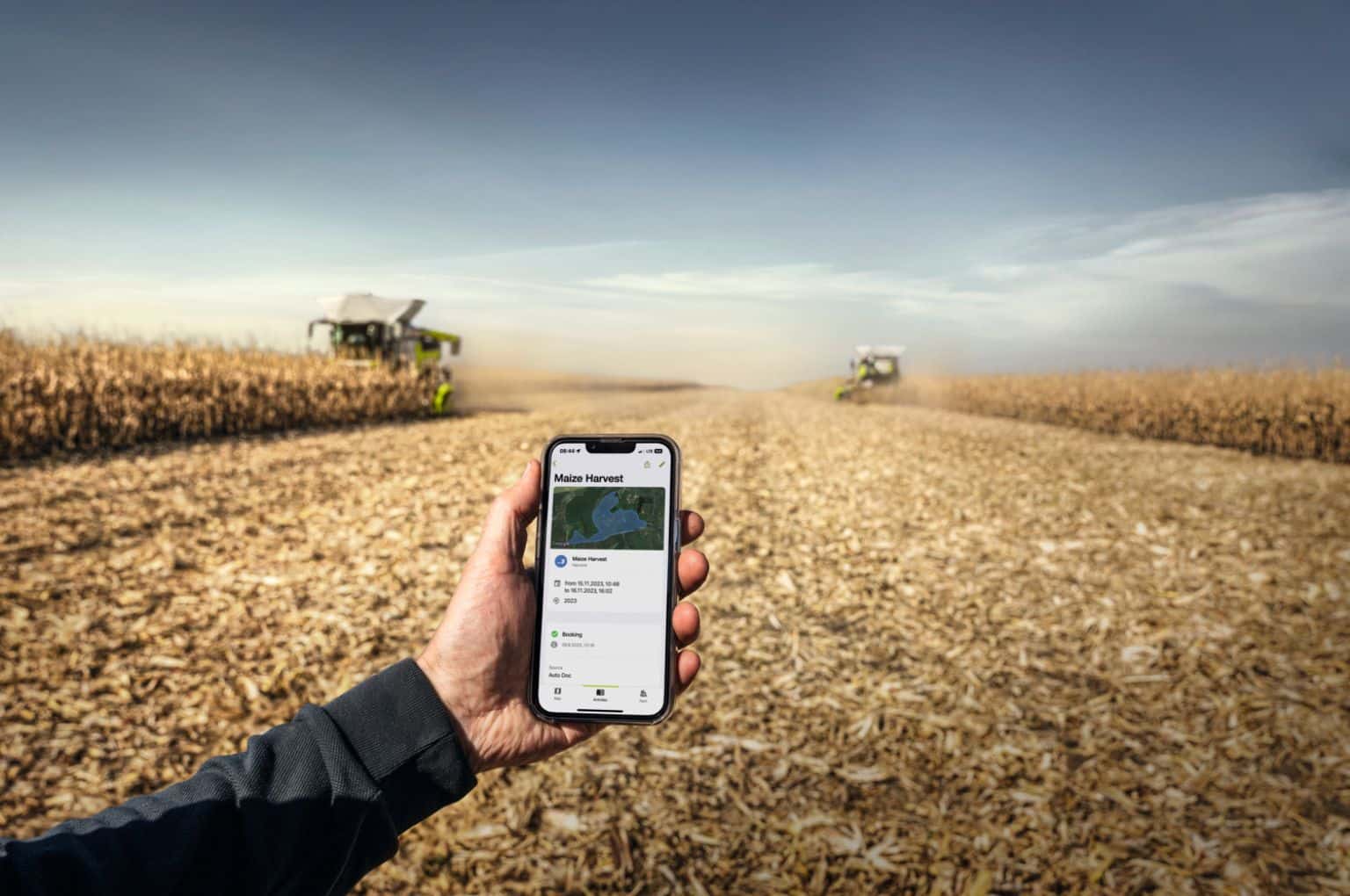
From machine configuration, purchase processing, access to product documentation and the lubricant guide, maintenance planning and documentation through to cross-manufacturer fleet management via DataConnect, yield maps and other smart farming applications: Claas connect also enables comprehensive networking for the Lexion with automated documentation and access from the office or from a mobile device while travelling.

Precise track guidance: Cemis 1200 as an intuitive steering terminal; whereby the optimum reference lines can be planned in advance in Claas connect based on the field boundaries and then used and shared.

Clear job management: Jobs are created in Claas connect and called up on the Cemis 1200. Orders can be documented and managed directly on the machine.

Automatic documentation with Claas connect: Automatic documentation of field work is also possible without creating jobs for a complete database. Interpolated yield maps of outstanding quality can be created automatically from the machine’s yield points.

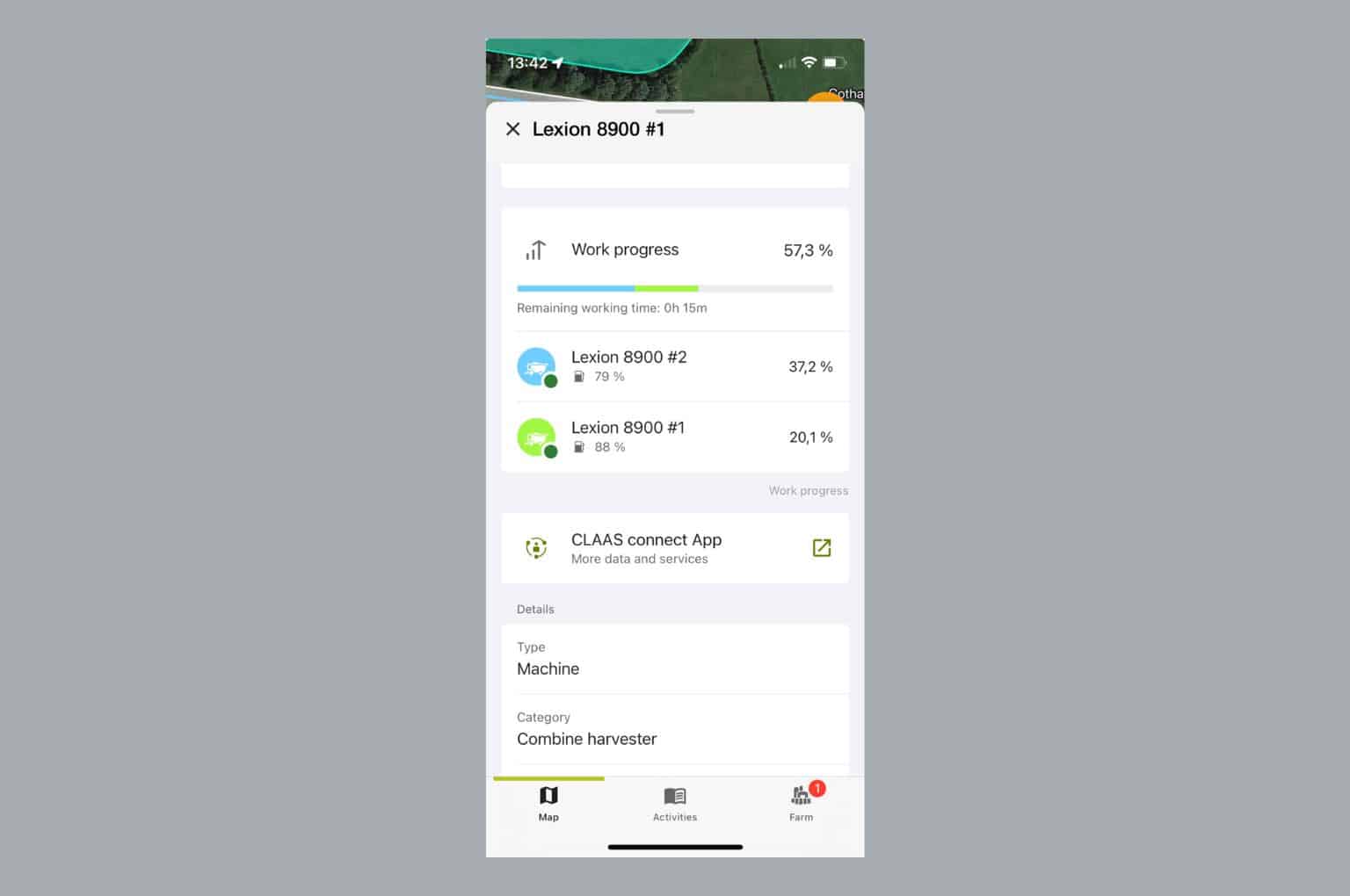
Real-time information: Machine position and status, as well as current machine data, settings and performance can be viewed from anywhere. This enables convenient navigation to the machine’s operating location, for example. In addition, Claas connect informs the user how long the work in the field is likely to take, regardless of how many machines are currently working in the field. This allows harvesting operations and harvesting logistics to be optimally planned.

Analyse and optimise: Detailed analyses enable optimizations and comparisons between different machines. Efficiency, performance and yield data can be analyzed as a whole.

Precise planning: The remaining working time per field can be estimated, based on current performance data. Claas connect also provides detailed field overviews and satellite data for monitoring vegetation and pre-planning harvesting operations.

The full range of functions in Claas connect is available with the upgradeable farm-based licences. These are valid per farm and not per machine, and therefore enable a wide range of applications across several machines. All functions relating to automatic documentation and precision farming are covered.

Highlights

“Agritechnica Asia live” is approaching

From 24-26 August, Agritechnica Asia Live 2022 will be held in Can Tho City, Vietnam. At Agritechnica Live, machinery will be demonstrated in the field. Concurrently there’s an exhibition with a seminar programme. The previous edition was held in Myanmar, which attracted visitors from across South E...

“I wanted to disrupt the industry”

Craig Rupp is a self-made man. The founder and owner of US based Sabanto, has a clear vision on automation in agriculture. “I wanted to disrupt the industry,” he says. And so, he did. Craig developed the Steward retrofit kit, making tractors operate autonomously. It eases the workload for farmers. B...

“Cotton King” high clearance tractor

Kazakhstan, Kyrgyzstan, Tajikistan, Uzbekistan and Turkmenistan in Central Asia, are rich in cotton production. In order to meet technological constraints, Lovol launched the high clearance TX1104-H “Cotton King” tractor, specifically designed for cotton production in these countries. Th...

“Agricultural robots” today at Agritechnica digital

“Agricultural robots” is the first topic in new webinar series on startup technologies, presented in Agritechnica digital. Free-to-attend ‘AgTech’ events explore topics shaping startup innovation scene: robotics, digitalization, circular economy and soil health. Today, 18 January 2022, Agritechnica ...

“Let the future begin”

The global ag machinery market is continuously evolving. AGCO aims to be in the forefront of new technology. Serving their own customers, but also mixed fleet operations. With new solutions in precision ag, autonomous vehicles and engines running on clean energy. Always with full focus on the farmer...

Related articles

MF 7S MARK 2, the future of Massey Ferguson tractors

Massey Ferguson unveils its new mid-to-high horsepower tractor range. Among the contenders for Tractor of the Year 2027, the new line-up comprises six models and introduces a host of significant updates. With EIMA International just around the corner, major announcements from the tractor industry ar...