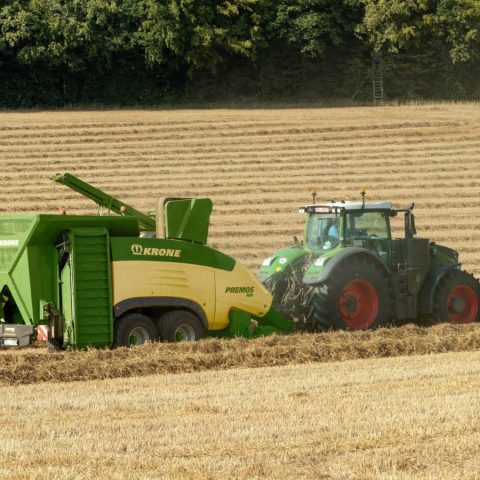
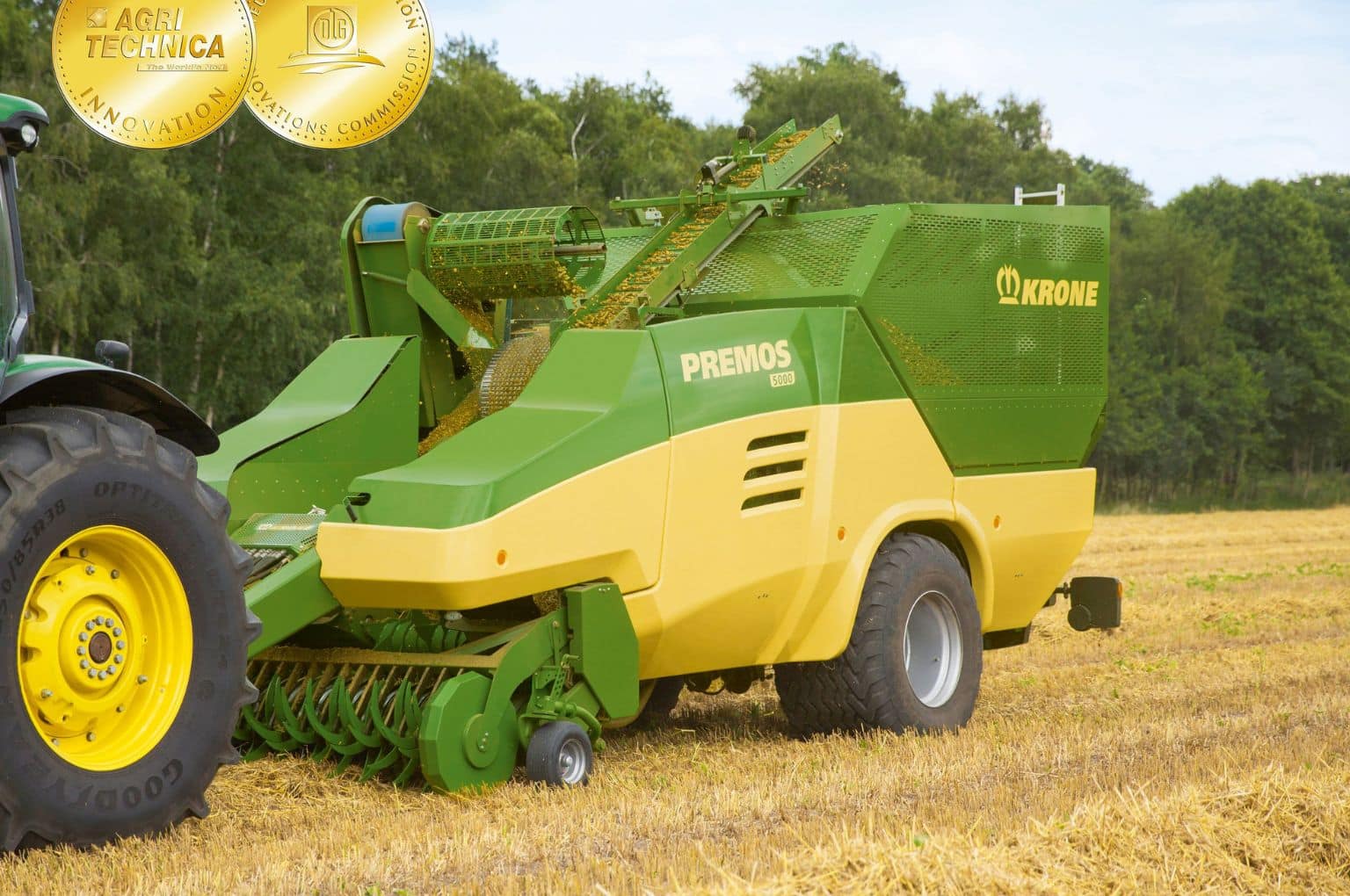
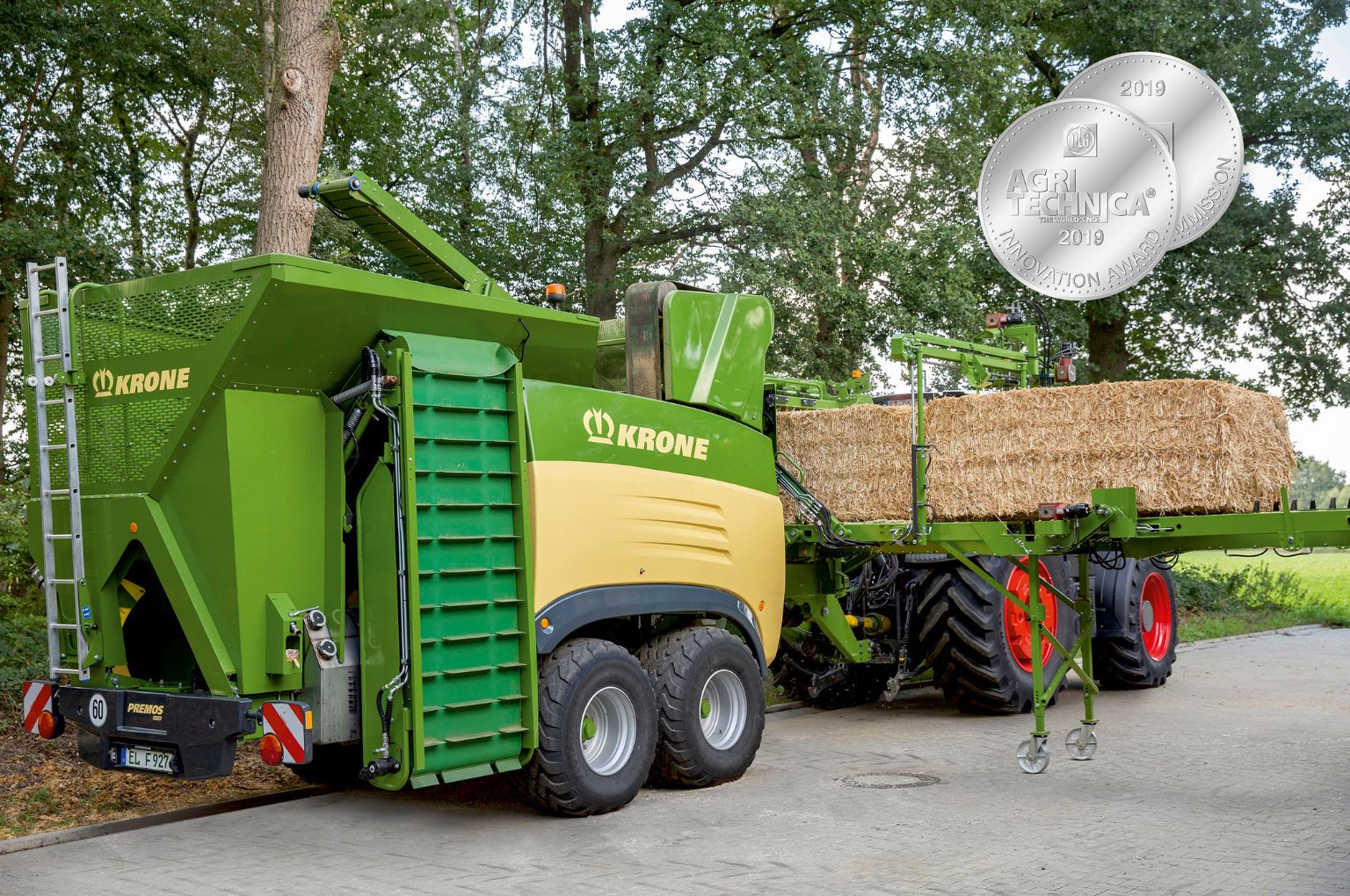
Nearly ten years ago, Krone presented the Premos 5000 mobile pelleting press at Agritechnica 2015. High-fiber pellets produced with this machine can be used in a variety of ways, including forage and litter for animals, as well as fuel.

When used in the field, crops are taken from the swath by the pick-up and conveyed to two compression rollers. Then they are pressed inside the rollers through perforated dies measuring 16 mm. The special feature is that unlike other processes, the Premos 5000 has no performance-sapping pretreatment with chopping or grinding. This means that only half as much energy is expended. The temperatures and high pressures reached during pelletizing reduce the bacterial load and macerate the material.

Over the following years the pelleting press was continuously modified. At “Grüne Woche 2018”, Krone presented a machine with larger compression rollers and a new main gearbox. This boosted throughput from 3 to 5 t/h. The tandem axle, now installed as a standard feature, ensures even better driving comfort. At Agritechnica 2019, Krone presented a bale shredding system with an automatic twine remover that simplifies handling in stationary operation. The bale shredding system can be conveniently controlled from the tractor cab via an operating terminal. The software and hardware, which had already been updated two years previously, were again modernized to make it even more convenient to operate the machine.

Highly absorbent, clean and safe

What was originally intended as a versatile solution for energy and agricultural uses such as fuel, litter, forage material and manipulable material, became widespread mainly in livestock farming. Due to their high absorbency, hygienic properties and easy handling, high-fibre pellets today are a popular alternative to chopped straw.

Thanks to their high absorptive capacity  (1 kg of high-fiber pellets binds up to 4 liters of water) the high-fibre pellets quickly bind moisture from animal excretions and improve the stable climate due to minimal outgassing of ammonia. Significantly less material is required in comparison to chopped straw, which means less accumulation of manure and less time spent mucking.

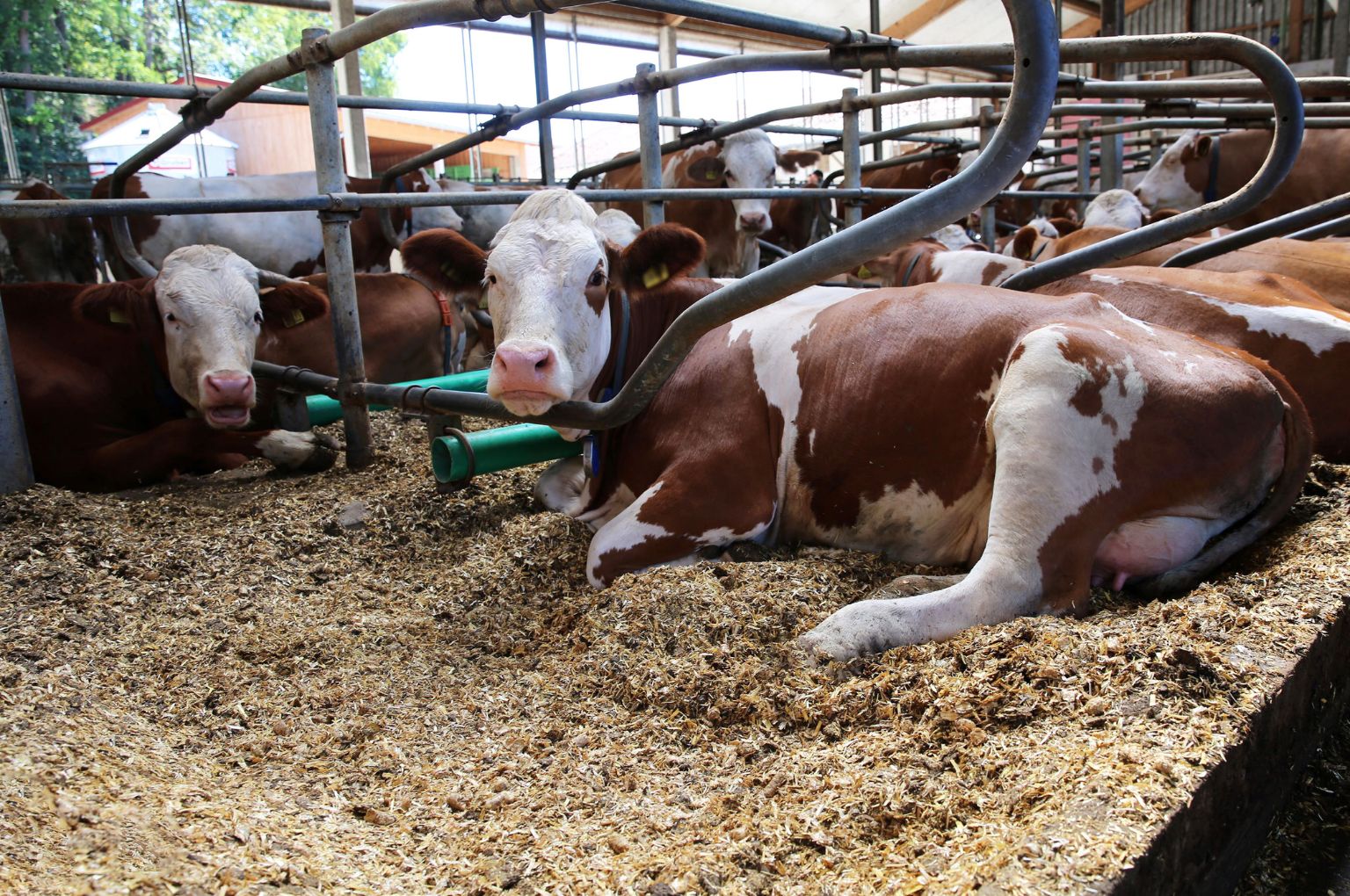
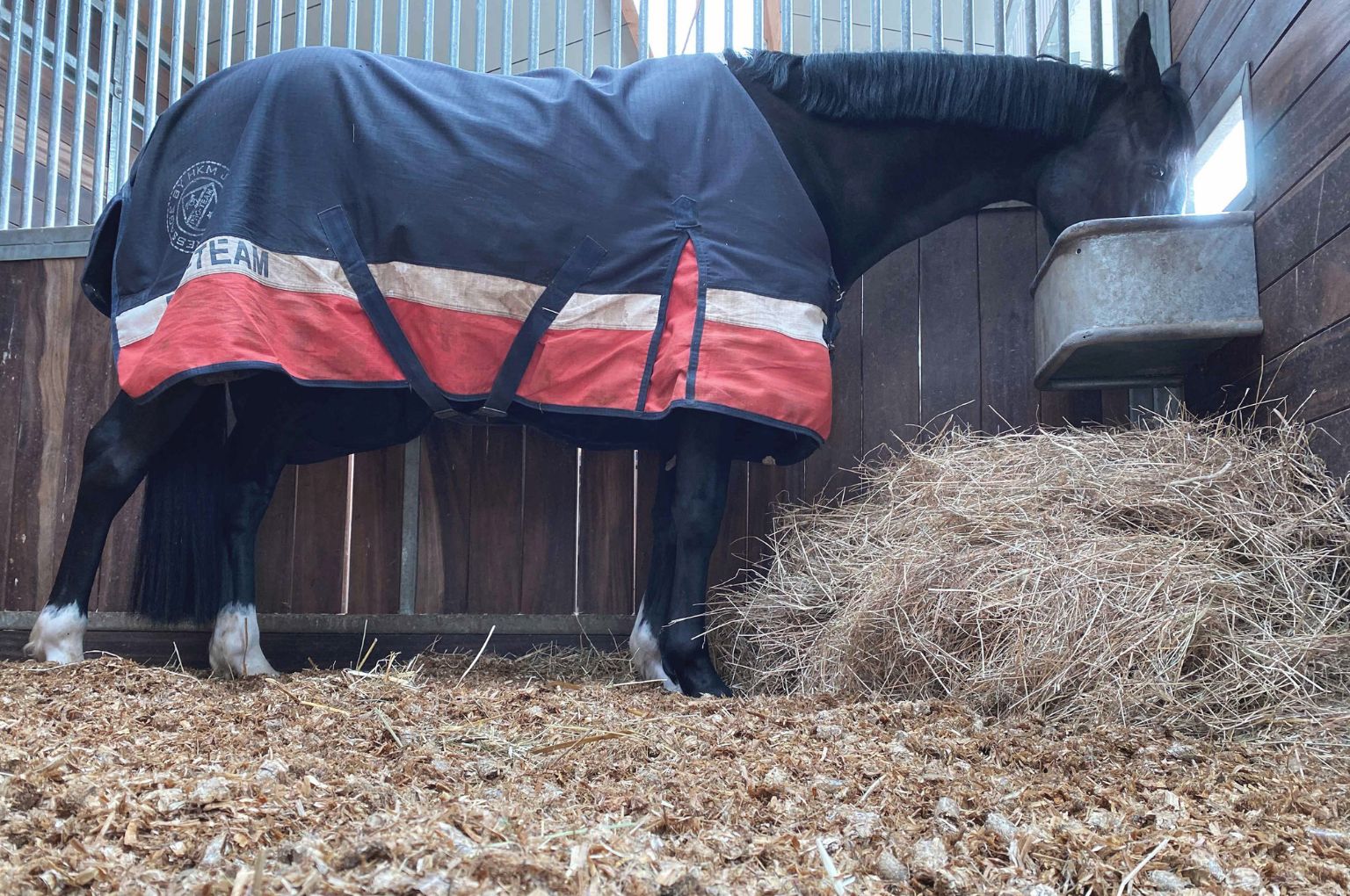
Litter made with high-fiber pellets is easy to handle and low in dust compared to chopped straw, which makes them a good choice especially for horse owners. Due to heating during the pelletizing process, the high-fiber pellets are nearly germ-free, so they are safe to use as manipulable material in poultry and pig farming. Dairy farmers are also increasingly using high-fiber pellets as litter material for lying stalls, where they form a dry mattress. This provides a clean and comfortable place for cows to lie, which promotes cow comfort and udder hygiene.

More gas, less maize

Use of high-fiber pellets for energy as a co-substrate in biogas plants is also currently a matter of interest. Unlike conventional straw, high-fiber pellets do not form any floating layers in the fermenter and have no problem mixing with the fermentation substrate. Due to the decomposition during pelletizing, the energy contained in the straw is also available for the methane-forming bacteria considerably faster and the wide C/N ratio improves process stability in the fermenter. This makes it possible to increase the gas yield by up to 40% in high-fiber pellets compared to untreated straw. 1 t of high-fiber pellets can replace a good 2 t of maize silage, thereby significantly alleviating the competition over biomass for both feed and energy.

At Agritechnica 2015 and 2019, Krone received Gold and Silver medals respectively for the Premos pelletizer.


Highlights

“Agricultural robots” today at Agritechnica digital

“Agricultural robots” is the first topic in new webinar series on startup technologies, presented in Agritechnica digital. Free-to-attend ‘AgTech’ events explore topics shaping startup innovation scene: robotics, digitalization, circular economy and soil health. Today, 18 January 2022, Agritechnica ...

“Agritechnica Asia live” is approaching

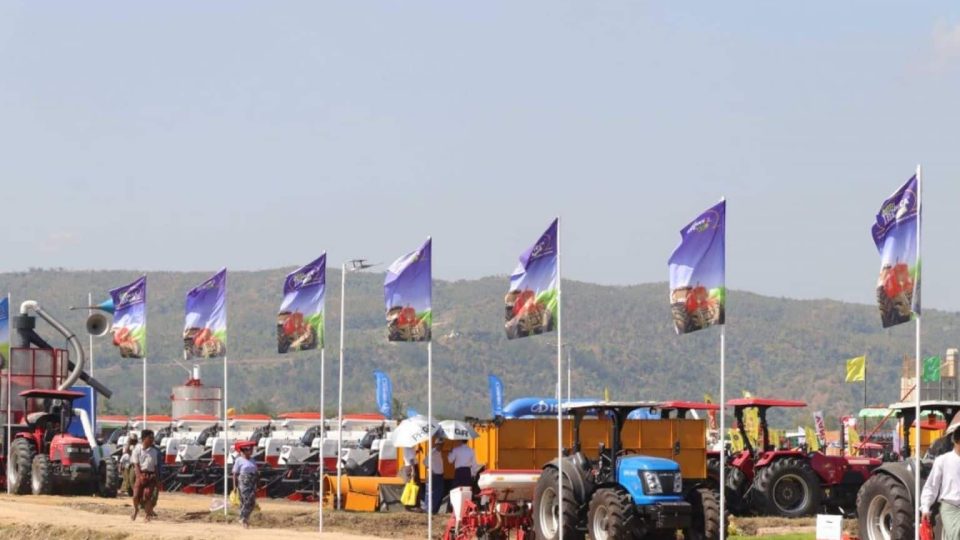
From 24-26 August, Agritechnica Asia Live 2022 will be held in Can Tho City, Vietnam. At Agritechnica Live, machinery will be demonstrated in the field. Concurrently there’s an exhibition with a seminar programme. The previous edition was held in Myanmar, which attracted visitors from across South E...

“I wanted to disrupt the industry”

Craig Rupp is a self-made man. The founder and owner of US based Sabanto, has a clear vision on automation in agriculture. “I wanted to disrupt the industry,” he says. And so, he did. Craig developed the Steward retrofit kit, making tractors operate autonomously. It eases the workload for farmers. B...

“Let the future begin”

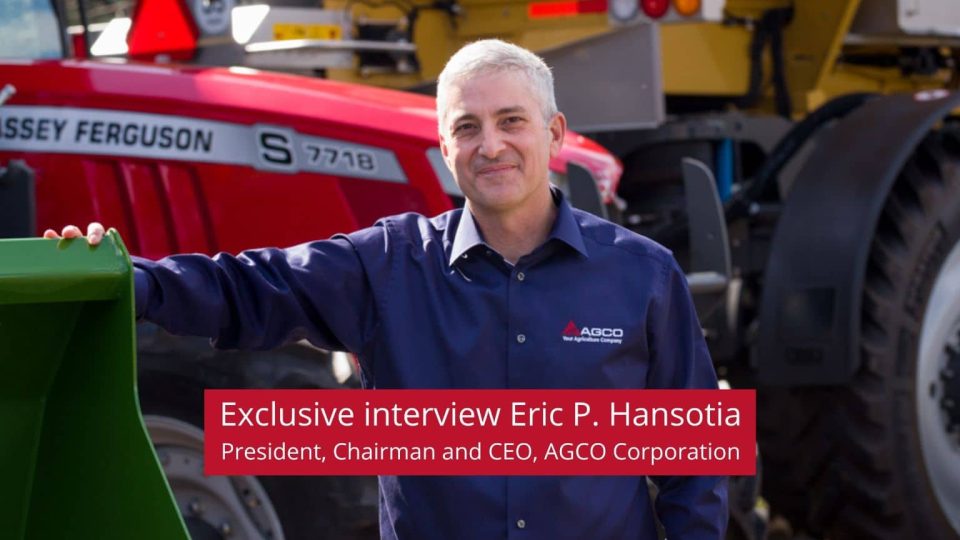
The global ag machinery market is continuously evolving. AGCO aims to be in the forefront of new technology. Serving their own customers, but also mixed fleet operations. With new solutions in precision ag, autonomous vehicles and engines running on clean energy. Always with full focus on the farmer...

“Cotton King” high clearance tractor

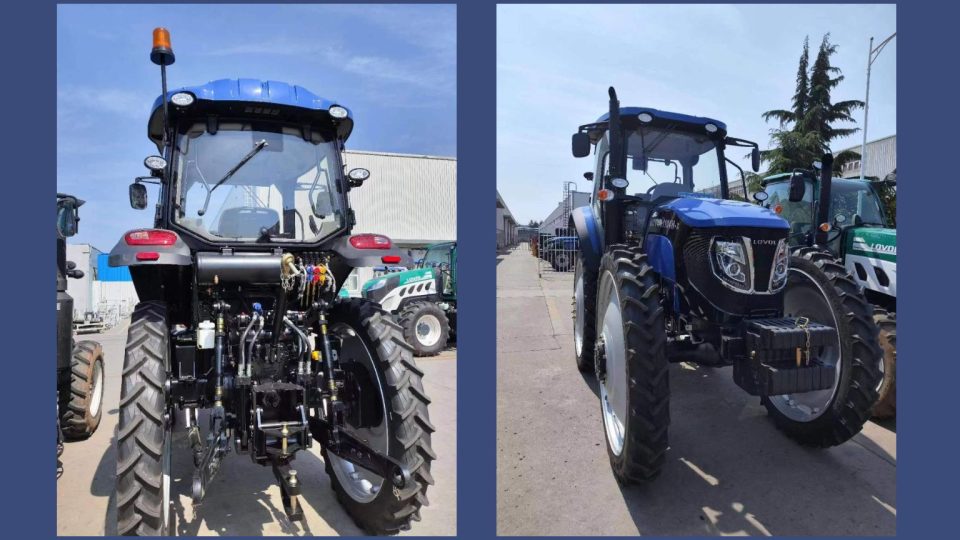
Kazakhstan, Kyrgyzstan, Tajikistan, Uzbekistan and Turkmenistan in Central Asia, are rich in cotton production. In order to meet technological constraints, Lovol launched the high clearance TX1104-H “Cotton King” tractor, specifically designed for cotton production in these countries. Th...

Related articles

MF 7S MARK 2, the future of Massey Ferguson tractors

Massey Ferguson unveils its new mid-to-high horsepower tractor range. Among the contenders for Tractor of the Year 2027, the new line-up comprises six models and introduces a host of significant updates. With EIMA International just around the corner, major announcements from the tractor industry ar...